Your 2026 Garden Schedule: Finding Your Gardening Rhythm
My early gardening rhythm could be summed up in one phrase: run out when I can.
I was a new mom with a preemie, and my days didn’t have neat edges. They had naps that didn’t last, feedings that blurred together, and that constant feeling of being needed every second. My husband built me a keyhole garden to help me through postpartum—something close to the house, something manageable, something that could hold beauty and nourishment when everything else felt like survival. I loved that garden. I needed that garden.
But I didn’t understand the rhythm.
I’d sprint outside in tiny bursts. I’d bring the baby out to crawl around while I tried to water with one hand and pull weeds with the other. Sometimes the garden happened in the margins—an afterthought weekend moment, a quick glance on the way to the car, a guilty “I should really…” that lived in the back of my mind.
And because I was always rushing, the garden felt like it was always asking for more.
What changed everything wasn’t a better to-do list. It was learning the rhythm of the garden itself—the way plants grow, the way they pause, the way they flower and fruit on their own timeline. I realized I didn’t need to be in the garden constantly. I needed to be intentional with my timing.
Once I made a few small shifts, something surprising happened: I watered less, worked less, and played with my son more… while getting more production.
That’s what I want for you in 2026.
Not a rigid schedule. Not a comparison game. A rhythm.
Your Garden Schedule Isn’t a Contest
Some gardeners can get everything done in an hour. They pop outside, knock out a list, and come back in looking like they just filmed a perfect “garden reset” video.
Other gardeners take the whole season to get things dialed in. They start seeds late. They forget where they planted the carrots. They do a big burst of work, then disappear for two weeks because life happens.
Both are normal.
Your gardening pace is shaped by your life: your work schedule, your health, your family, your energy, your experience, your climate, your space, and honestly—your personality. Some people love a tight routine. Others thrive with flexibility. Some people want a big spring weekend project. Others need five-minute micro-sessions.
So here’s your permission slip: stop comparing your garden schedule to anyone else’s.
Because the goal isn’t to look like a “real gardener.” The goal is to grow food and joy in a way that fits your actual life.
The Secret to a Successful Schedule: Follow the Season’s Rhythm

A garden schedule works best when it’s built around the garden’s natural timing—not just your motivation.
Every season has its own rhythm:
● Late winter is quiet, but it’s not empty. It’s planning, dreaming, ordering seeds, and setting up systems.
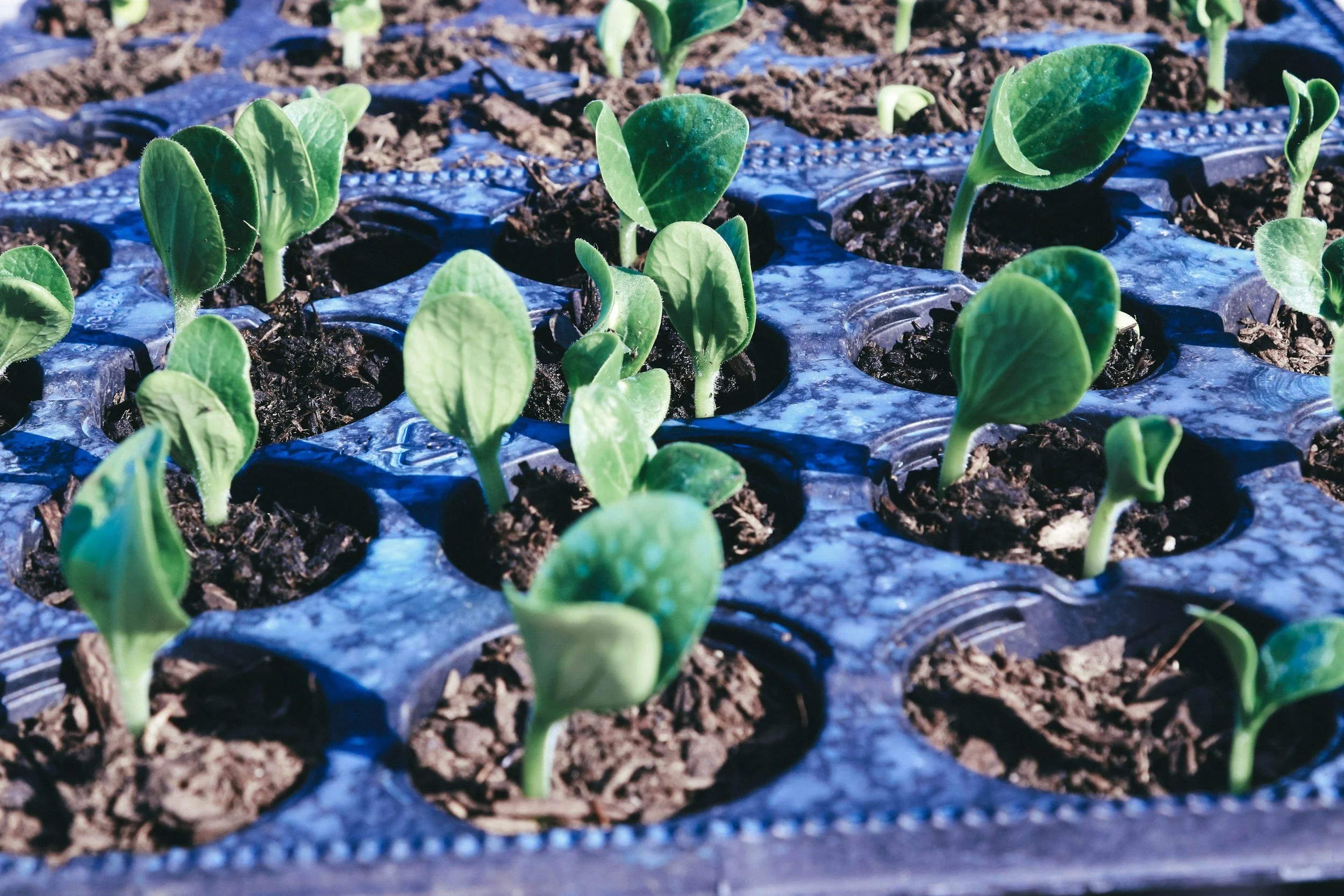
● Spring is momentum. It’s seed starting, bed prep, and the first wave of planting.
● Early summer is maintenance and training—watering, mulching, trellising, staying ahead of pests.
● High summer is harvest plus fatigue. It’s also the moment many gardens stall because the next planting wasn’t planned.
● Fall is the second chance season—cool crops, refreshed beds, and a slower, steadier pace.
● Early winter is reflection, cleanup (as needed), and letting the garden rest.
When you understand that each season asks for something different, you stop trying to force one pace year-round. You don’t need to be in “spring energy” in August.
You don’t need to hustle in winter. You just need to show up in the way the season requires.
Your Rhythm Will Change—Even Week to Week

One of the most freeing things you can learn as a gardener is this: your schedule can be different every day.
Some days you’ll have five minutes.
Five minutes is enough to:
● water one bed deeply
● harvest a handful of greens
● check for pests on one plant
● pull a few weeds before they seed
● notice what’s thriving and what’s struggling
Other days you’ll have an hour, and you’ll do the bigger tasks—refreshing a bed, planting a new round, tying up tomatoes, spreading compost.
The mistake is thinking that if you don’t have a big block of time, you shouldn’t go out at all.
Tiny, consistent touchpoints are how you learn your mini ecosystem. And learning your ecosystem—your sun patterns, your soil moisture, your pest cycles, your wind, your microclimates—is what makes you successful long-term.
The Mini Ecosystem Mindset: Pay Attention, Then Adjust
Every garden is its own little world.
Even if you live in the same region as your neighbor, your garden might warm up faster, hold water differently, or get hit harder by pests. Your beds might be in a wind tunnel. Your yard might have a shady corner that stays damp. Your soil might be sandy, clay-heavy, or somewhere in between.
That’s why a one-size-fits-all schedule can feel frustrating.
Instead of trying to copy someone else’s timeline, build a schedule that includes observation.
Think of your garden rhythm as a loop:
1. Show up (even briefly)
2. Notice (what’s changing?)
3. Respond (what’s the next small action?)
4. Repeat
That loop is more powerful than any perfect calendar.
Because the garden is alive. It changes with weather, temperature swings, rain patterns, and the little surprises that show up every season.
Flexibility isn’t a lack of discipline. It’s a skill.
How to Find Your 2026 Gardening Rhythm (Without Overcomplicating It)
Let’s make this practical.
Start by choosing a “default rhythm” for each season. Not a strict schedule—just a baseline you can return to.
For example:
● Late winter: one planning session per week (20–30 minutes)
● Spring: two short garden check-ins during the week + one longer weekend session
● Summer: quick daily checks (5 minutes) + one deeper maintenance session weekly
● Fall: one planting/refresh session weekly + harvest as needed
Your version might look totally different—and that’s the point.
Then, match your tasks to the rhythm.
If you only have five minutes, you’re not going to “do everything.” You’re going to do the one thing that keeps the garden moving.
A helpful question is: What’s the one action that prevents a bigger problem later?
● water deeply before a heat wave
● harvest before something bolts
● tie up a plant before it snaps
● sow the next round before the bed goes empty
This is how you build momentum without burnout.
Intentional Timing: Work Less, Grow More
When I shifted from “run out when I can” to “show up with intention,” I stopped fighting the garden.
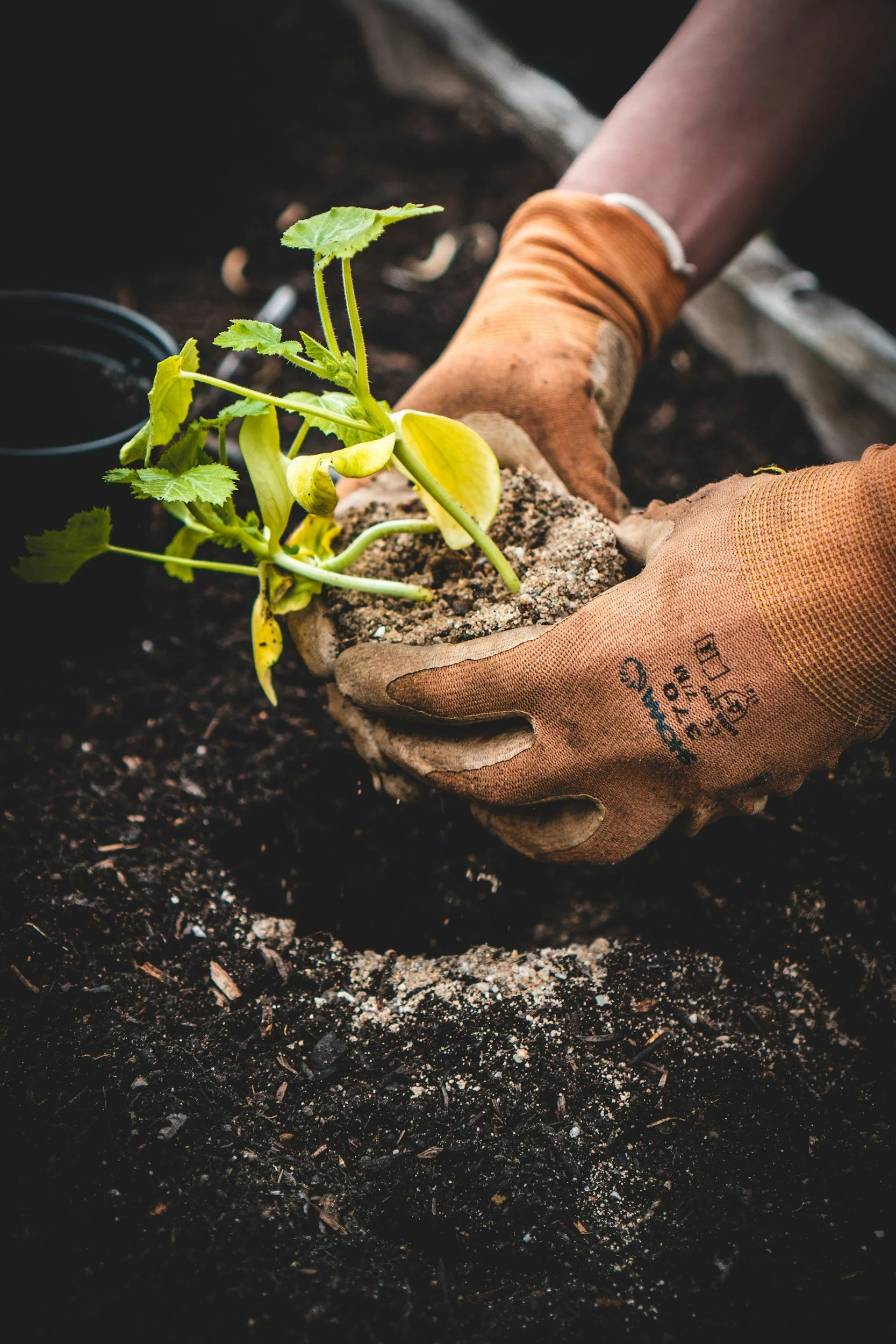
I started watering based on what the soil actually needed, not panic. I mulched earlier so I wasn’t constantly chasing moisture. I planted with the season instead of against it.
And because I wasn’t constantly putting out fires, I had more space for what mattered.
More time with my son.
More calm.
More enjoyment.
That’s the quiet magic of rhythm: it makes the work lighter
Your 2026 Garden Schedule Can Be Simple
If you want a structure for 2026, here’s a simple way to think about it:
● Daily (or most days): quick check-in (even 2–5 minutes)
● Weekly: one deeper session for planting, maintenance, or bed refresh
● Seasonally: one planning moment to look ahead and set the next phase up
That’s it.
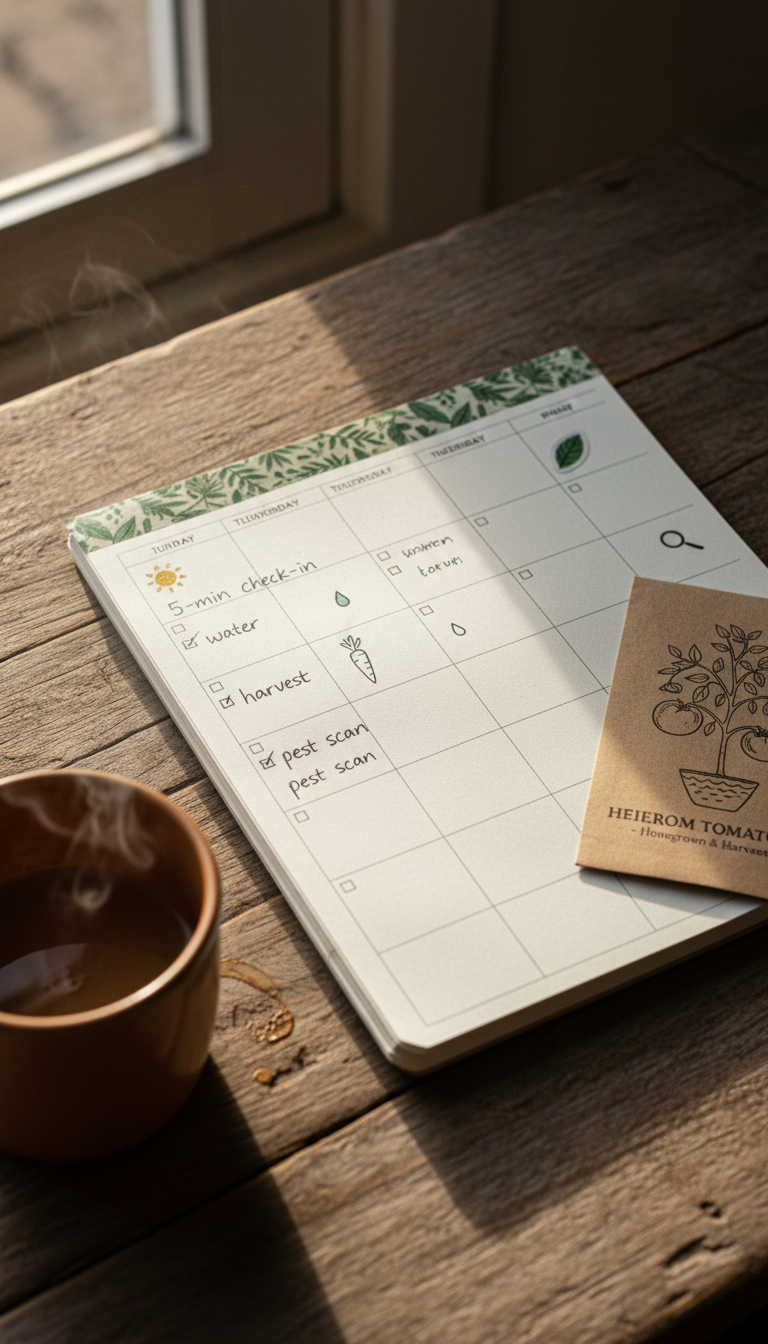
You can put it in a paper planner, a notes app, a calendar app, or a spreadsheet. You can make it pretty with stickers or keep it plain. You can do it on Sundays or Wednesdays or whenever your life allows.
The tool doesn’t matter as much as the habit.
Find What Fits—But Keep the Garden Moving
Your garden rhythm is personal.
It’s shaped by your season, your space, and your life. It might be fast and efficient, or it might be slow and steady. It might be five minutes today and an hour tomorrow. It might change completely when the weather shifts or when your schedule does.
But if you want a garden that continually grows—one that keeps producing instead of stalling—you need some form of organization.
Not perfection. Not comparison. Just a way to stay connected to what’s next.
So in 2026, give yourself permission to garden at your pace.
Learn your mini ecosystem. Let the season lead. Show up in small, consistent ways.
And watch how much easier it becomes to harvest more while working less.