Building a Better Ecosystem in Your Raised Bed Garden
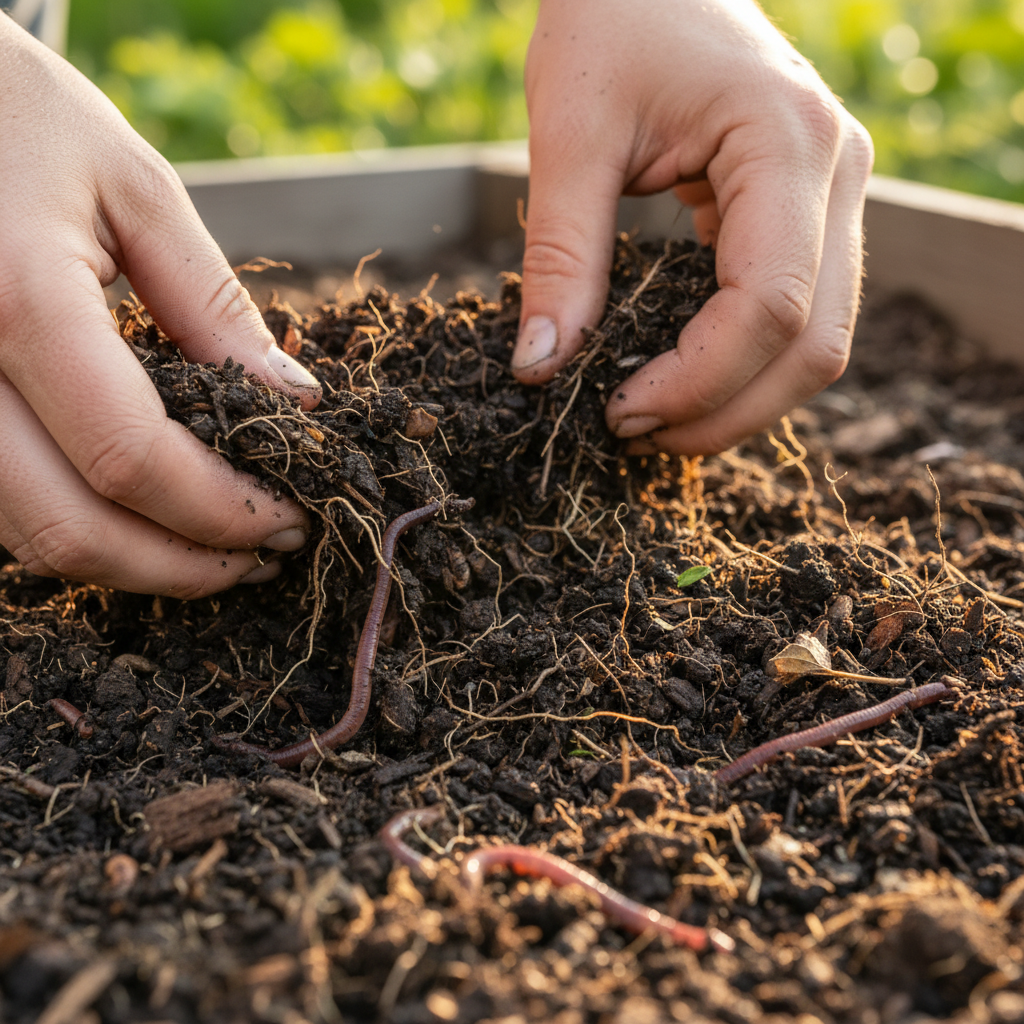
Before I ever called myself a garden coach, I was an archaeologist. And if you know anything about archaeology, you know this truth: we destroy soil for a living. We scrape, dig, sift, and peel back layers to understand what came before us. Soil, in that world, is something to get through so you can reach the story underneath. Ironically, that experience is exactly what made me fall in love with soil later on. Because once you understand how soil forms, how long it takes, and how much life exists in just one handful, you can’t help but want to protect it. Now, every chance I get in my raised bed garden, I’m doing the opposite of my former career—I’m building soil back up, layer by layer, life by life.
Creating a healthy raised bed garden isn’t about chasing perfect plants or eliminating every pest. It’s about building a thriving ecosystem. When you focus on nutrient-rich soil, protecting that soil, and maximizing plant diversity, you create a living microbiome that does the hard work for you. And when your soil ecosystem is healthy, your plants follow.
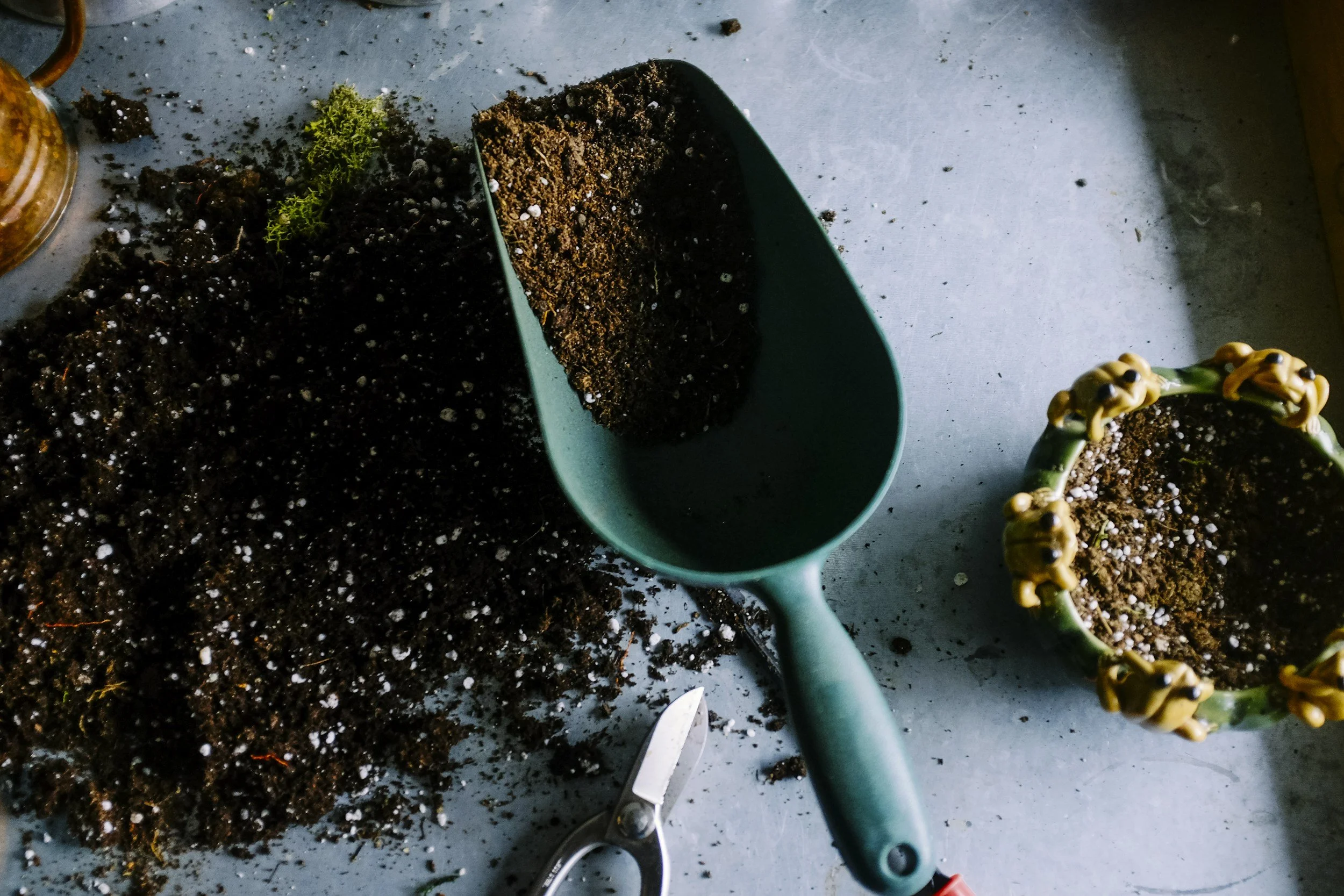
Build Nutrient-Rich, Organic Soil
The foundation of any healthy garden ecosystem is soil that is alive. Not just dirt, but soil filled with bacteria, fungi, protozoa, nematodes, and earthworms—all working together in a complex underground economy. This soil microbiome is responsible for breaking down organic matter, unlocking nutrients, and delivering them directly to plant roots in forms they can actually use.
In raised beds, we have a huge advantage: we get to build our soil instead of trying to fix years of compaction and depletion. Nutrient-rich soil starts with organic matter. Compost is your best friend here. Finished compost feeds soil microbes, improves structure, and increases water retention. Every season, topping off your beds with compost replenishes what your vegetables used up during the last growing cycle.
But compost isn’t the only tool. Organic amendments like leaf mold, worm castings, and aged manure add diversity to your soil food web. Each material breaks down at a different rate and feeds different organisms. This diversity is key. The more varied your soil inputs, the more resilient your soil becomes.
Healthy soil isn’t built overnight. It’s built slowly, intentionally, and consistently. Think of it as long-term investment gardening—the dividends show up in stronger plants, fewer diseases, and better harvests year after year.
Protect Soil and Conserve Moisture
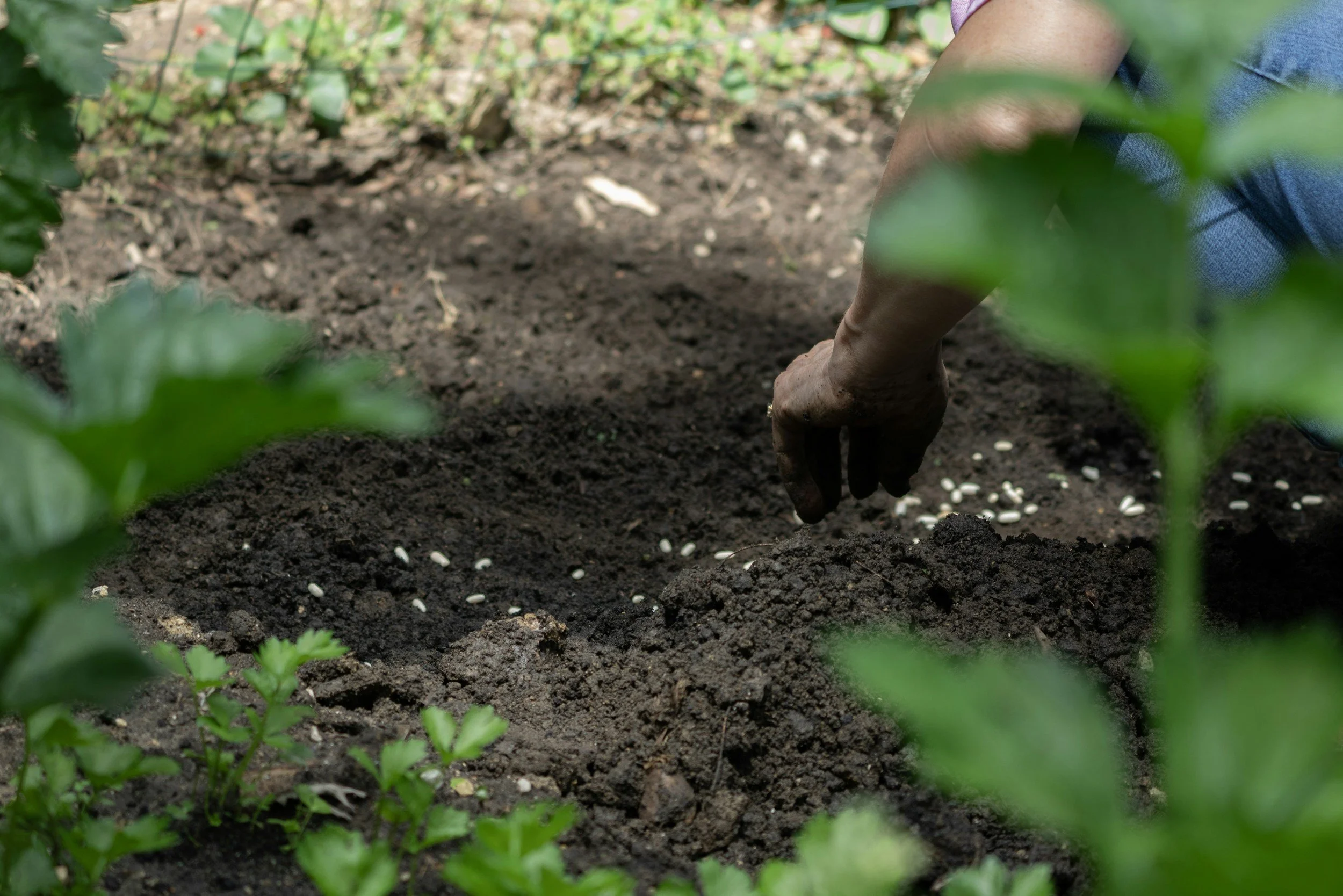
Once you’ve built great soil, the next step is protecting it. Bare soil is vulnerable soil. Sun, wind, and heavy rain all strip away moisture and organic matter, disrupting the delicate balance of the soil microbiome.
Mulch is one of the simplest and most effective ways to protect soil in raised beds. A layer of straw, shredded leaves, or wood chips keeps soil temperatures stable, reduces evaporation, and provides habitat for beneficial organisms. As mulch breaks down, it becomes food for microbes, which then feed your plants.
Living mulch—plants that cover the soil—is another powerful tool. Low-growing crops like lettuce, spinach, or herbs shade the soil naturally, keeping roots cool and moist. When soil stays consistently moist, microbial life thrives. Fungi form networks that transport nutrients. Bacteria multiply and convert organic matter into plant-available forms. Moisture is the medium that allows this underground communication to happen.
Protecting soil also means minimizing disturbance. Excessive digging breaks fungal networks and exposes microbes to harsh conditions. In raised beds, gentle planting and minimal soil disruption preserve the ecosystem you’ve worked so hard to build.
Maximize Plant Diversity for Health and Resilience
Nature doesn’t grow in neat rows of one plant at a time, and neither should we—especially if we want a healthy garden ecosystem. Plant diversity above ground directly impacts diversity below ground. Different plants release different root exudates, which feed different microbes. The more plant diversity you have, the more complex and resilient your soil microbiome becomes.
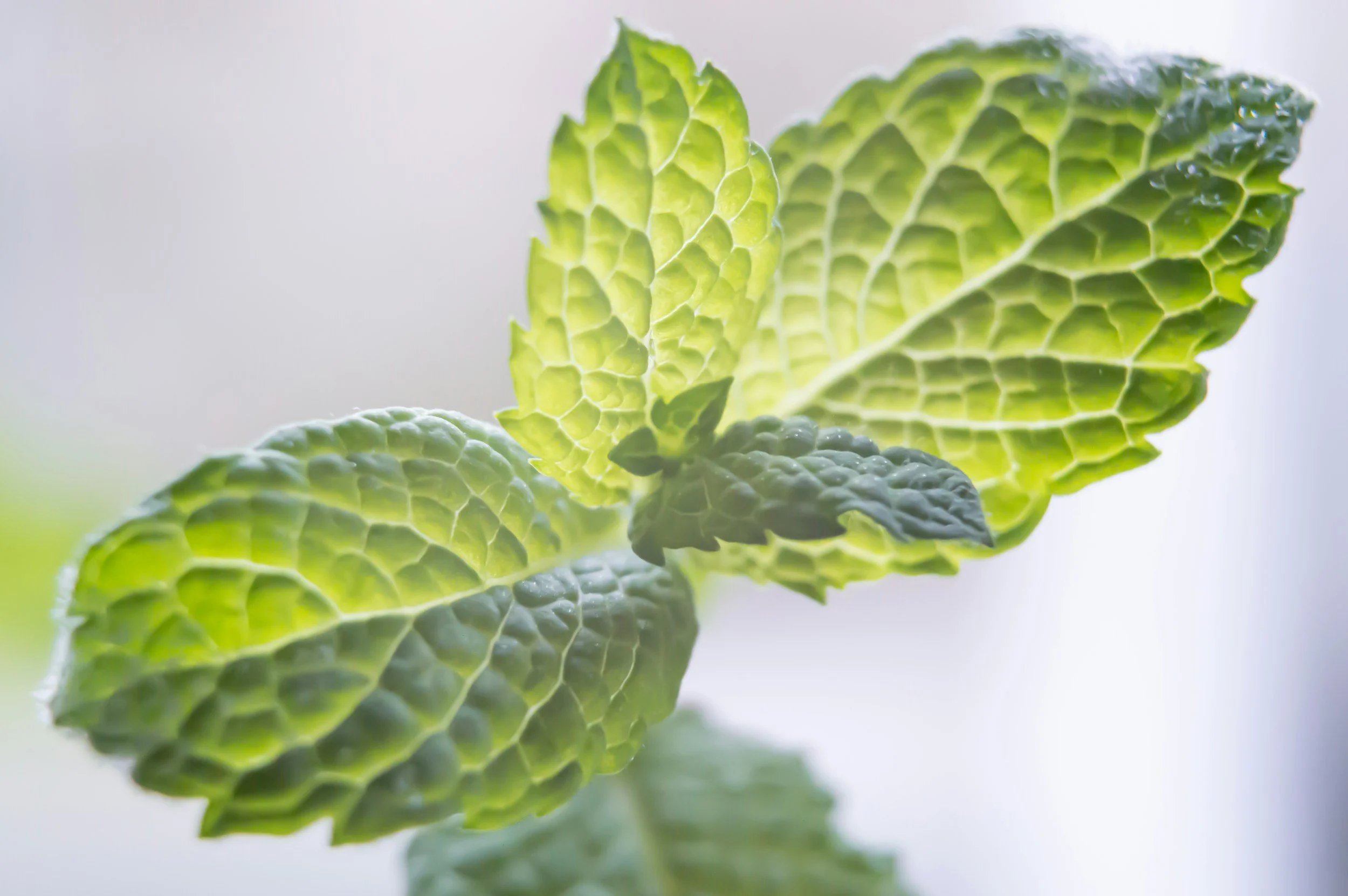
Vegetable gardens often focus heavily on food crops, but adding herbs and flowers dramatically improves ecosystem health. Herbs like basil, parsley, rosemary, and dill attract beneficial insects and release aromatic compounds that confuse pests. Flowers like calendula, nasturtiums, and marigolds provide nectar for pollinators and predatory insects while also supporting soil health.
This diversity creates balance. Instead of pests taking over, predators move in. Instead of nutrient depletion, soil organisms cycle nutrients efficiently. Your garden becomes a system that supports itself rather than something you constantly have to fix.
Companion Planting: Cooperation in Action
Companion planting is one of the most accessible ways to build a better ecosystem in raised beds. At its core, companion planting is about placing plants together that benefit one another—either through pest deterrence, nutrient sharing, or growth support.
For example, tomatoes paired with basil and parsley benefit from improved pest resistance and increased pollinator activity. Cabbage grown near rosemary or dill experiences fewer moth issues. Beans planted near corn or squash contribute nitrogen to the soil, feeding heavy-feeding neighbors. These relationships aren’t folklore—they’re rooted in chemistry, biology, and ecology.
Plants communicate through chemical signals, both above and below ground. Some repel pests with scent, others attract beneficial insects, and some even alter the soil environment in ways that support neighboring plants. When you design your raised beds with these relationships in mind, you reduce the need for fertilizers and pest control while increasing overall garden health.
Vegetables That Build a Diverse Environment
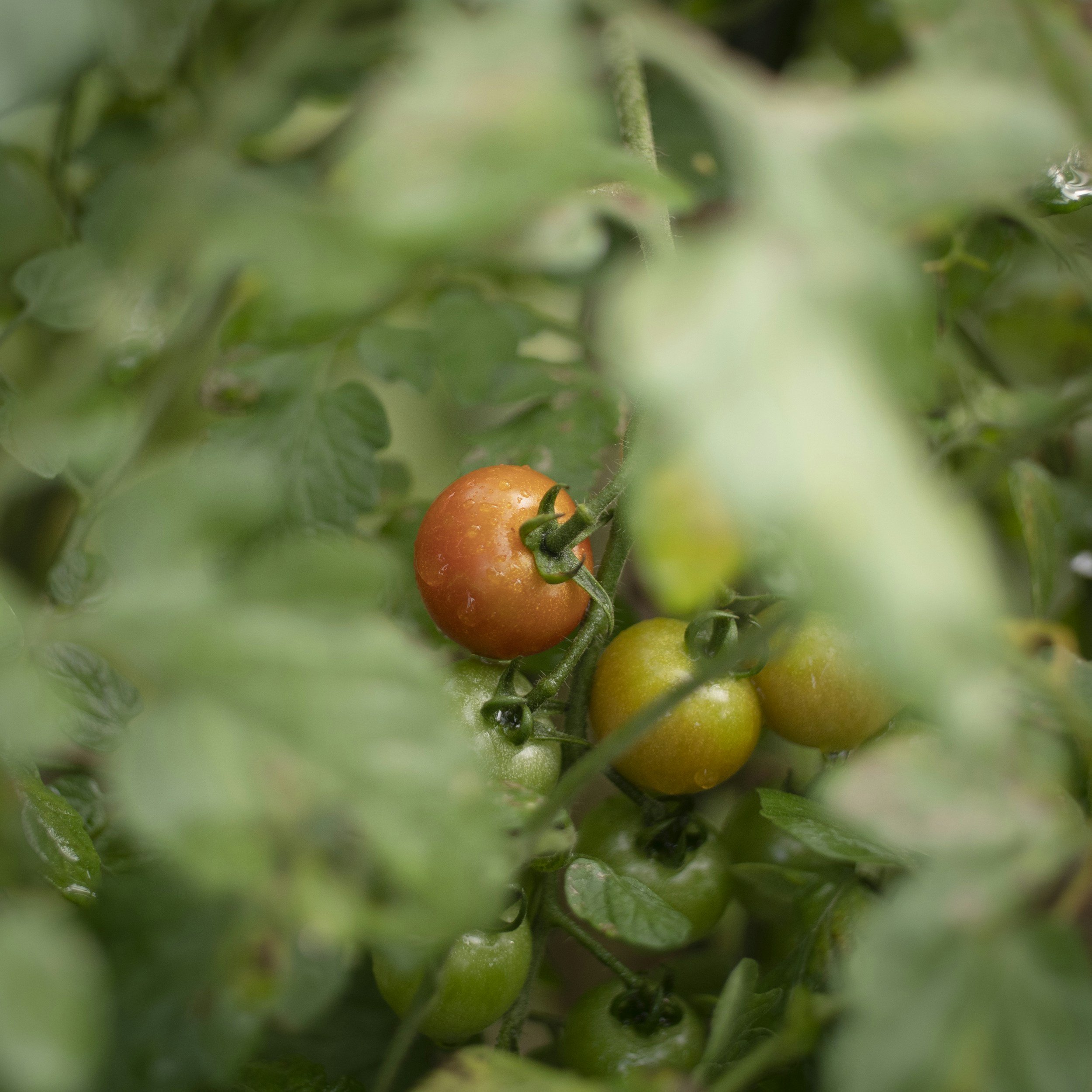
Even when your primary goal is food production, you can choose vegetables that contribute to ecosystem health. Legumes like peas and beans improve soil fertility by working with nitrogen-fixing bacteria. Leafy greens provide quick ground cover, protecting soil and supporting moisture retention. Deep-rooted crops like carrots and daikon radish break up soil and create pathways for water and air.
When combined with herbs and flowers, these vegetables form layered systems that mirror natural ecosystems. Roots occupy different soil depths, foliage shades the ground, and flowers invite beneficial insects. Every layer plays a role.
Conclusion: Soil First—The Real Foundation of a Healthy Garden
After years of digging through soil as an archaeologist, I now see soil as something sacred. It’s not just a growing medium—it’s a living system that supports everything above it. When you prioritize soil health, protect it, and plant with diversity in mind, you create a garden ecosystem that is resilient, productive, and deeply satisfying to care for.
Building a better ecosystem in your raised bed garden doesn’t require complicated science or expensive products. It starts with organic matter, thoughtful planting, and respect for the life beneath your feet. Soil first—that’s where real garden success begins.