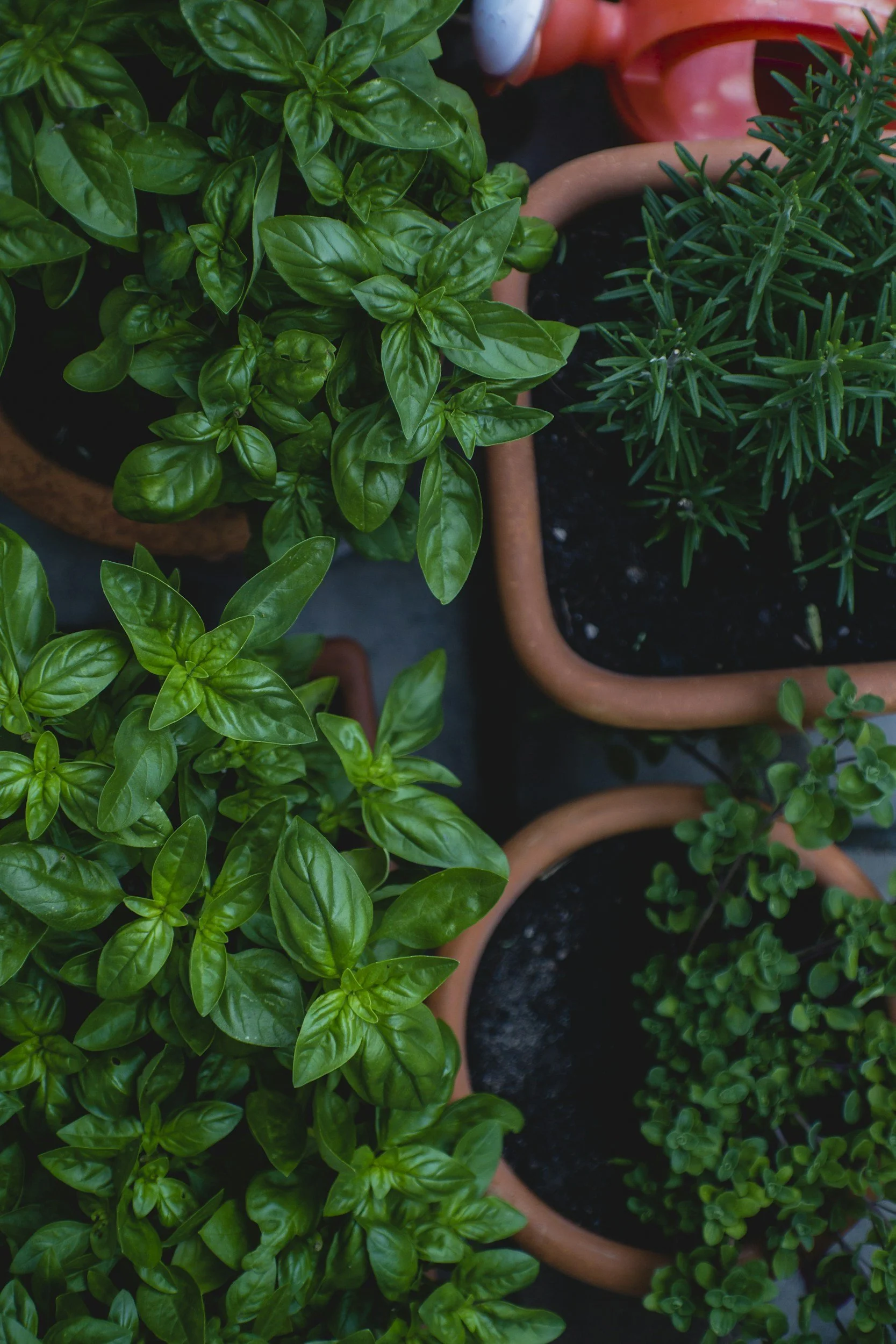
The Herb-First Garden: Why Every Veggie Garden Should Start with Herbs
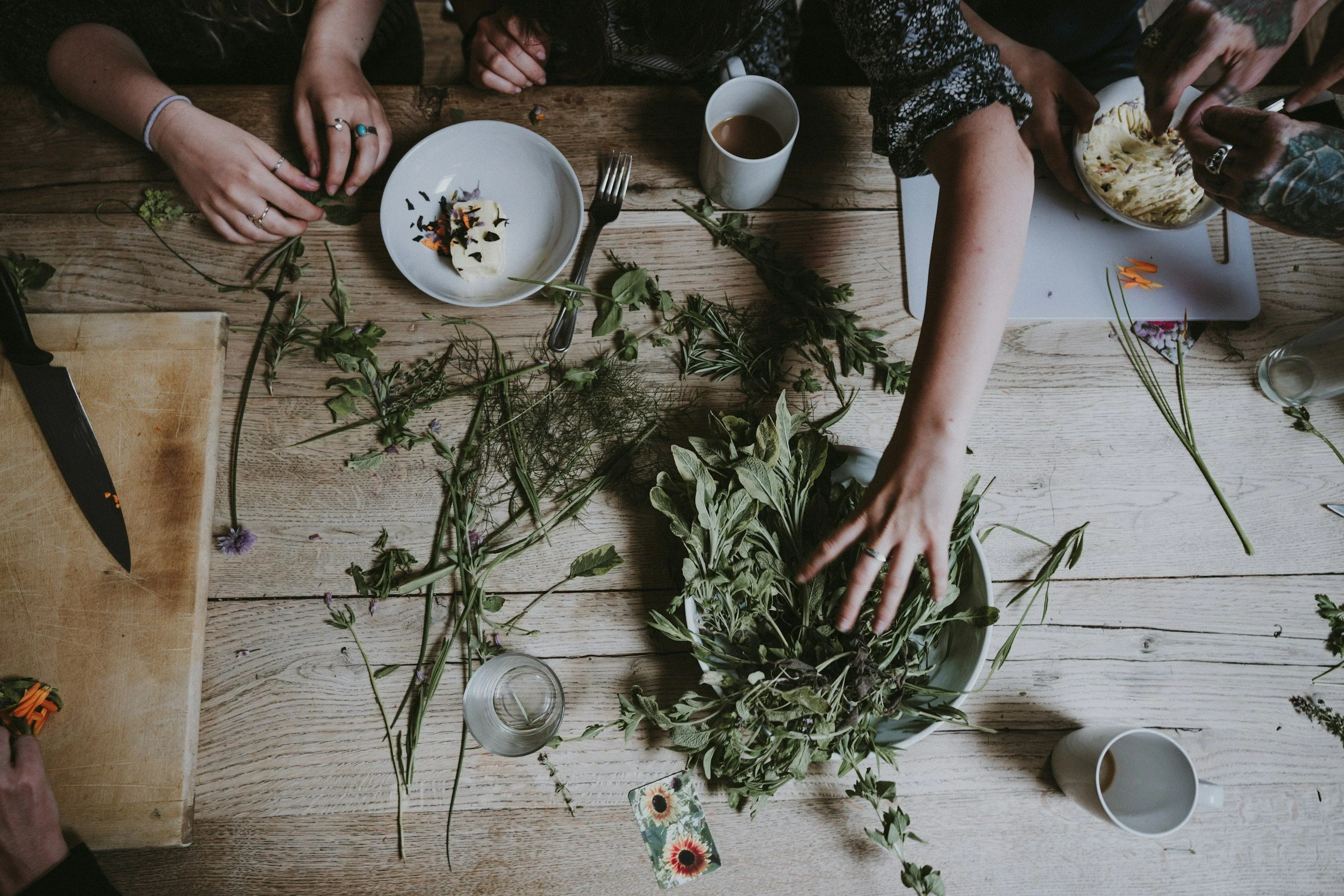
When I was growing up, my mother grew all the herbs. Not just a basil plant on the windowsill — I mean all of them. Rosemary, thyme, sage, mint, chamomile, lemon balm, oregano… her garden felt like something out of an old-world apothecary. At the time, I didn’t appreciate it. I thought herbs were just “extra plants” and honestly, I cared way more about tomatoes and strawberries.
Now? I can’t believe there was ever a time I didn’t grow herbs.
Somewhere between becoming a garden coach and realizing how much healthier and easier my garden became once herbs were woven in, I had a full-circle moment. Herbs aren’t the extras. They are the foundation. And if I were starting a garden from scratch today, I wouldn’t start with tomatoes or peppers — I’d start with herbs.
Welcome to the Herb-First Garden.
Why an Herb-First Garden Works So Well
An herb-first garden is exactly what it sounds like: a garden design philosophy where herbs aren’t tucked into leftover corners, but intentionally layered throughout your vegetable beds from the very beginning.
Herbs are incredibly versatile. Yes, they are amazing in the kitchen, but they also serve powerful roles in pest control, soil health, and overall garden resilience. When you grow herbs alongside your vegetables, you create a system that is more balanced, more productive, and honestly — way more enjoyable to spend time in.
Herbs act like the connective tissue of the garden. They fill gaps, attract beneficial insects, repel pests, and create living mulch that protects the soil. They bring scent, texture, and movement into your beds. And unlike many vegetables, they are forgiving. You don’t need perfect timing or advanced skills to grow them well.
That’s why I love recommending herbs to beginner gardeners. They build confidence fast.
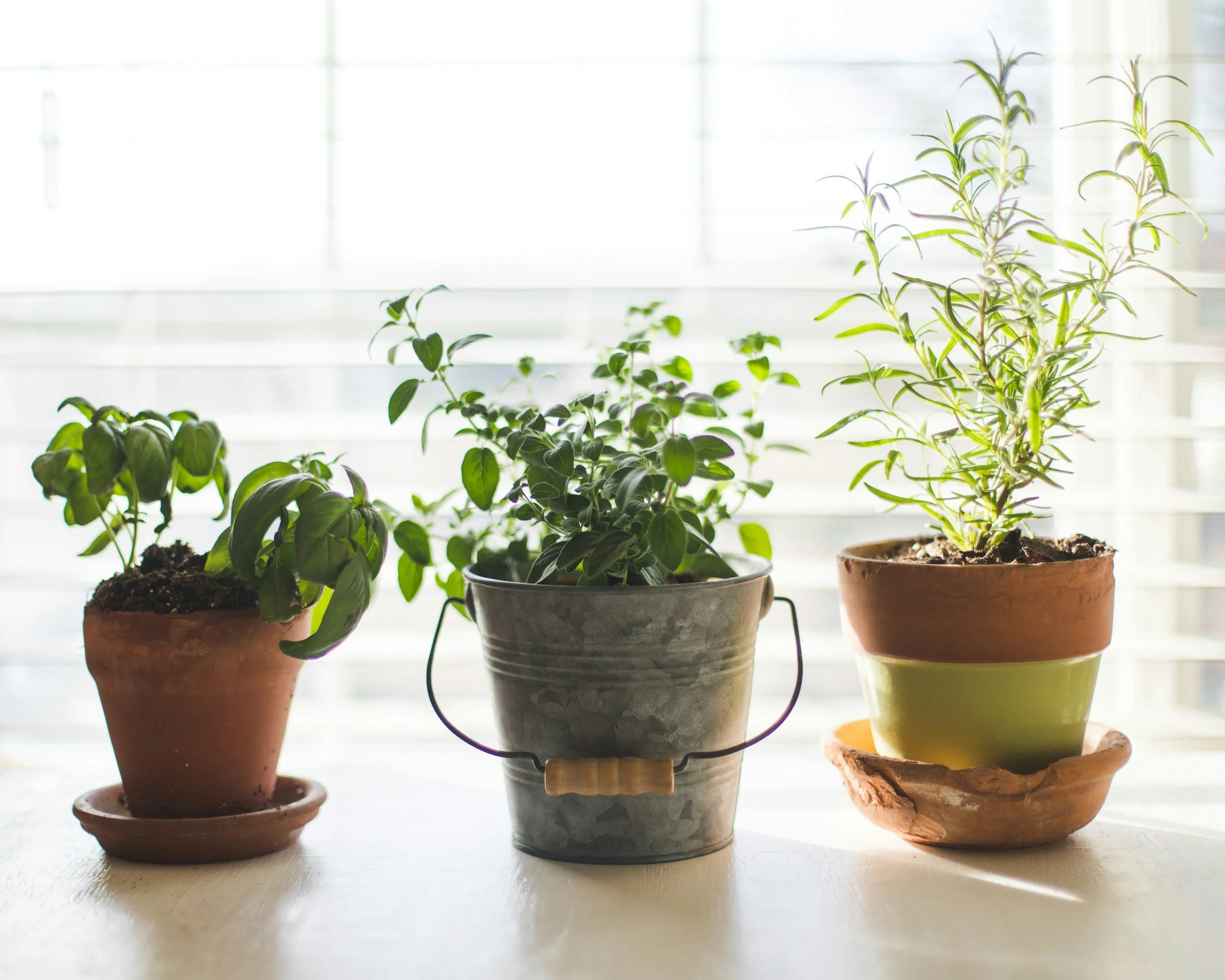
The Culinary Obvious (But Still Important)
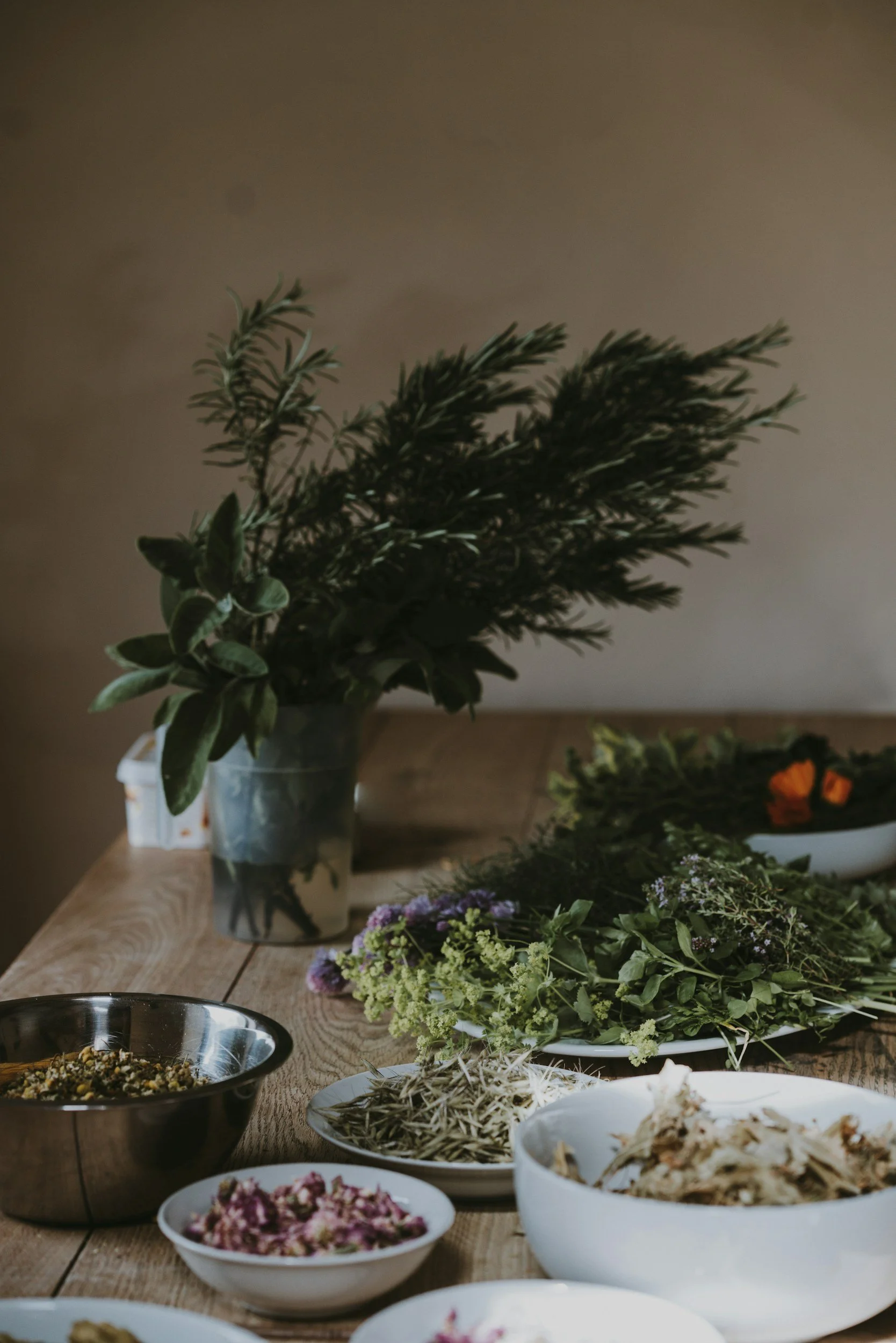
Let’s start with the obvious: herbs make your food better.
Fresh herbs transform simple meals into something that feels intentional and nourishing. Basil turns tomatoes into dinner. Rosemary makes potatoes taste like a restaurant dish. Parsley brightens everything. Thyme makes soup feel like comfort. When herbs are growing outside your door, you use them more. You experiment more. You cook more simply and more seasonally.
There’s also a health benefit here that often gets overlooked. Fresh herbs contain higher levels of essential oils, antioxidants, and vitamins than dried or store-bought versions. Parsley is rich in vitamin C and K. Basil has anti-inflammatory compounds. Rosemary supports digestion and circulation.
An herb-first garden isn’t just about growing food — it’s about growing better food.
Herbs as Natural Pest Control
This is where herbs quietly become garden superheroes.
Most herbs are highly aromatic, which is exactly what makes them so powerful in pest management. Strong scents confuse pests that rely on smell to locate their host plants. When herbs are mixed throughout your veggie beds, they disrupt the chemical “signals” that insects use to find crops like tomatoes, cabbage, and peppers.
For example:
● Basil helps repel tomato hornworms and whiteflies.
● Rosemary discourages cabbage moths and bean beetles.
● Thyme deters cabbage worms.
● Chives help repel aphids and carrot flies.
● Dill and fennel attract ladybugs and lacewings that eat pests for you.
Instead of fighting insects, you’re redesigning the environment so pests never fully take hold in the first place. That’s real ecosystem gardening
Herbs and Healthy Soil
One of the most underrated roles of herbs is what they do below the surface.
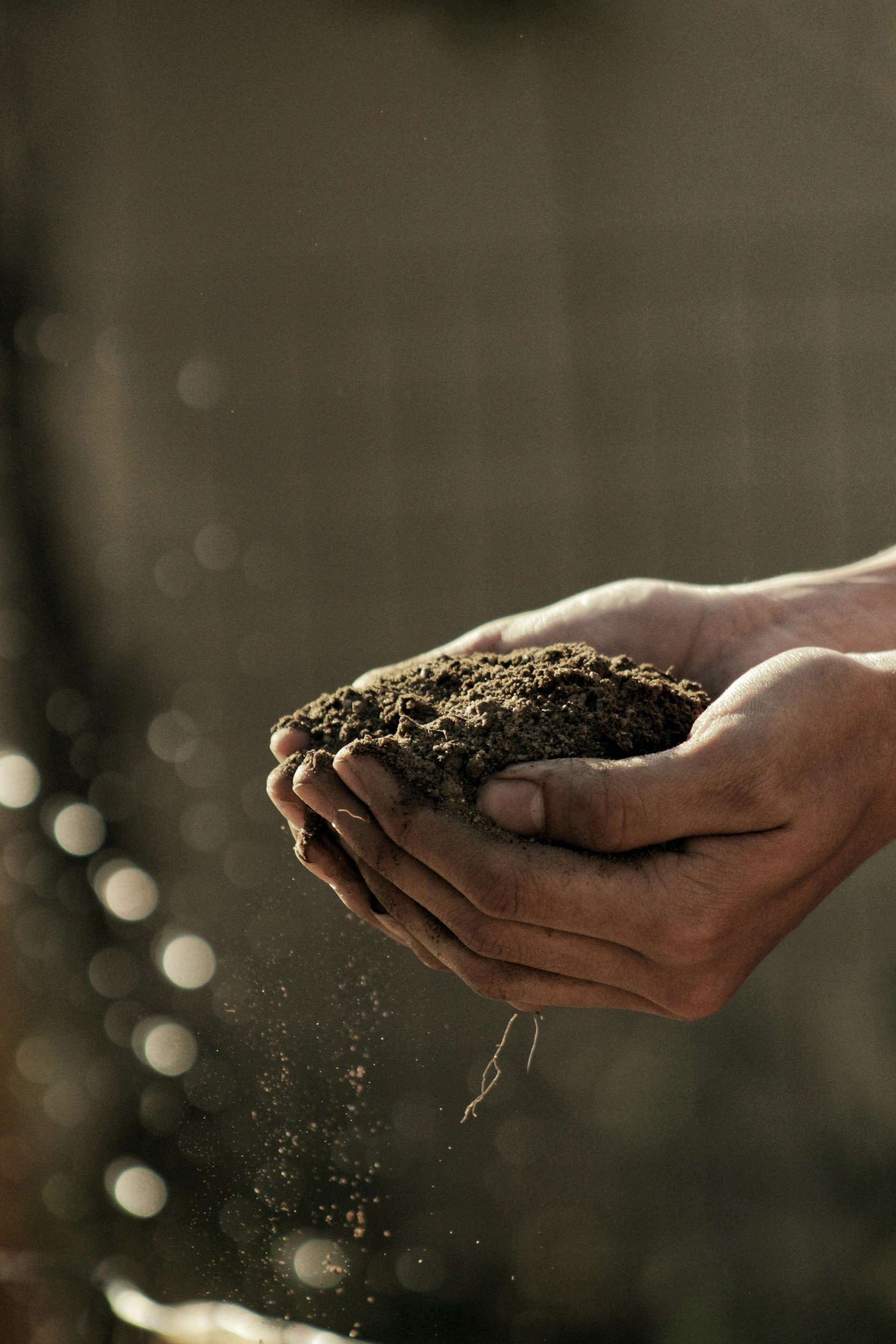
Herbs tend to have fibrous, spreading root systems that help stabilize soil and prevent erosion. Many act as living mulch, shading the soil and keeping it cooler and more moist. This protects microbial life — the bacteria and fungi that make nutrients available to your plants.
Some herbs, like dill and parsley, also attract beneficial insects that contribute organic matter through droppings and decomposition. Over time, herbs help build soil structure, improve drainage, and support a healthier soil microbiome.
In other words: herbs don’t just grow in healthy soil — they help create it.
Why Herbs Are So Easy to Grow
One of my favorite things about herbs is how forgiving they are.
Most herbs:
● Germinate easily.
● Tolerate imperfect watering.
● Don’t need heavy fertilizing.
● Recover quickly from mistakes.
● Actually grow better when harvested regularly.
You can grow herbs from seed or transplants. You can grow them in raised beds, containers, window boxes, or tucked between vegetables. You don’t need special tools or complicated schedules. Herbs meet you where you are.
And the best part? Harvesting herbs makes them stronger. The more you cut, the more they grow. It’s the only type of gardening where “taking” is actually good for the plant.
Simple Pruning Tips for Thriving Herbs
Pruning is the secret to a long, productive herb season.
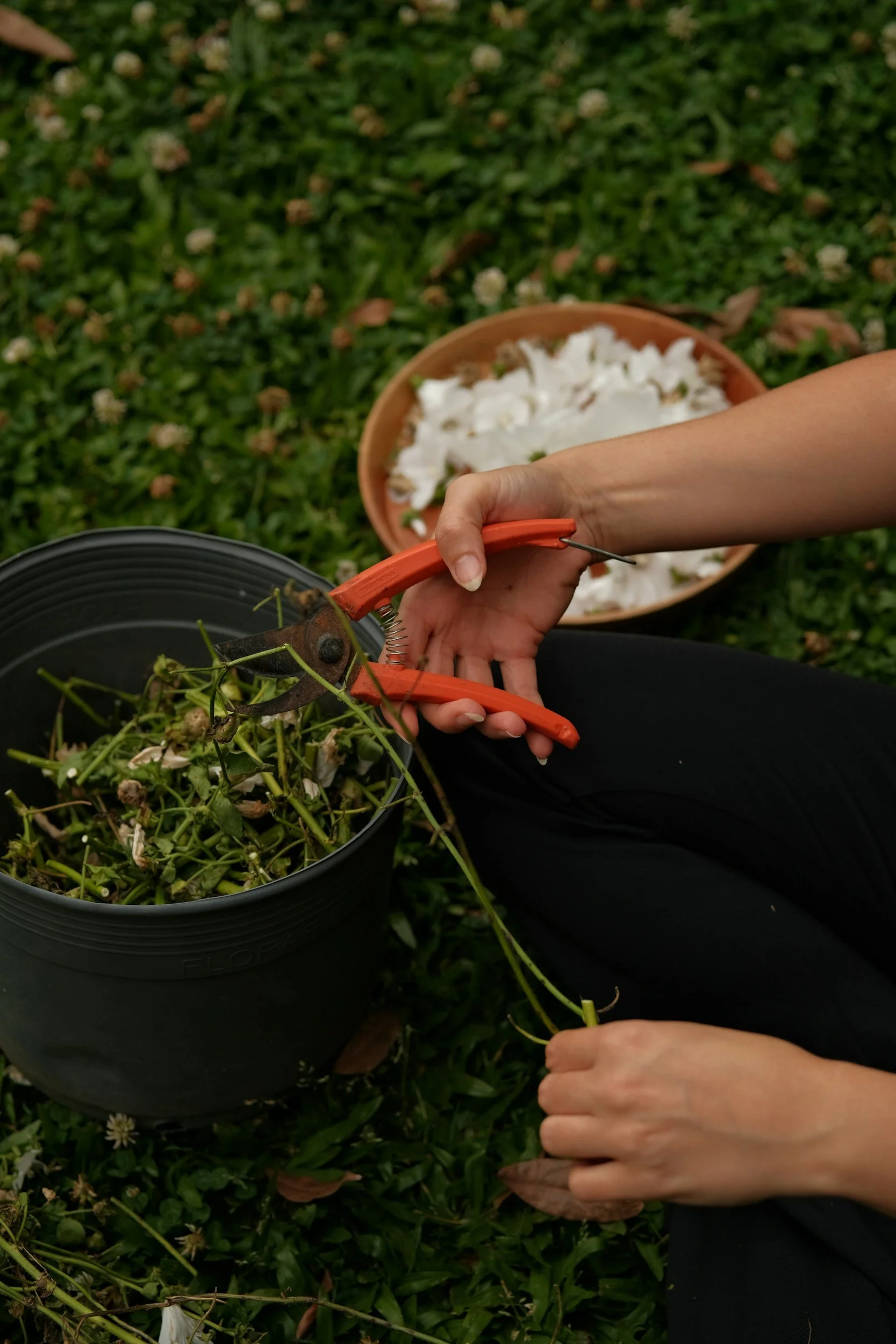
For soft-stem annual herbs like basil, cilantro, and parsley, the rule is simple: never take more than one-third of the plant at a time, and always cut just above a leaf node. This encourages branching and keeps the plant bushy instead of tall and leggy.
For woody perennials like rosemary, thyme, and sage, prune lightly and often. Focus on trimming the soft green growth, not the woody base. Regular pruning prevents flowering (which can make leaves bitter) and keeps plants compact and healthy.
Think of pruning herbs as shaping energy. You’re guiding the plant to stay productive instead of rushing toward the end of its life cycle.
Top 5 Herbs Every Veggie Garden Should Have
If I had to narrow it down to five essential herbs for a vegetable garden, these would be my non-negotiables:
Basil – The ultimate companion to tomatoes and peppers. Fast-growing, highly productive, and a powerful pest deterrent.
Parsley – A pollinator magnet that improves garden diversity and supports beneficial insects.
Rosemary – A strong aromatic shield against pests and a beautiful structural plant in raised beds.
Thyme – Low-growing, perfect as living mulch, and excellent for cabbage family protection.
Chives – Repel aphids, improve tomato growth, and bring early spring flowers for pollinators.
Together, these herbs cover culinary use, pest control, soil protection, and ecosystem support.
Why I’ll Always Start with Herbs
When I look back at my mother’s garden now, I realize she wasn’t just growing herbs — she was growing a way of life. She was teaching me, without ever saying it out loud, that gardens don’t have to be complicated to be powerful. That the smallest plants can have the biggest impact. That tending something daily, gently, and with intention changes both the garden and the gardener.
These days, when I step into my own raised beds and brush past rosemary or pinch basil for dinner, I feel that same quiet magic. Herbs make my garden feel alive. They soften the space.
They bring in bees and butterflies. They make the soil richer, the vegetables healthier, and the whole experience more enjoyable.
If you’re feeling overwhelmed by gardening, start with herbs. Truly. Plant a few. Harvest them often. Let them weave themselves into your beds and into your routines. You don’t need a perfect plan or a big space or years of experience — you just need a place to begin.
For me, herbs are always the beginning. And somehow, they always bring everything else into balance.