The First Planting of the Season: How to Start Your Garden the Right Way
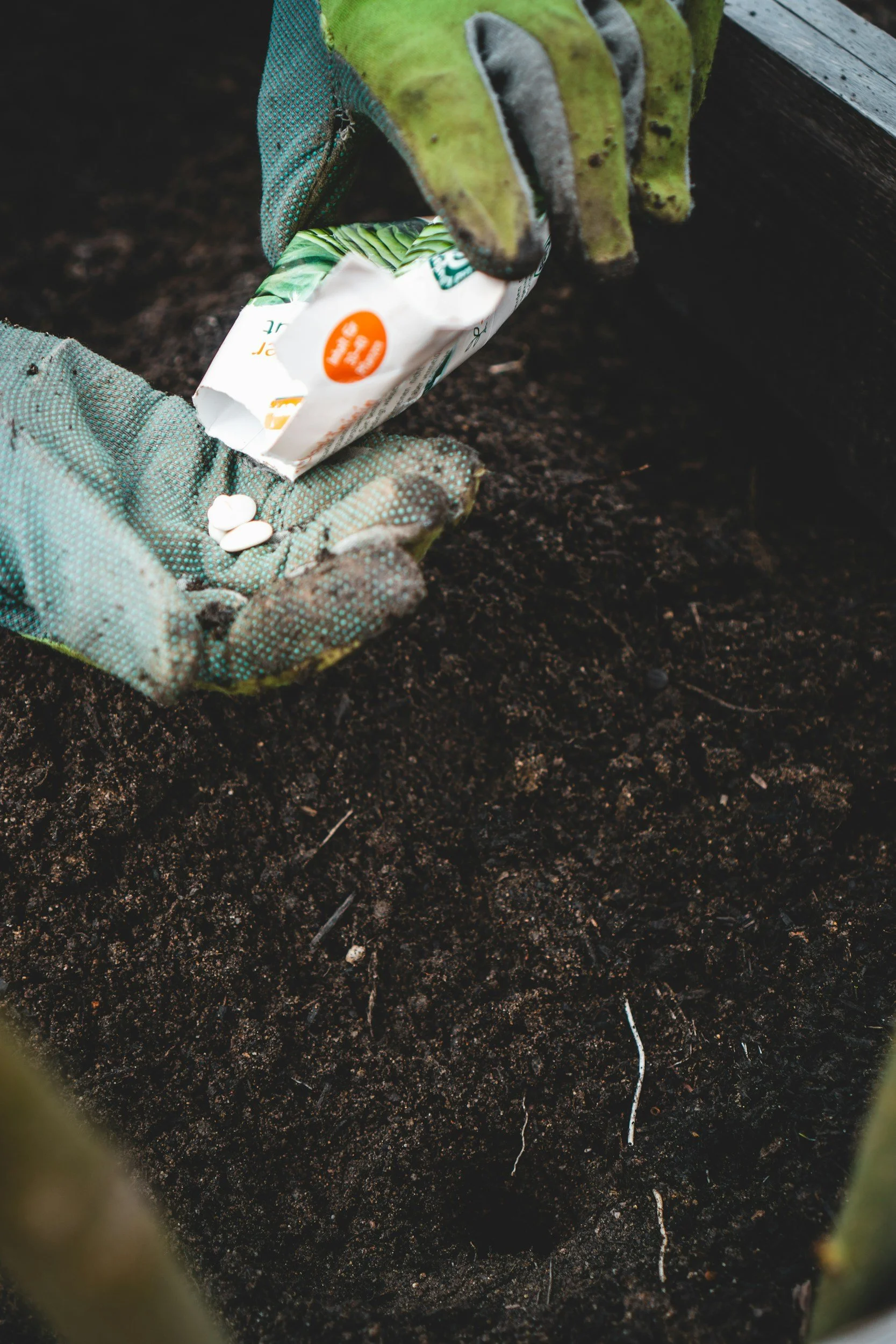
For years, I thought starting the garden season meant one thing: getting plants in the ground as fast as possible. I watched the weather like a hawk, hovered over seed catalogs in January, and felt an almost physical urgency to do something the moment the sun felt even slightly warmer. But once I truly learned how to start the season well—how to read the soil, the temperatures, and the plants themselves—my entire gardening game changed. I stopped rushing. I started listening. And suddenly, my gardens became more productive, more resilient, and a whole lot less stressful.
The first planting of the season isn’t about speed. It’s about timing, observation, and intention. It’s the moment where dreaming about your garden turns into real action, often while frost risks still exist. And when done thoughtfully, it sets the tone for the entire year.
Timing: The "Workable Soil" Rule
One of the most important lessons I teach new gardeners is this: we don’t start the season by looking at the calendar—we start it by touching the soil.
The concept of workable soil is simple but powerful. Soil is workable when it is no longer frozen, no longer saturated, and can be crumbled in your hand rather than forming a sticky mud ball. If you squeeze a handful and it holds its shape like modeling clay, it’s too wet. Working wet soil destroys soil structure, compacts pore spaces, and disrupts microbial life. All of that leads to poor root growth later.
In raised beds, this moment often comes earlier than in-ground gardens because the soil warms and drains faster. That’s one of the huge advantages of growing in raised beds—you get a head start without forcing anything.
This is where patience becomes a gardening skill. The soil tells you when it’s ready. Not the nursery displays. Not your neighbor. Not your excitement. The soil.
What to Plant First: Cool-Season Crops
The first planting of the season is always about cool-season crops. These are plants that thrive in temperatures between roughly 30–65°F and can handle light frost without stress. They actually prefer cool weather and will bolt, wilt, or become bitter if planted too late.
Cool-season crops include leafy greens like lettuce, spinach, arugula, kale, and chard, as well as root crops like carrots, radishes, turnips, and beets. Peas, onions, and brassicas like broccoli and cabbage also fall into this category.
What makes cool-season crops special is that they don’t require warm soil to germinate. In fact, many seeds need cool soil to sprout properly. They grow steadily and slowly, building strong root systems before the heat of summer arrives.
This early planting window is your opportunity to use space that would otherwise sit empty until May. It’s how you stretch your season and dramatically increase your overall harvest.
Direct Sow vs Transplants
One of the biggest points of confusion for new gardeners is understanding the difference between direct sowing and transplanting—and when to use each.
Direct sowing means planting seeds straight into the garden. This works best for crops that dislike root disturbance or germinate easily in cool soil. Carrots, radishes, peas, spinach, arugula, and turnips are all ideal for direct sowing.
Transplants, on the other hand, are young plants that were started indoors or in a greenhouse and then moved into the garden. Crops like broccoli, cabbage, kale, onions, and lettuce often benefit from being transplanted because they get a head start before conditions are ideal outdoors.
The key is knowing that neither method is better—they’re just different tools.
Direct sowing is simple and low effort and really important for the health of some plants. Transplants give you more control over timing and spacing. A healthy early garden usually includes both.

Soil Preparation and Fertility
Before the first seed ever touches the soil, preparation matters.
Winter is a resting period for soil, but it’s also a time of slow decomposition. By early spring, many nutrients have been used, leached, or locked up in organic matter that isn’t fully broken down yet. That’s why the first planting of the season should always include feeding the soil.
In raised beds, this usually means topping off with finished compost. Compost replenishes nutrients, improves structure, and reactivates microbial life. A one- to two-inch layer worked gently into the top few inches of soil is more than enough to reset the system.
This is also the moment to assess texture. If the soil feels dense, add organic matter. If it feels too sandy, compost helps there too. Healthy soil should be dark, crumbly, and smell described only as “earthy.”
Fertility in early spring isn’t about force-feeding plants. It’s about building a living system that will support growth naturally all season long.
Protecting Young Seedlings
Early planting comes with one undeniable truth: frost is still part of the picture.
But frost doesn’t have to stop you—it just means protection becomes part of your gardening toolkit.
Row cover, frost cloth, cold frames, and even simple hoops with breathable fabric can raise temperatures around plants by several degrees. This creates a microclimate that protects tender seedlings while still allowing light and airflow.
Mulch also plays a role. It insulates soil, stabilizes temperature, and reduces moisture loss. Straw, shredded leaves, or compost all work beautifully around young plants.
Protection isn’t about fear—it’s about partnership with the season. You’re not fighting the cold. You’re gently buffering against it.
Don’t Rush the Season
One of the hardest habits to break in gardening is rushing.
We rush because we’re excited. We rush because seed catalogs are seductive. We rush because it feels productive to plant everything at once.
But gardens reward restraint.
Planting at the right time leads to stronger roots, fewer pests, less disease, and more consistent harvests. Plants that struggle early often never fully recover, even if the weather improves.
Starting slow doesn’t delay success—it creates it.
From Dreaming to Doing
The first planting of the season is a quiet but powerful moment. It’s the shift from imagining your garden to actually building it. It happens when the air is still cool, the soil is just waking up, and frost hasn’t fully released its grip.
This is where real gardeners are made—not in perfect summer harvest photos, but in muddy boots, chilly mornings, and seeds tucked into workable soil.
You don’t need to rush. You don’t need to plant everything. You just need to start.
And when you do, with intention and patience, the season unfolds exactly as it should.