Creating a Garden Calendar (That Actually Works)
Spreadsheets aren’t my love language. Planners are.
Give me a paper planner, a good pen, and a quiet cup of coffee and I’m in my happy place. I love the feeling of turning a page and seeing my week laid out like a little promise. But for a long time, my garden planning lived in the “vibes” category. I knew what I wanted to grow, I knew what I liked to eat, and I could tell you exactly how I wanted my garden to feel—lush, abundant, colorful, and calm. What I couldn’t tell you was when to do anything.
Then I started researching the plants I wanted to grow and had a small, mind-blowing realization: cool-season crops can be planted twice in a year. Twice! Spring and fall. Suddenly I wasn’t just dreaming about lettuce and kale—I was trying to figure out the timing. When do I start seeds? When do I transplant? When do I direct sow? When do I refresh beds so I’m not staring at empty soil in August wondering where my motivation went?
I had no idea.
So I did the thing I swore I didn’t want to do: I opened a spreadsheet.
As I learned about each plant, I filled in its information and gave it its own “yearly storyline.” Seed starting, planting, tending, and harvesting each got their own time block. That way, I could look at the year and know exactly what every crop was doing and when. Then—and this is the part my planner-loving heart adored—I took that information into my paper planner, added my estimated frost dates, and counted backward or forward to make it fit my local environment.
And yes, I absolutely used washi tape and stickers to make it beautiful.
If you’ve been thinking you need a Pinterest-style garden calendar to be “organized,” I’m here to set you free. You don’t need a perfect template. You need your calendar—built around what you’re growing, when it grows best, and how you actually live.
You Don’t Need a Fancy Garden Calendar—You Need a Personal One
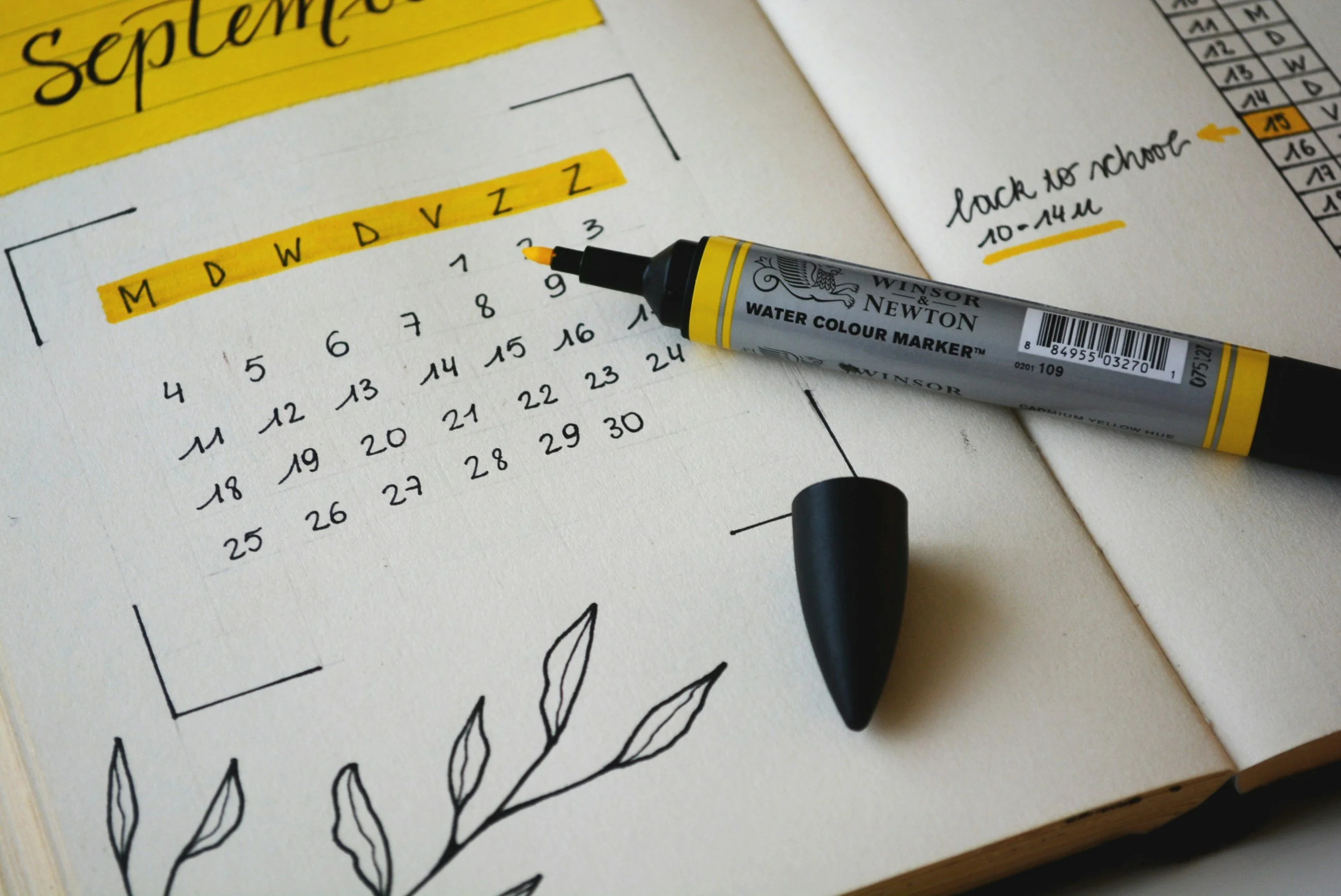
A lot of garden calendars online are pretty, but they’re also generic. They’re designed to work for “most people,” which means they often don’t work well for you. Your microclimate, your sun exposure, your schedule, your family life, your preferred crops, and your local frost dates all matter. A calendar that tells you “start tomatoes in March” might be helpful, but it’s not the whole story.
The truth is: a garden calendar is just a tool for remembering what you already know—or what you’re actively learning.
It’s a place to capture timing so you don’t have to hold it all in your head. It’s a way to turn gardening from a scramble into a rhythm. And it’s the easiest way to make sure your beds don’t go empty simply because you forgot to start the next round of seeds.
When you write it down, you stop guessing. You stop second-guessing. You stop doing that anxious late-night search: “Is it too late to plant carrots?”
You just check your calendar.
The Real Goal: Make Planting (and Replanting) Easy
A garden calendar isn’t only about what to plant when. It’s about making the whole season smoother—seed starting, planting, refreshing beds, and harvesting.
Because here’s what happens in real life: you plant a bed, it grows, you harvest, and then… you stare at it. The bed is half-empty. The season is still going. You could replant, but you’re not sure what makes sense now, and you’re not sure what you have time for, and suddenly it feels easier to do nothing.
A calendar removes that friction.
When you already know that your spring lettuce will be done by early summer—and you already planned a follow-up crop—you can refresh that bed without losing momentum. You don’t need to be a gardening wizard. You just need a plan you can see.
Homegrown & Harvested’s Process: Spreadsheet First, Planner Second
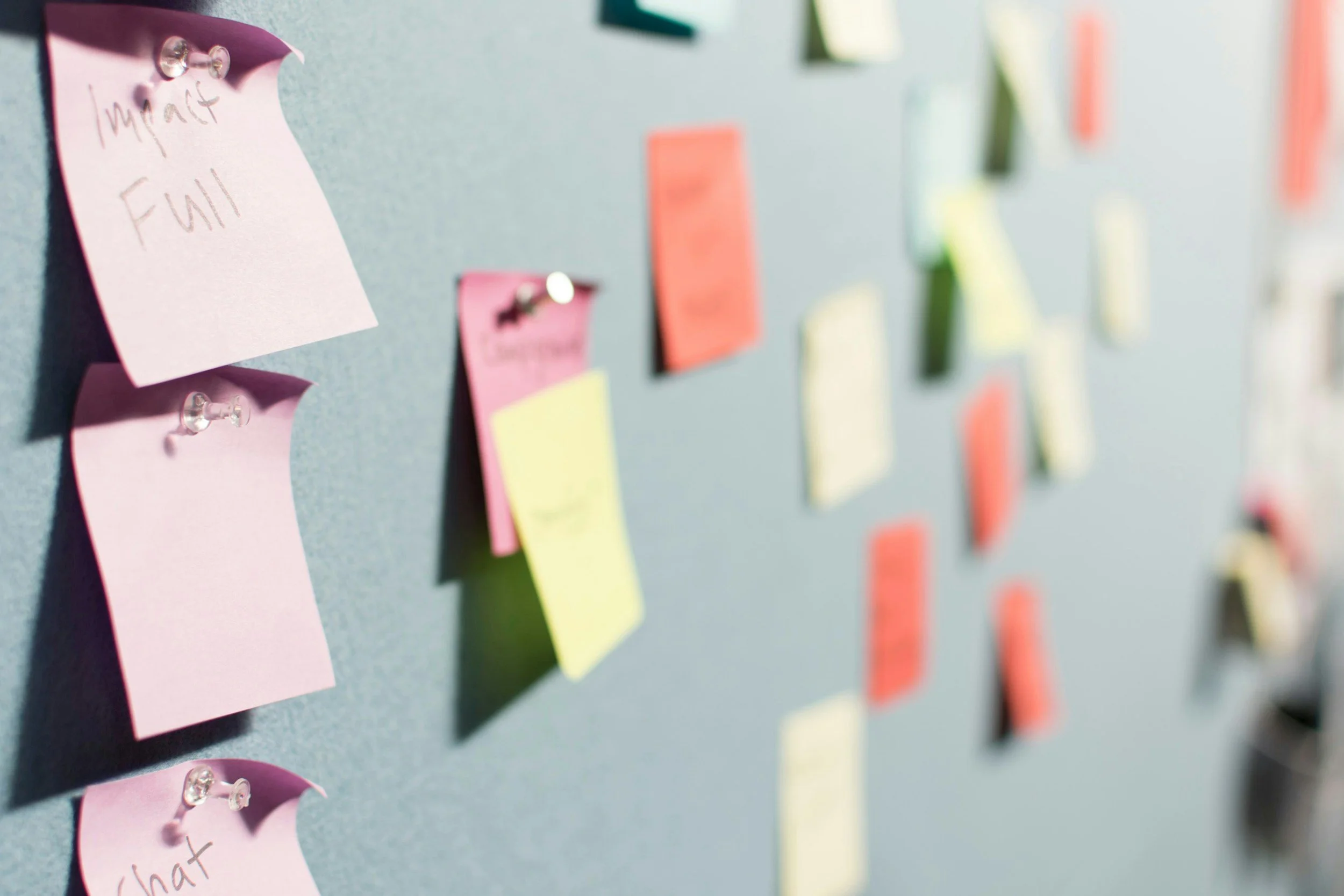
This is the method I use personally and with clients who want a clear, repeatable system.
First, I build a simple spreadsheet. Not a complicated one. Not a color-coded masterpiece (unless you love that). Just a practical tool that holds the information.
Each plant gets four time blocks:
● Seed starting (if applicable)
● Planting (transplanting or direct sowing)
● Tending (the main window of care—watering, feeding, pruning, pest checks)
● Harvesting (the likely harvest window)
When you lay those blocks out across the months, you can see the entire year at a glance. You can see overlaps. You can see gaps. You can see when you’ll be busy and when you’ll have breathing room.
Then I take that spreadsheet and translate it into my paper planner. This is where it becomes real-life friendly.
I add my estimated frost dates, and then I count backward or forward to dial in timing for my local environment. That’s the secret sauce: the spreadsheet gives you structure, and the planner gives you weekly clarity.
Instead of “start brassicas in late summer,” your planner might say, “This week: start broccoli indoors” or “This weekend: direct sow spinach.”
That’s actionable.
How to Build Your Garden Calendar Without Making It Complicated
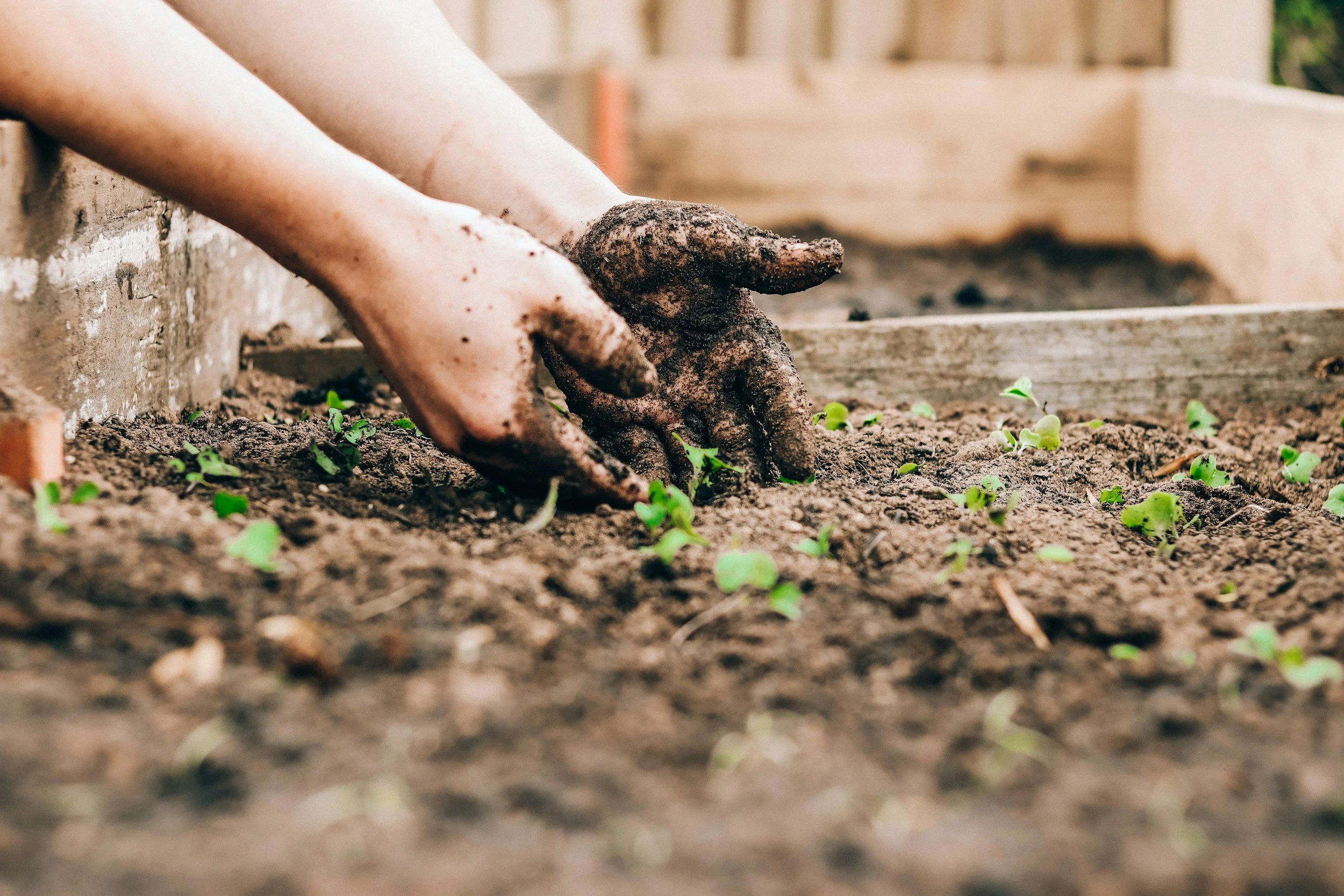
Start with what you actually want to grow. Not what you think you should grow. Not what looks impressive online. What do you and your household eat? What do you get excited to harvest? What do you want more of?
Once you have your crop list, research each plant just enough to fill in the four time blocks. You’re looking for basic timing: when to start seeds (if you do), when to plant outside, how long it tends to occupy space, and when you can expect to harvest.
You don’t need perfection here—you need a working draft.
Then, anchor everything to your frost dates. Your last spring frost and first fall frost are the two bookends that help you make sense of the season. Once you have those, you can count backward for seed starting and forward for harvest estimates.
And here’s the best part: once you’ve built it once, you don’t have to reinvent it every year. You’ll tweak it based on what you learn, but the foundation is there.
Paper Planner, App, or Both? Yes.
If you love paper planners like I do, use one. If you love apps, use one. If you love both, you’re in excellent company.
The point isn’t the tool. The point is having a system you’ll actually check.
A paper planner is wonderful because it’s tactile and visible. It can sit on your counter. It can become part of your weekly rhythm. And if you’re the kind of person who remembers things better when you write them down, it’s a game changer.
An app can be great if you want reminders, recurring tasks, or quick edits on the go. Some gardeners love setting alerts like “start pepper seeds” or “succession sow carrots.” If that makes you more consistent, do it.
You’re not trying to win an organization contest. You’re trying to make your garden easier to maintain.
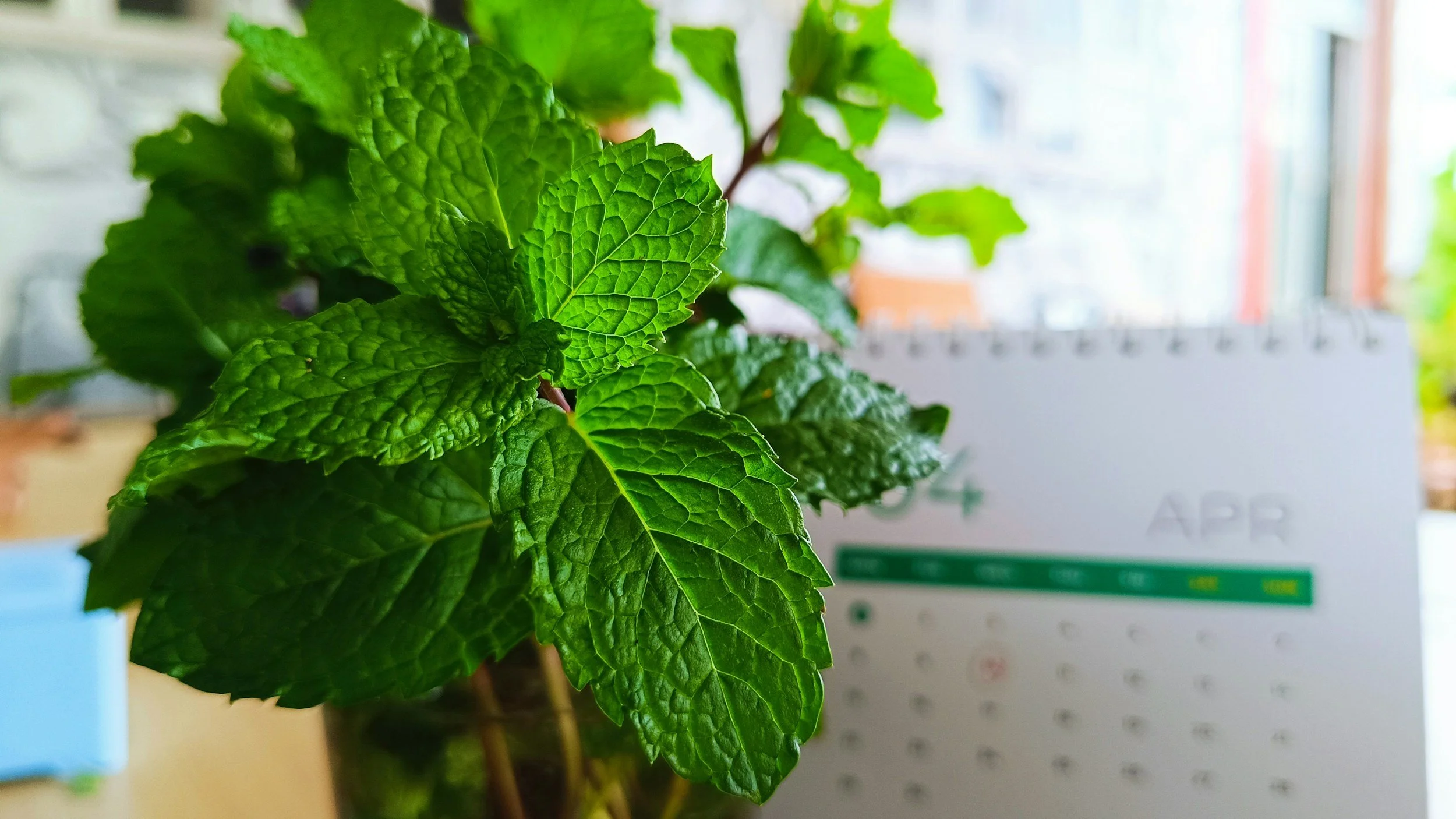
What a Garden Calendar Gives You (Besides Peace of Mind)
A good garden calendar does something sneaky and powerful: it turns gardening into a series of small, doable steps.
Instead of feeling like you need a whole free weekend to “get the garden together,” you can see that this week’s task is simply to start a tray of seeds or refresh one bed. You stop waiting for the perfect moment and start moving with the season.
It also helps you garden more continuously. You’re not only planting once in spring and hoping for the best. You’re planning for refreshes, second plantings, and fall crops. You’re keeping the garden in motion.
And that’s where the magic happens—when your garden becomes a steady source of food and joy instead of a short-lived burst of effort.
Conclusion: Make It Make Sense for You—But Stay Organized
Your garden calendar doesn’t need to be Pinterest-perfect. It doesn’t need fancy graphics or a complicated system. It just needs to make sense for you.
If you want a simple spreadsheet with time blocks, do that. If you want to translate it into a paper planner with frost dates and weekly tasks, do that. If you want to use an app, absolutely do that.
But here’s the non-negotiable: if you want a garden that keeps growing, you need a way to stay organized.
Because continual growth doesn’t happen by accident. It happens when you know what’s coming next—when you’ve already made space for it in your calendar, and you can step into the season with confidence.
So pick your tools, build your timeline, and give your future self the gift of clarity.
Your garden will thank you.