How to tell your plant is actually struggling
They called me because they wanted to make sure it lived.
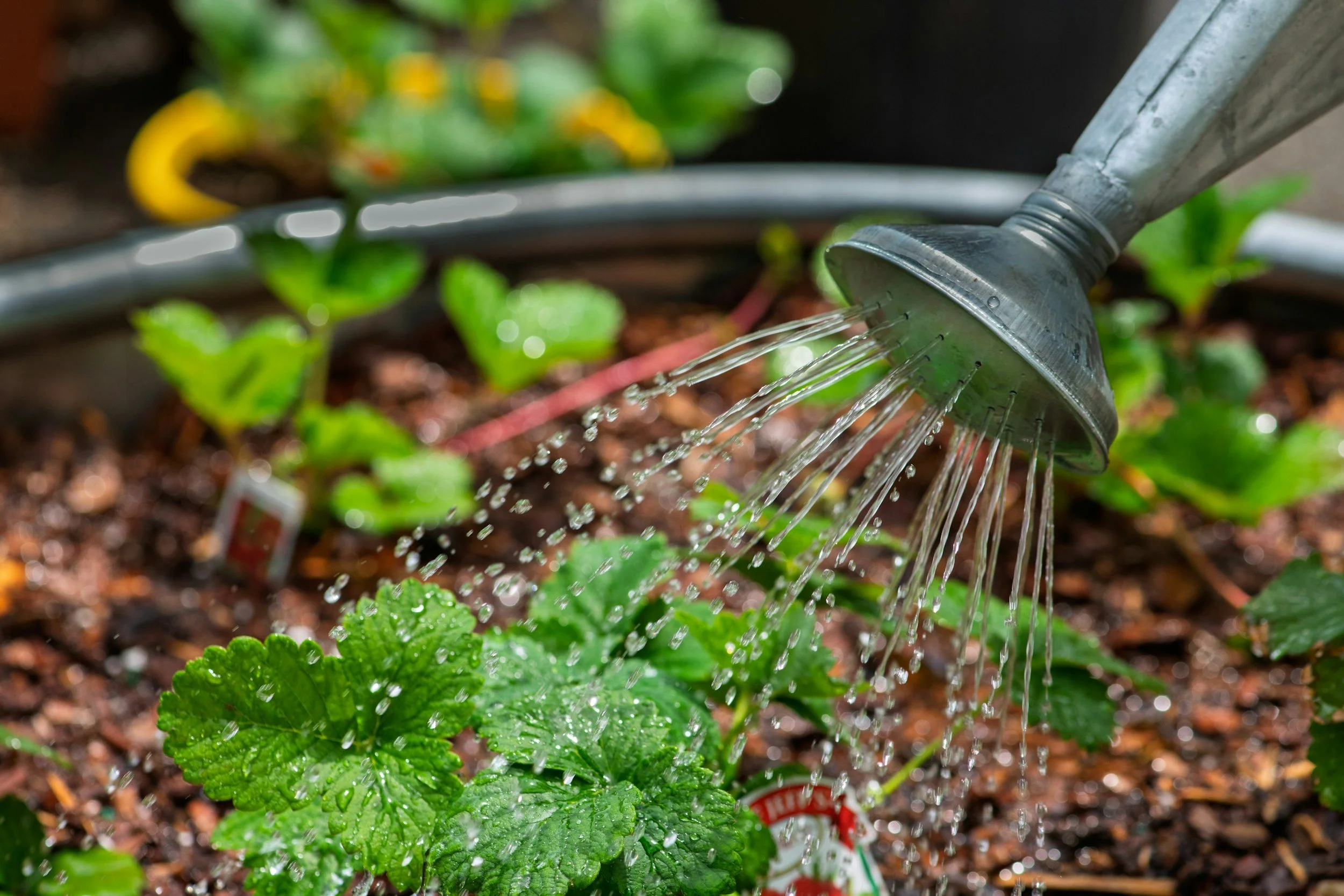
That's the thing about new gardeners — the love is never the problem. If anything, it's almost too much love. They water every morning because they want to give their plants a good start to the day. They water every evening because it was hot and they felt guilty. They water again because the soil looked a little dry on top, and what if it was thirsty?
By the time they call me, their tomato plant is yellowing from the bottom up, the leaves are soft and droopy in a way that doesn't quite make sense, and they are completely baffled.
"I've been watering it every single day," they tell me. "Sometimes twice."
And there it is.
Here's one of the most important things I'll ever tell you as a gardener: a struggling plant and an overwatered plant look almost identical. Wilting, yellowing, soft stems, dropping leaves — these are the symptoms of both too little water and too much. And if you don't know what you're looking at, it is incredibly easy to make the problem worse while trying to fix it.
So let's talk about how to actually read your plants — because they are talking to you. You just need to know the language.
Step One: Check the Soil, Not the Plant
Before you do anything else — before you water, before you fertilize, before you panic — stick your finger two inches into the soil.
This is the single most important diagnostic tool you have, and it costs nothing.
● Wet and cool at two inches? Do not water. Your plant does not need it, no matter what the leaves look like.
● Damp but not soggy? You're probably in good shape. Monitor and check again tomorrow.
● Dry and pulling away from the sides of the bed? Now it's time to water.
Top-down watering decisions are one of the most common mistakes I see. The surface of your soil can look bone dry while the roots are sitting in waterlogged soil below. Always check before you water. Always.
Reading the Signs: What Your Plant Is Actually Telling You
Once you've checked the soil, you can start to interpret what you're seeing above ground. Here's a guide to the most common distress signals and what they usually mean:
Yellowing leaves, starting from the bottom : This is one of the most common signs of overwatering and the early stages of root rot. When roots sit in soggy soil, they can't absorb oxygen — and without oxygen, they start to die. The plant responds by dropping its lower leaves first. If your soil is consistently wet and your lower leaves are turning yellow, ease up on the water immediately and check your drainage.
Wilting despite wet soil : This one confuses gardeners every single time. If your plant is wilting but the soil is moist, overwatering is almost certainly your culprit. Healthy roots absorb water and deliver it to the plant. Damaged, waterlogged roots can't do their job — so even surrounded by water, the plant wilts from thirst.
Brown, crispy leaf edges : This typically points to underwatering, heat stress, or inconsistent watering. The plant is losing moisture faster than it can absorb it. Check your soil — if it's very dry — and consider whether your plant is getting too much direct afternoon sun in the Northern Virginia summer heat.
Soft, mushy stems at the base : This is root rot presenting itself above ground, and it's serious. The base of the stem may look dark, feel soft, or smell slightly off. At this stage, the damage may be significant — but catching it early means you may still be able to save the plant by improving drainage and letting the soil dry out completely.
Pale, washed-out leaves across the whole plant : If the yellowing is happening uniformly across new and old growth alike, you may be looking at a nutrient deficiency rather than a watering issue. Nitrogen deficiency is the most common culprit in raised beds — a top dressing of compost or a balanced organic fertilizer can often help.
Stunted growth with no obvious symptoms : Sometimes a plant just... stops. No dramatic yellowing, no wilting, just a complete lack of progress. This can point to compacted soil, poor drainage, root bound conditions, or a need for nutrients. Take a look at your bed setup and consider whether the plant has enough room and healthy soil to actually grow.

The Root Rot Conversation
I want to talk about root rot specifically, because I have this conversation with clients more than almost any other.
Root rot is caused by fungal pathogens that thrive in consistently wet, poorly drained soil. By the time you see the symptoms above ground — the yellowing, the wilting, the soft stems — the roots have often already been compromised for weeks.
The hard truth is that severe root rot is very difficult to reverse. But mild to moderate root rot? You have options.
Here's what to do if you suspect root rot in your raised bed:
● Stop watering immediately and let the soil dry out as much as possible
● Improve your drainage — raised beds should never have standing water; make sure your bed has adequate depth and isn't sitting on compacted ground
● Remove any visibly affected stems or leaves to reduce stress on the plant
● Consider a soil drench with a beneficial fungal inoculant like mycorrhizae to help restore healthy root biology
● For container plants, remove the plant, trim away black or brown mushy roots, let the remaining roots air dry briefly, and repot in fresh, well-draining mix
And going forward — water less, check more. Your plants will thank you.
Building the Habit of Observation
The best thing you can do for your garden isn't buying better tools or more supplements. It's simply paying attention.
Make it a habit to walk through your garden every day — not with a watering can in hand, but just to look. Notice the color of the leaves. Notice whether stems are upright or drooping. Notice whether the soil feels right. This daily check-in takes five minutes and it will catch problems before they become emergencies.
Gardening is a relationship, and like any good relationship, it runs on communication. Your plants are always sending signals. The more fluent you become in reading them, the more confident and capable a gardener you'll be.
You Didn't Fail. You're Learning.
If you've ever overwatered a plant — welcomed to the club. I have done it. My clients do it. Gardeners with decades of experience do it. It comes from caring, and caring is never the wrong instinct.
What matters is that you now know what to look for, and you know how to respond. A little less watering, a little more observation, and a whole lot of grace for yourself along the way.
If you'd like hands-on support reading your garden's signals this season, my Garden Coaching services are designed exactly for this — real guidance for real gardens, right here in Northern Virginia. And if you want a community of fellow gardeners who are all figuring it out together, come join us in the Homegrown Guild.