Organic pest control without the panic
It usually starts with a text message.
A photo comes through — slightly blurry, a little too close — of a leaf with some holes in it, or a stem that looks a little worse for wear. And before I've even had a chance to respond, I can picture exactly what's happening on the other end of that phone.
The Googling has begun.
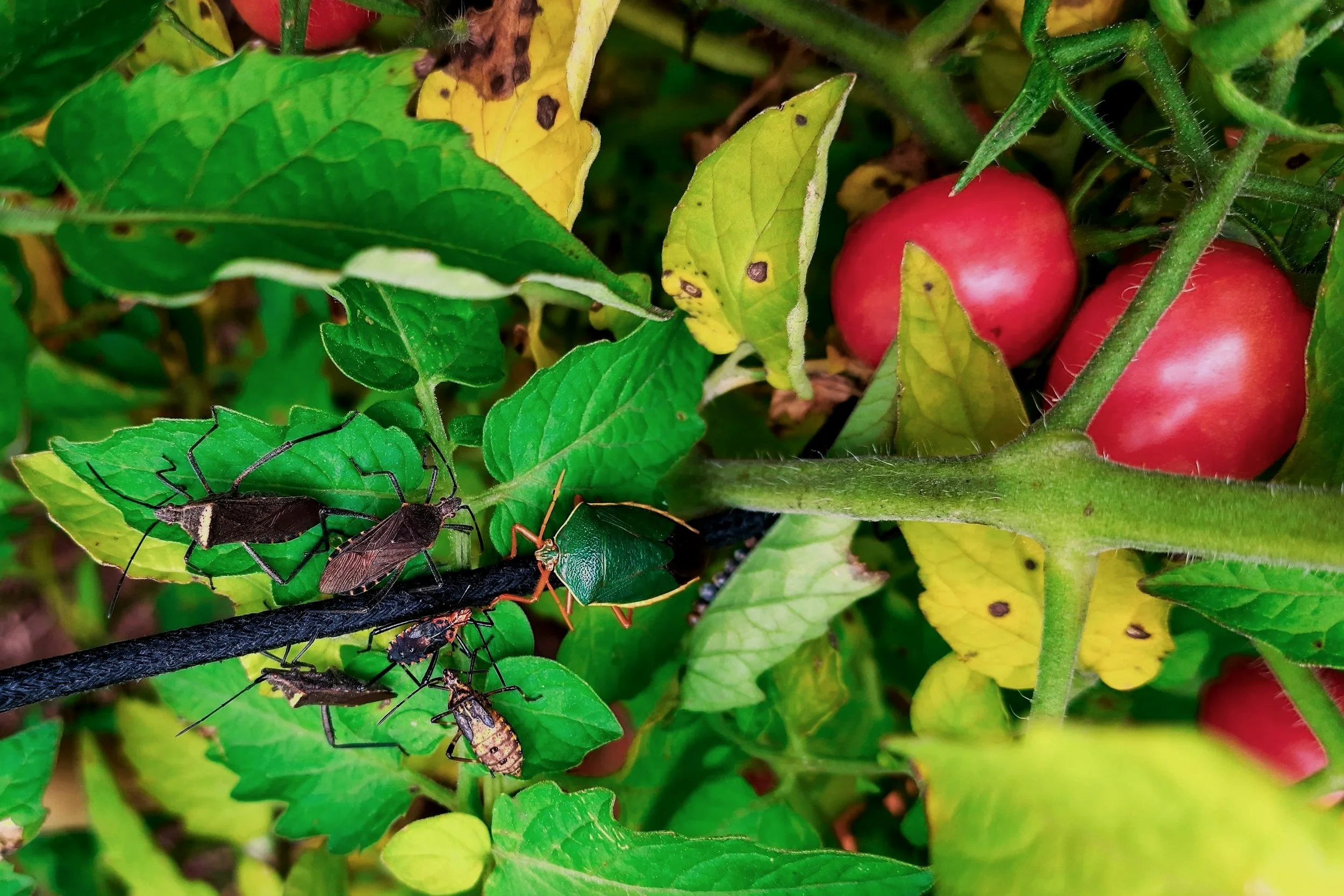
"What's eating my plants?" leads to "common garden pests Northern Virginia* leads to "signs of plant disease" leads to "my entire garden is probably dying." By the time I text back — usually within the hour — my client has already diagnosed their tomatoes with three different fungal infections, ordered an arsenal of chemical sprays, and is halfway convinced they should just give up and buy their vegetables from the farmers market.
Sound familiar?
Here's what I want you to know: you are not alone, and your garden is almost certainly going to be okay. Pests are a normal part of gardening. Every single gardener — beginner and seasoned pro alike — deals with them. The difference between a garden that thrives and one that spirals isn't the absence of pests. It's knowing how to respond without panic.
So let's talk about that.
Step One: Take a Breath (Seriously)
Before you reach for anything — a spray bottle, your phone, Google — just pause. Look at the plant. Really look at it.
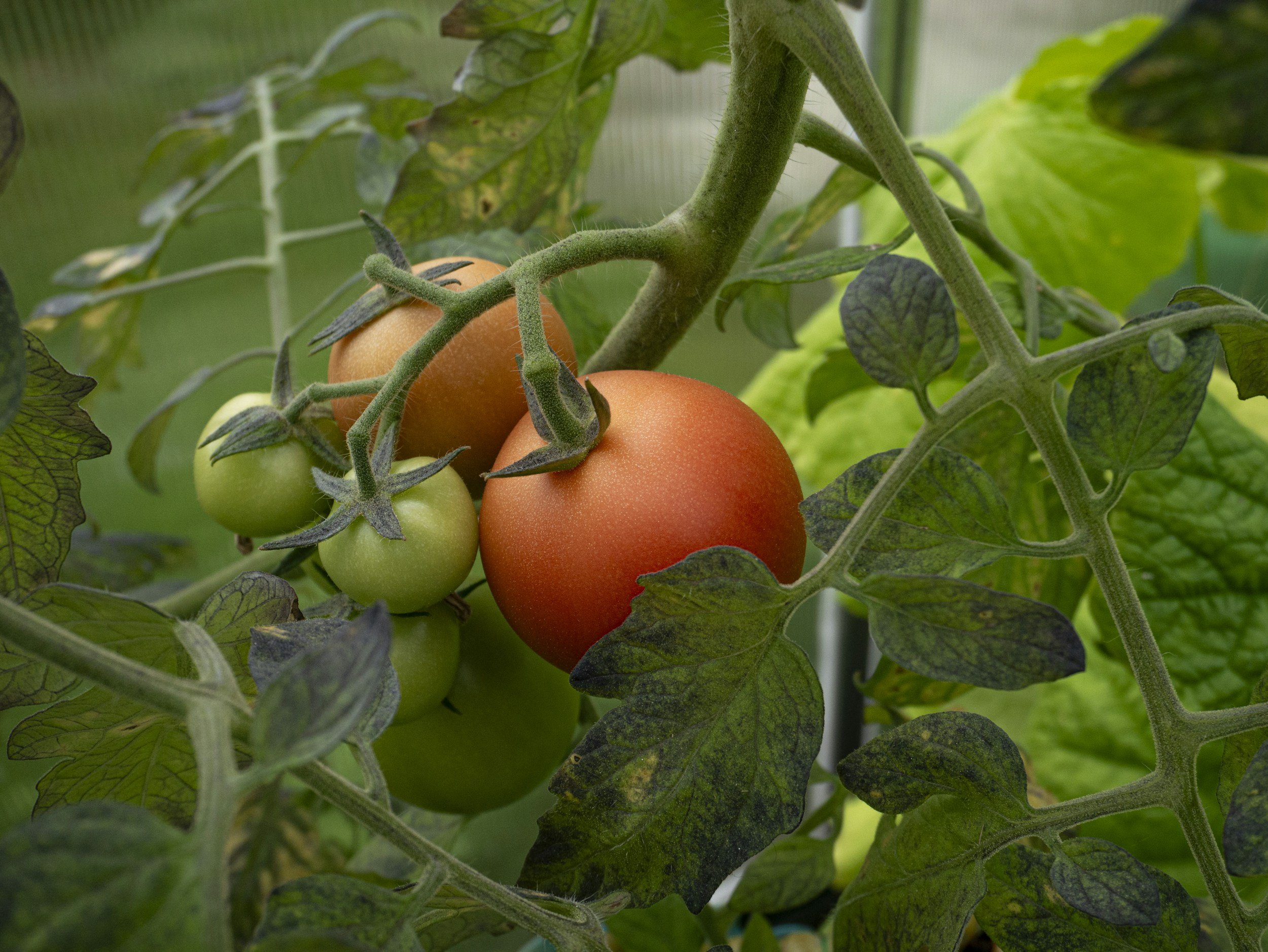
How much damage are you actually seeing? A few holes in a couple of leaves is not an emergency. Plants are remarkably resilient, and a little pest pressure is something a healthy garden can handle on its own. The goal isn't a perfect, bug-free garden — it's a balanced one.
If less than 20-30% of the plant is affected, you have time. You don't need to act this second.
Identify Before You Act
This is the step most new gardeners skip in the panic, and it's the most important one. Different pests require different responses, and treating for the wrong thing is at best a waste of money and at worst harmful to your garden's ecosystem.
Here's a quick cheat sheet for the most common culprits in Northern Virginia raised beds:
Aphids — Tiny, soft-bodied insects clustered on new growth and the undersides of leaves. They come in green, black, yellow, or white. Look for sticky residue or curling leaves.
Caterpillars & Hornworms — You'll often see the damage before the pest — large, irregular holes in leaves, or entire stems stripped overnight. Check the undersides of leaves and look for dark frass (droppings).
Flea Beetles — Those tiny, perfectly round holes that look like someone took a hole punch to your leaves? Flea beetles. They're especially fond of brassicas and eggplant.
Squash Vine Borers — If your squash plant wilts suddenly and dramatically despite adequate water, check the base of the stem for entry holes and sawdust-like grass.
Spider Mites — Fine webbing on the undersides of leaves and a dusty, stippled look to the foliage. They thrive in hot, dry conditions.
When in doubt, take a photo (I genuinely love getting these texts!) and reach out to a local extension office or a trusted gardening coach. You don't have to figure this out alone.
Start With the Gentlest Solution
Organic pest control works on a spectrum — and the first line of defense is often the simplest.
Hand-picking — For caterpillars, hornworms, and larger beetles, hand-picking is genuinely effective. Drop them into a bucket of soapy water. It's a little satisfying, honestly.
A Strong Spray of Water — A firm blast from the hose knocks aphids, spider mites, and whiteflies right off plants. Do this in the morning so foliage dries before evening.
Insecticidal Soap — A spray made from diluted castile soap (or a purchased insecticidal soap) is effective against soft-bodied insects like aphids and mites. Spray directly on the pests, coating the undersides of leaves. Reapply every few days as needed.
Neem Oil — A powerhouse organic option that works as both a pesticide and a fungicide. It disrupts the life cycle of many common pests. Use in the early morning or evening to avoid harming beneficial insects, and never apply in full sun.
Diatomaceous Earth — Sprinkled around the base of plants, this fine powder deters crawling insects like beetles and slugs. Reapply after rain.
Support Your Garden's Natural Defenses
Here's something that might surprise you: the best pest control isn't something you spray.
It's something you grow. Beneficial insects — ladybugs, lacewings, parasitic wasps, and ground beetles — are nature's pest control team, and they show up when your garden invites them. You can roll out the welcome mat by:
Planting companion plants like marigolds, basil, dill, and fennel that attract beneficials and deter pests Avoiding broad-spectrum pesticides that kill the good guys along with the bad Letting some herbs flower to feed pollinators and predatory insects
Keeping your beds healthy — well-fed, well-watered plants in good soil are naturally more pest-resistant A diverse, thriving raised bed garden is its own best defense.
Your job is to support it, not fight every battle for it.
Know When to Escalate
Sometimes — not often, but sometimes — a pest situation does require stronger intervention. Here are the signs it's time to level up your response:
More than 30-40% of the plant is affected and damage is spreading quickly You're seeing wilting, yellowing, or plant death beyond what the identified pest should cause The pest is present in large numbers across multiple plants or beds.
In these cases, stronger organic options like spinosad (effective against caterpillars and beetles) or pyrethrin-based sprays may be appropriate. These are still organic, but they're more broad-spectrum, so use them thoughtfully and always follow label directions.
And if you're still not sure? Ask for help. That's what coaching is for
Your Garden Is Not Doomed
The next time your phone buzzes with a worried text — or the next time you're* the one spiraling into a Google rabbit hole at 10pm — I want you to come back to this post.
Pests are part of the process. They are not a sign that you've failed or that your garden is beyond saving. They're just part of the conversation your garden is having with the world around it.
Take a breath. Identify what you're dealing with. Start gentle. Support your garden's natural resilience. And remember — you have more tools than you think.
If you're ready to build a garden that works with nature instead of against it, I'd love to help. Check out my Garden Coaching services or join the Homegrown Guild for ongoing support, seasonal guidance, and a community of gardeners who get it.
You've got this. And I've got you.