Feed the Soil, Feed the Season: How to Maintain a Thriving Raised Bed Year After Year
A great raised bed garden isn't built in a season. It's built in the quiet moments between seasons — the composting, the top-dressing, the small rituals that keep the biology alive.
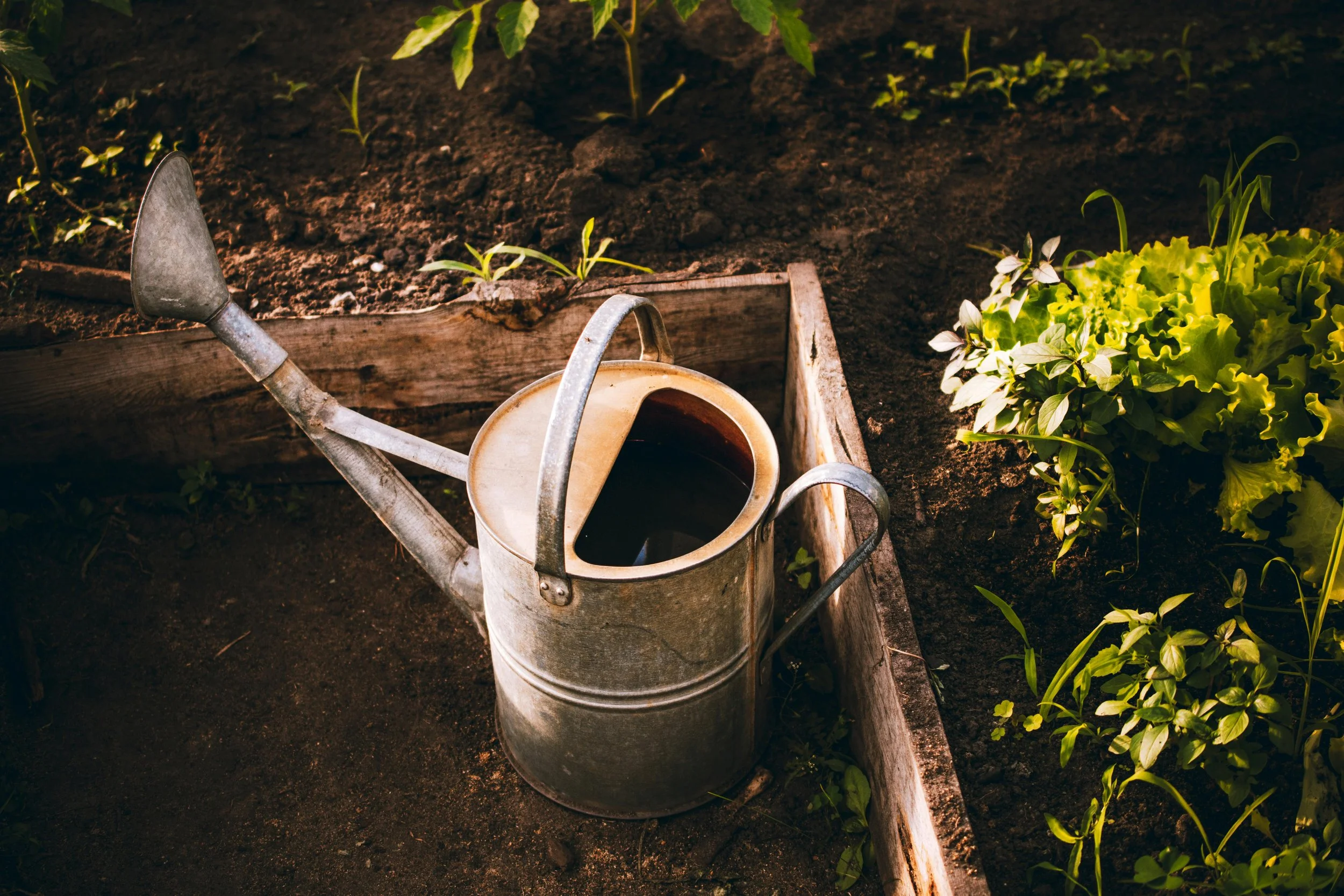
Every year on Valentine's Day, I start my tomato seeds.
I know how that sounds. It's a little silly. My family teases me about it. But somewhere along the way it became a ritual, and now I can't imagine doing it any other way. I fill my seed trays, press each tiny seed in with my fingertip, water them gently, and set them under the grow lights with the same care I'd give anything I love.
Because that's what it is, really. I'm growing food for the people I love. And it starts — like all good things — quietly, in the dark, weeks before anyone else is thinking about the garden.
That Valentine's Day ritual taught me something important about soil maintenance: the best gardening happens in the margins. Not in the dramatic moments of planting and harvest, but in the quiet, consistent tending that happens between them. Feeding your soil isn't a single event. It's a rhythm. And once you find yours, it becomes as natural as any other ritual you keep.
Why soil maintenance is a year-round practice
Most gardeners think about soil in spring — when beds are being filled and planted. But the most important soil work happens in fall and winter, when most people have already forgotten about the garden.
Here's what's actually going on underground in the off-season: your soil biology is still active, still breaking down organic matter, still building structure. Give it material to work with and it will do extraordinary things by the time spring rolls around. Leave it bare and exposed, and you'll spend the first half of your growing season trying to recover what winter took.
The no-dig approach I use treats soil maintenance as a layering practice — a continuous cycle of adding organic matter to the surface and letting the biology pull it down. No turning, no disrupting. Just feeding.
The seasonal rhythm I follow
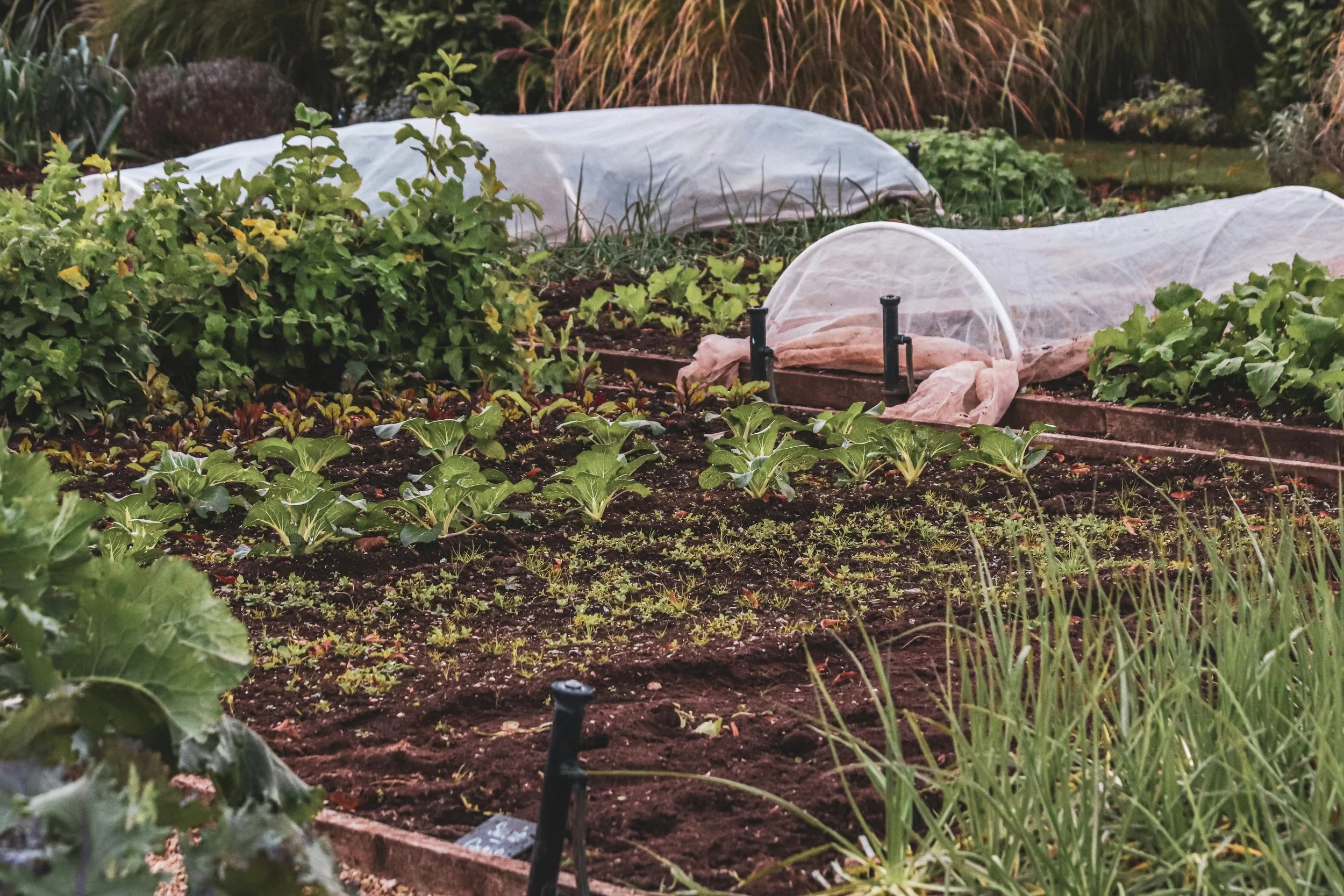
Late fall — after the last harvest: This is the most important maintenance moment of the year. Once beds are cleared of spent plants, I add a generous layer of compost — two to three inches — directly on top of the soil. I don't dig it in. I lay it down like a blanket. Over winter, worms and microbes will pull it downward, and by spring the soil will be noticeably richer and darker than it was in autumn.
I also add a layer of straw mulch on top of the compost to protect it from erosion and temperature swings. It locks everything in and keeps the soil from crusting over during freeze-thaw cycles.
Late winter — around Valentine's Day: While my tomato seeds are germinating on the heat mat, I do a quiet walk of the beds. I pull back the straw mulch and check what's underneath. By now the compost layer I added in fall is starting to break down. I top-dress with a thin layer of worm castings — maybe half an inch — in any beds that look like they need a boost. It's a small gesture that pays off all season.
Spring — two weeks before planting: I add a final light layer of compost to any beds getting warm-season crops. I also add a sprinkle of kelp meal and a small amount of rock phosphate to the beds that will host heavy feeders like tomatoes and squash. Then I leave it alone. No tilling. No mixing. Just a little patience.
Midsummer — when plants hit their stride: This is when most gardeners forget about the soil entirely, because everything looks good. Don't make that mistake. Midsummer is when I side-dress my heaviest feeders — tomatoes especially — with a layer of worm castings or aged compost right around the base of the plants. I also make sure my mulch layer is topped back up if it's thinned out. Bare soil in midsummer loses moisture fast and invites weeds.
End of season — after harvest, before winter: And back to the beginning. Compost goes down. Mulch goes on top. The cycle continues.
The amendments worth reaching for
Not all soil amendments are created equal, and you don't need to use all of them. These are the ones that have earned a permanent spot in my practice:
Compost is the foundation of everything. Make your own if you can — even a simple cold compost pile fed with kitchen scraps and garden waste will produce excellent material over time. Buy it if you can't. There is no substitute.
Worm castings are concentrated biology — packed with beneficial microbes, plant-available nutrients, and compounds that improve soil structure. A little goes a long way. I use them as a top-dress or mix a handful into seed-starting trays.
Straw mulch protects, insulates, and eventually breaks down into organic matter itself. It also suppresses weeds and locks in moisture. I use it year-round.
Kelp meal provides trace minerals and natural plant hormones that boost root development and stress resistance. It's subtle but consistent.
Cover crops — in any bed that's going to sit empty for more than a few weeks, I'll often sow a fast-growing cover crop like crimson clover or winter rye. These add organic matter, fix nitrogen, suppress weeds, and keep the soil biology fed when there's no main crop in the ground.
The lesson my tomato seeds taught me
There's something about starting seeds on Valentine's Day — about choosing that date deliberately, about building a ritual around an act of care — that captures everything I've come to believe about soil maintenance.
It doesn't have to be grand. It doesn't require expensive tools or elaborate systems. It requires showing up, consistently, in the quiet moments. Checking in. Feeding what needs feeding. Protecting what needs protecting. Trusting that the biology will do its part if you do yours.
I started this series talking about how I used to be a professional digger — someone who broke ground for a living and never thought much about what I was disrupting. What I've learned in the years since is that the best thing I can do for my garden is mostly the opposite: feed it, protect it, and get out of its way.
Your soil is alive. Treat it that way, and it will feed you for seasons to come.