Reading Your Soil: What Your Raised Bed Is Telling You
You don't need a lab coat or a chemistry degree. Your soil is already talking to you — you just need to know how to listen.
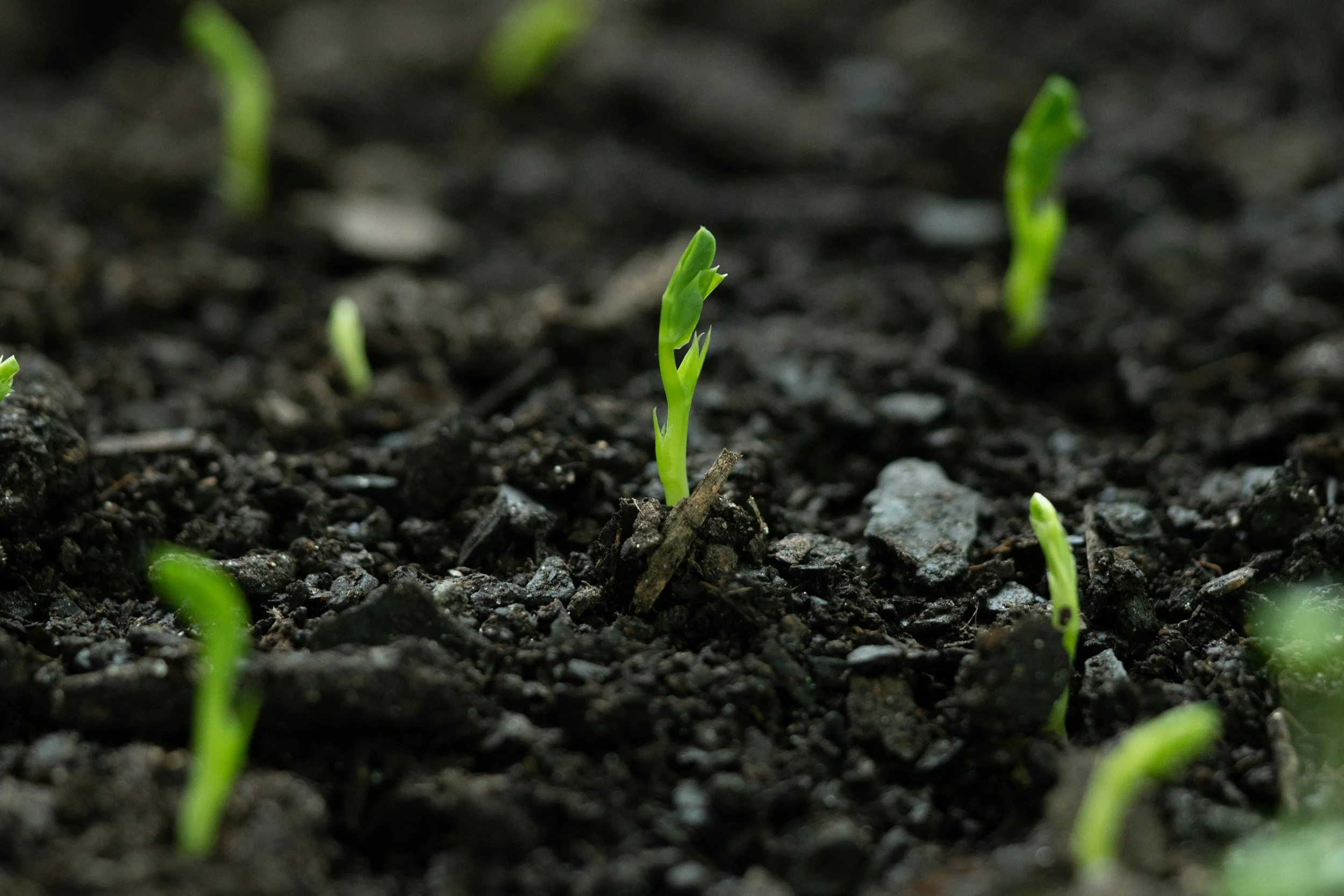
As an archaeologist, I was trained to read soil from the bottom up. You'd stand at the edge of a trench and work your way down through time — dark humus at the top, lighter subsoil below, maybe a pale clay layer beneath that. Each stratum told a story. Each color shift was a chapter
When I started no-dig gardening, I assumed that same skill would translate perfectly. I'd read my raised bed the way I read an excavation site. Easy, right?
Not quite.
Here's the thing about no-dig raised beds: the strata don't really apply the same way. You're not digging down through layers formed over centuries. You're building up — adding compost, mulch, and amendments on top, letting biology do the work from the surface downward. The record I was trained to read underground simply wasn't there anymore. And for a while, that threw me off.
The real turning point came with straw
I had started mulching my beds heavily with straw — something I'd read about but never tried. And one morning I pulled back a corner of that straw mulch and pressed my fingers into the soil beneath. It was dark. It was cool. It held together in a way the bare soil never had. The moisture was locked in, protected from the sun, slowly feeding the life below.
That was my aha moment. I didn't need to read the strata anymore. I needed to read the surface. The top of my soil was the new record — and it was telling me everything.
What healthy raised bed soil looks like
Before you amend, test, or troubleshoot anything, start with observation. Get close to your bed. Really close. Here's what you're looking for:
Color. Dark, rich brown to near-black soil is a sign of high organic matter and active biology. Pale, gray, or reddish soil indicates low organic matter or mineral imbalance. If your soil looks like the stuff you'd find at a construction site, it needs feeding.
Texture. Squeeze a handful. Good soil forms a loose ball that crumbles apart easily. If it stays in a tight clump that won't break apart, you've got compaction or too much clay. If it falls apart before you even squeeze, it may be too sandy and draining too fast.
Smell. This one surprises people, but healthy soil smells earthy and almost sweet — that distinctive scent comes from actinomycetes bacteria and a compound called geosmin. Sour, rotten, or sulfur-like smells signal poor drainage or anaerobic conditions.
Life. Pull back your mulch and look. Earthworms are the gold standard — their presence means your biology is working. Fungal threads (white, cobweb-like strands) are another great sign. If you're digging through soil and seeing nothing alive, that's your answer right there.
Reading the surface, not the strata
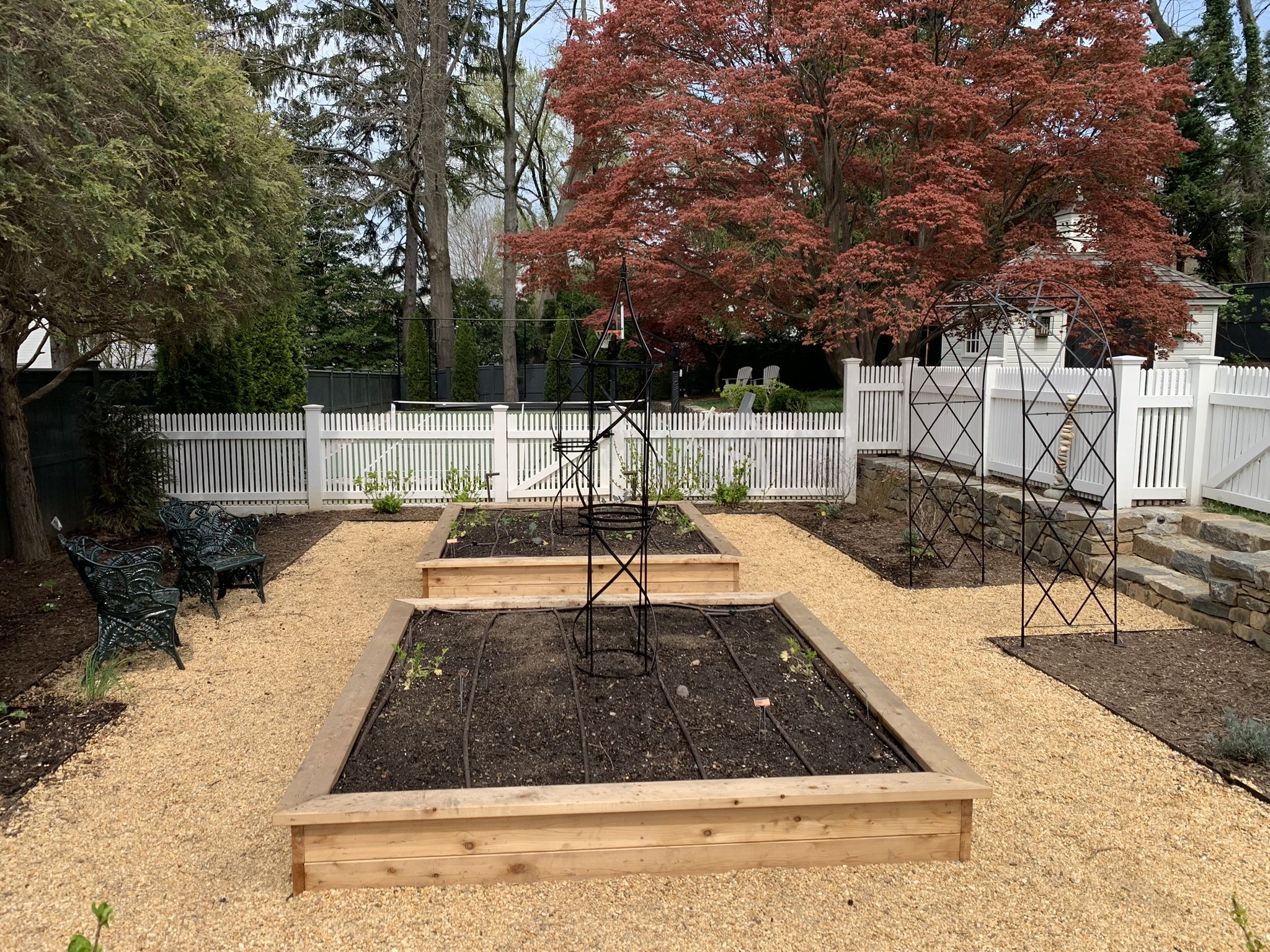
In a no-dig raised bed, the action happens at the top. Unlike a traditional dug garden where you work amendments deep into the soil, in a no-dig system you're feeding from above and letting the worms and microbes carry nutrients down. That means the surface layer is your diagnostic tool.
Here's how I read mine throughout the season:
If the surface cracks and pulls away from the edges of the bed, you're losing moisture too fast. Add a thick layer of compost or straw mulch — aim for two to three inches. The straw mulch that gave me my aha moment has stayed in my rotation ever since, because nothing locks in moisture quite like it while still letting rain through.
If the surface looks pale and powdery after watering, you may have a crust forming — often from rain impact on bare soil. This is a drainage and compaction issue. More organic matter on top, more mulch, less exposed soil.
If plants are yellowing from the bottom up, that's usually a nitrogen signal. Top dress with a half inch of worm castings or aged compost and let the watering work it down naturally.
If plants are yellowing from the top down, that's often an iron or pH issue. Most raised bed soils trend toward acidity over time. A simple at-home pH test (available at any garden center) will tell you whether you need to add lime to bring things back into range.
The tools worth having
You don't need much. The most useful diagnostic tools I reach for are:
A simple pH test kit — soil pH between 6.0 and 7.0 is the sweet spot for most vegetables. Outside that range, nutrients become locked up even if they're present.
A soil thermometer — soil temperature matters more than air temperature for germination. Most warm-season crops want soil above 60°F before they'll really take off.
Your own hands and nose — seriously. Regular, close observation beats any gadget. Get in the habit of pulling back mulch and checking underneath every time you water. It takes thirty seconds and tells you more than a test kit half the time
Trust what you see
The biggest shift in my gardening practice wasn't any particular amendment or technique. It was learning to slow down and observe before I acted. As an archaeologist, I learned never to excavate faster than you can record. The same principle applies here. Don't amend before you diagnose. Don't add fertilizer before you read what's already happening.
Your soil is already communicating. The color, the texture, the smell, the life teeming just beneath your mulch — it's all a record, just like the strata I used to read in a trench. You just have to get close enough to listen.