Soil First: Why What's Beneath the Surface Is Everything
Before you buy a single seed, before you build your first raised bed frame, there's one thing you need to understand — and it starts underground.
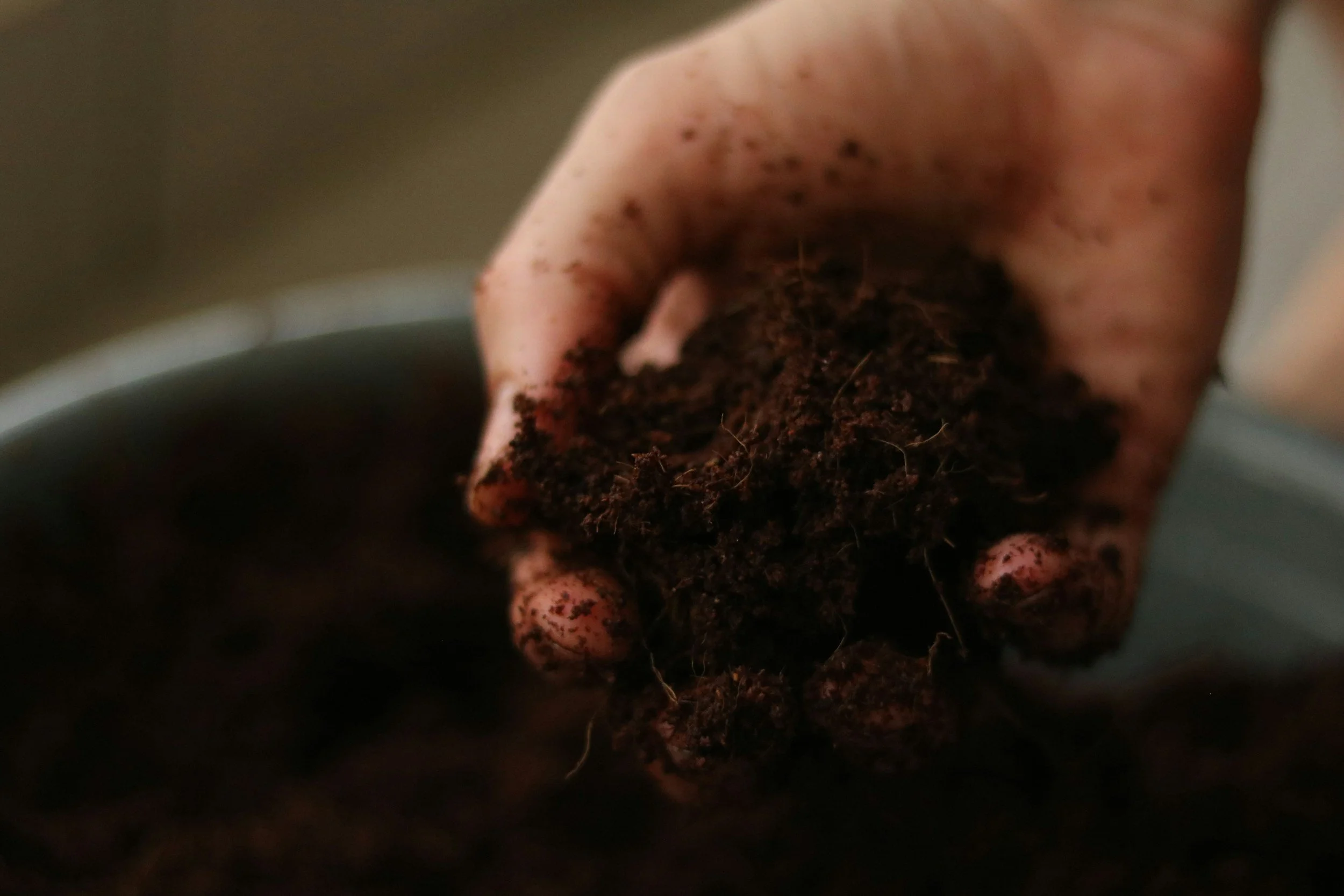
I spent years as an archaeologist. My job, quite literally, was to dig.
To peel back the earth layer by layer, strata by strata, and read the story of what came before. I got good at it. I could crouch at the edge of a trench, look at the color shift in the soil, the texture, the density — and tell you with confidence exactly what period we'd broken into. It was a skill I was proud of.
What I didn't think much about, not then anyway, was what I was destroying in the process.
Every time we broke ground on a new site, we were cutting through something alive. A delicate, layered ecosystem of fungi, bacteria, worms, insects, and roots — all working together in ways that took centuries to build. We weren't careless people. We cared deeply about history. But we were tearing through the present to get to the past, and that present happened to be living soil.
From excavation to garden — and the same mistake
When I transitioned out of fieldwork and into gardening, I brought my shovel and my instincts with me. I found a plot, marked it out, and did what I always did: I tilled. I turned that earth over hard, broke up the clumps, smoothed it out. It looked great. Clean, loose, aerated. I planted, stood back, and waited for the magic.
It didn't come.
My plants grew — technically. But they were pale, slow, and scraggly. They limped through the season. I added fertilizer. I watered more. I tried different seeds. Nothing clicked. And it gnawed at me, because I knew soil. I had spent years with my hands in it. So why was it failing me?
The answer, when I finally found it, was humbling: I had been thinking about soil all wrong. I wasn't working with it. I was working against it — the same way I had on every dig site. I had been treating dirt like a medium, an inert stage for plants to perform on. But soil isn't a stage. It's the whole production.
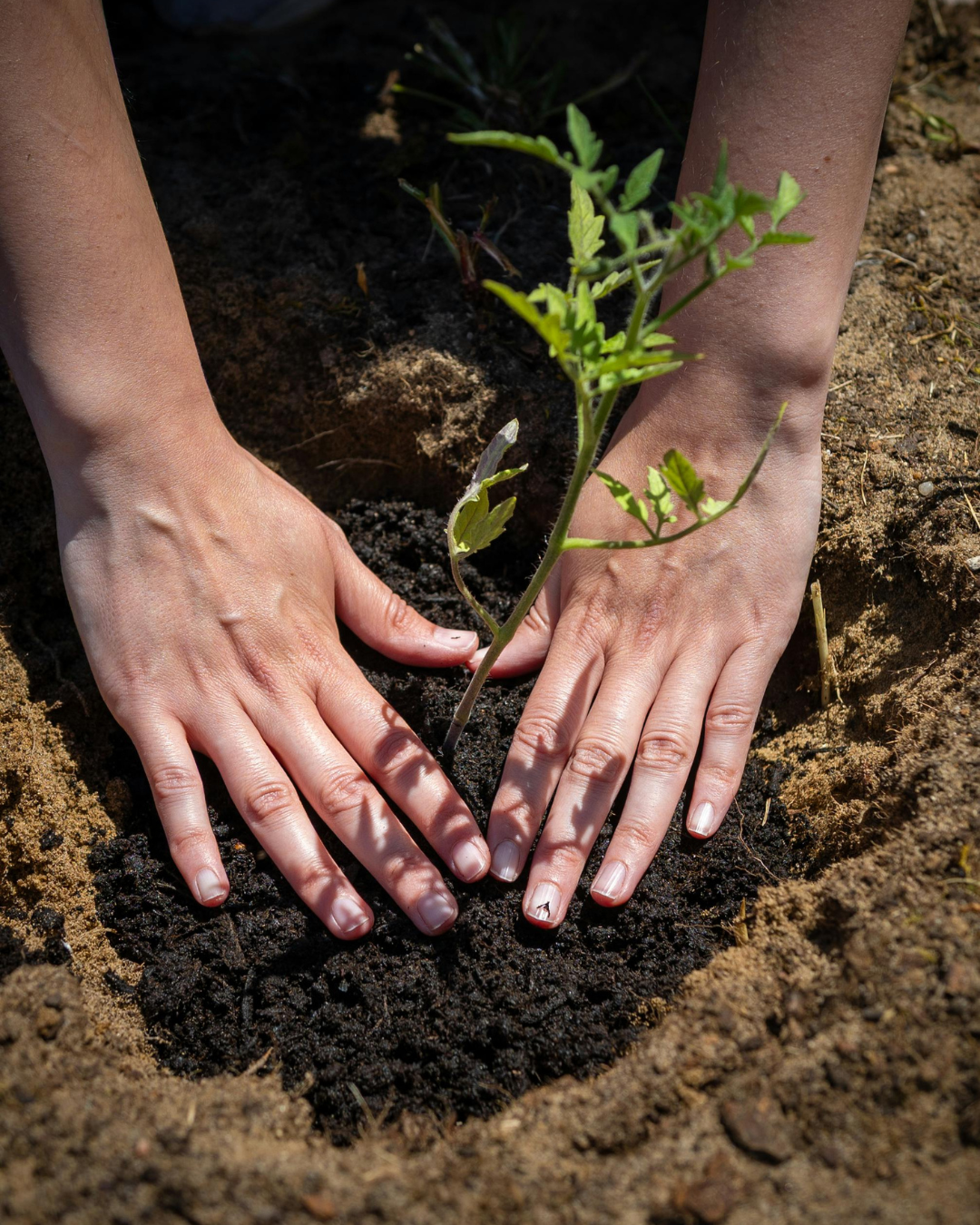
"I had spent years reading soil for what it told me about the past. I never stopped to ask what it was doing in the present — or what I was doing to it."
The living world beneath your feet
Here's what I learned when I really started digging into soil science: healthy soil is not dirt. It is a staggeringly complex, living ecosystem. A single teaspoon of healthy garden soil can contain more microorganisms than there are people on Earth. Bacteria, fungi, protozoa, nematodes, arthropods, earthworms — layer upon layer of life, all doing something purposeful.
The most important relationship in that system is the one between plant roots and mycorrhizal fungi. These fungi form a vast web — sometimes called the "wood wide web" — that extends the reach of plant roots enormously. They trade minerals and water to plants in exchange for sugars. They are the internet of the soil world. And when you till, you shred that network. You hit reset on a system that took years to establish.
Tilling also disrupts soil structure. Healthy soil has pores, channels, and aggregates that hold air and water in the right balance. When you churn the soil, you collapse that structure. You release stored carbon into the atmosphere. You bring weed seeds to the surface. You expose the soil to erosion. What looks like a fresh, clean start is actually a setback measured in years.
I had done this — professionally, enthusiastically — at every new archaeological site. And then I did it again in my own backyard, wondering why nothing would grow.
Building up instead of digging down
The shift in my thinking came slowly, then all at once. I stopped treating soil as something to manipulate and started treating it as something to feed. I started composting. I started mulching heavily, letting organic matter break down on the surface the way it does in nature — from the top down, not the bottom up. I added worm castings, aged manure, and kelp meal. I stopped tilling entirely and moved to a no-dig approach.
And I started watching what happened. Not over days, but over seasons. The soil darkened. It started to smell the way good forest floor smells — rich, earthy, alive. Earthworms showed up in numbers I hadn't seen before. My plants stopped struggling. They started thriving. Not because I added the right chemical, but because I got out of the way and let the biology do what it had evolved millions of years to do.
There's a beautiful irony in that, for a former archaeologist. I spent my career excavating the past, reading the record left behind in soil. And it turns out that the most important thing soil was telling me all along was: leave me alone. Feed me. Trust me. I know what I'm doing.
Why this series starts here
In this series, we're going to cover everything you need to know to build and maintain a thriving raised bed garden. But we start here, with soil, because everything else depends on it. A raised bed with poor soil biology is just an expensive planter box. A raised bed with rich, living soil is a growing machine.
In the posts ahead, we'll get into the specific mixes and amendments I use, how to build soil over time without breaking the bank, and how to read your soil the way I used to read a dig site — with curiosity, patience, and a deep respect for what it's telling you.
Because it turns out the best gardeners and the best archaeologists have something in common: they both know that the real story is always buried just beneath the surface. You just have to know how to look.
Up next in this series: What exactly goes into a raised bed soil mix — and why the bag at the garden center probably isn't enough.