Companion Planting as Natural Pest Control
She came to me with one very clear goal.
"I want to grow organically," she said, "but I don't know what I'm supposed to do when the bugs show up. If I can't spray, what do I have?"
It's one of my favorite questions to answer. Because the truth is, the most powerful pest control tool available to any gardener isn't something you buy, mix, or spray. It's something you plant. Welcome to the world of companion planting — the practice of growing plants together intentionally, in combinations that benefit each other. And when it comes to managing pests naturally, it is one of the most elegant, effective, and frankly satisfying strategies a gardener can have in their toolkit. My client looked a little skeptical when I explained it. "So I just... plant marigolds next to my tomatoes and the bugs go away?" Not quite.
But close enough that it's worth leaning in.
What Companion Planting Actually Does
Companion planting works on several levels at once, and understanding the how makes you a much more intentional gardener.
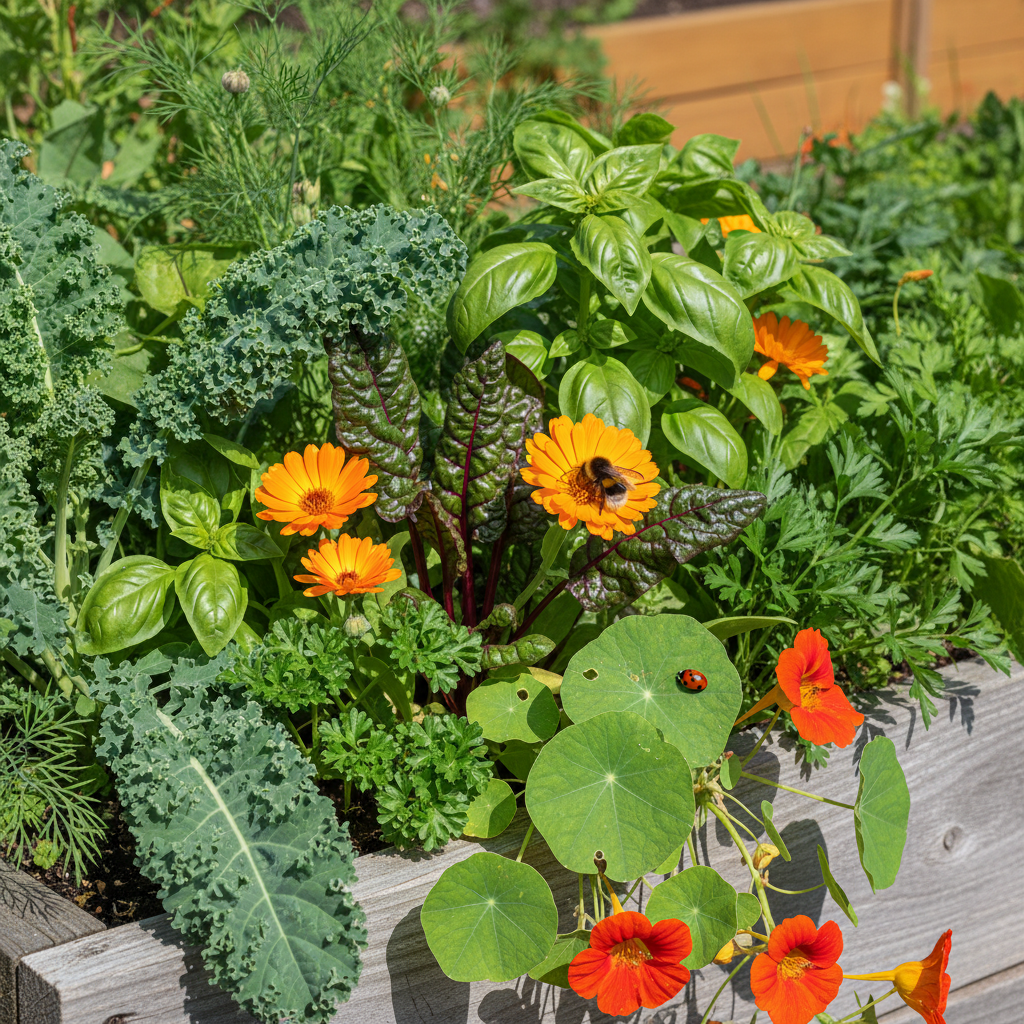
It confuses and deters pests. Many insects find their host plants by scent. When you interplant strongly aromatic herbs like basil, rosemary, or mint among your vegetables, you essentially create olfactory noise — making it harder for pests to zero in on their target. The smell of basil, for example, is known to repel thrips, aphids, and whiteflies.
It attracts beneficial insects. Not all insects are the enemy. Ladybugs, lacewings, parasitic wasps, and hoverflies are voracious predators of common garden pests — and they need food and habitat to stick around. Planting flowering herbs like dill, fennel, and cilantro (allowed to bolt) gives beneficial insects the nectar and pollen they need to thrive in your garden. Think of it as rolling out the welcome mat for your pest control team.
It supports overall plant health. Companion planting isn't just about pest management — it's about building a garden ecosystem where plants support each other's growth, soil health, and resilience. Healthier plants are naturally more resistant to pest pressure.
The Companion Planting Combinations Worth Knowing
Whatever it is, the way you tell your story online can make all the difference.
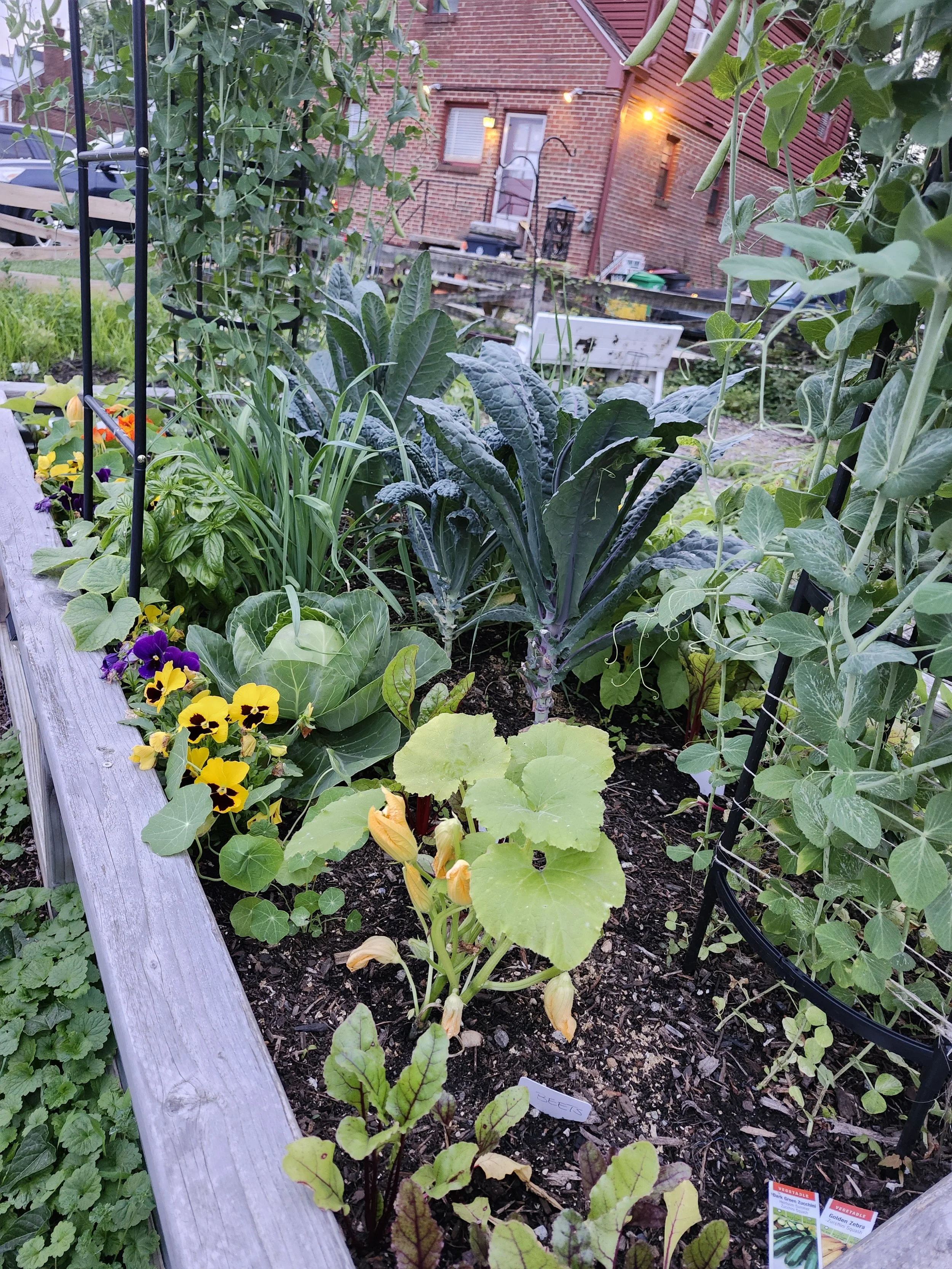
There are dozens of companion planting pairings, but let's focus on the ones that are most relevant and well-documented for Northern Virginia raised bed gardens:
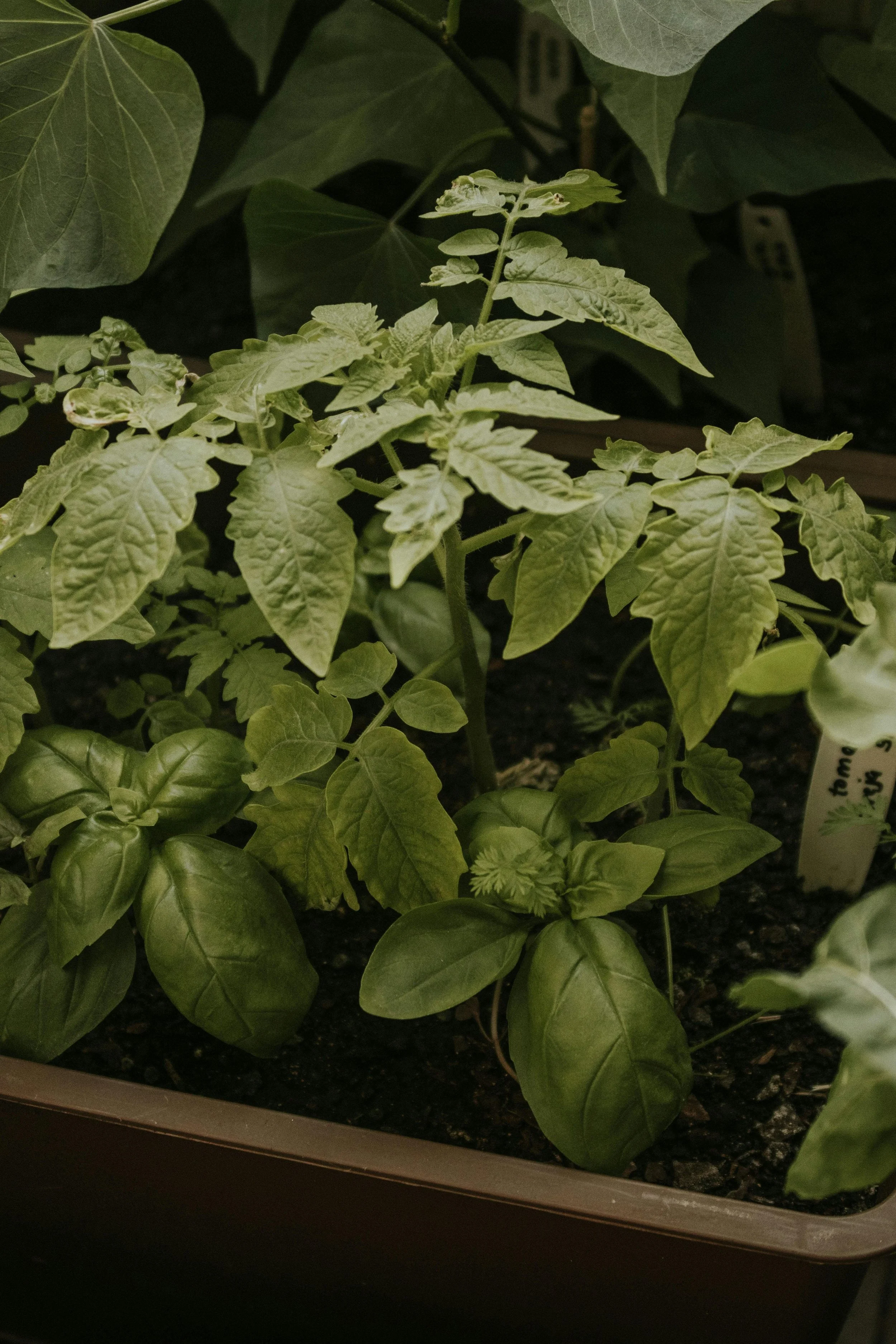
Tomatoes + Basil
Perhaps the most famous pairing in the garden — and for good reason. Basil is believed to repel aphids, whiteflies, and tomato hornworm moths, while also improving the overall vigor of nearby tomatoes. Plus, you'll always have fresh basil for your caprese.
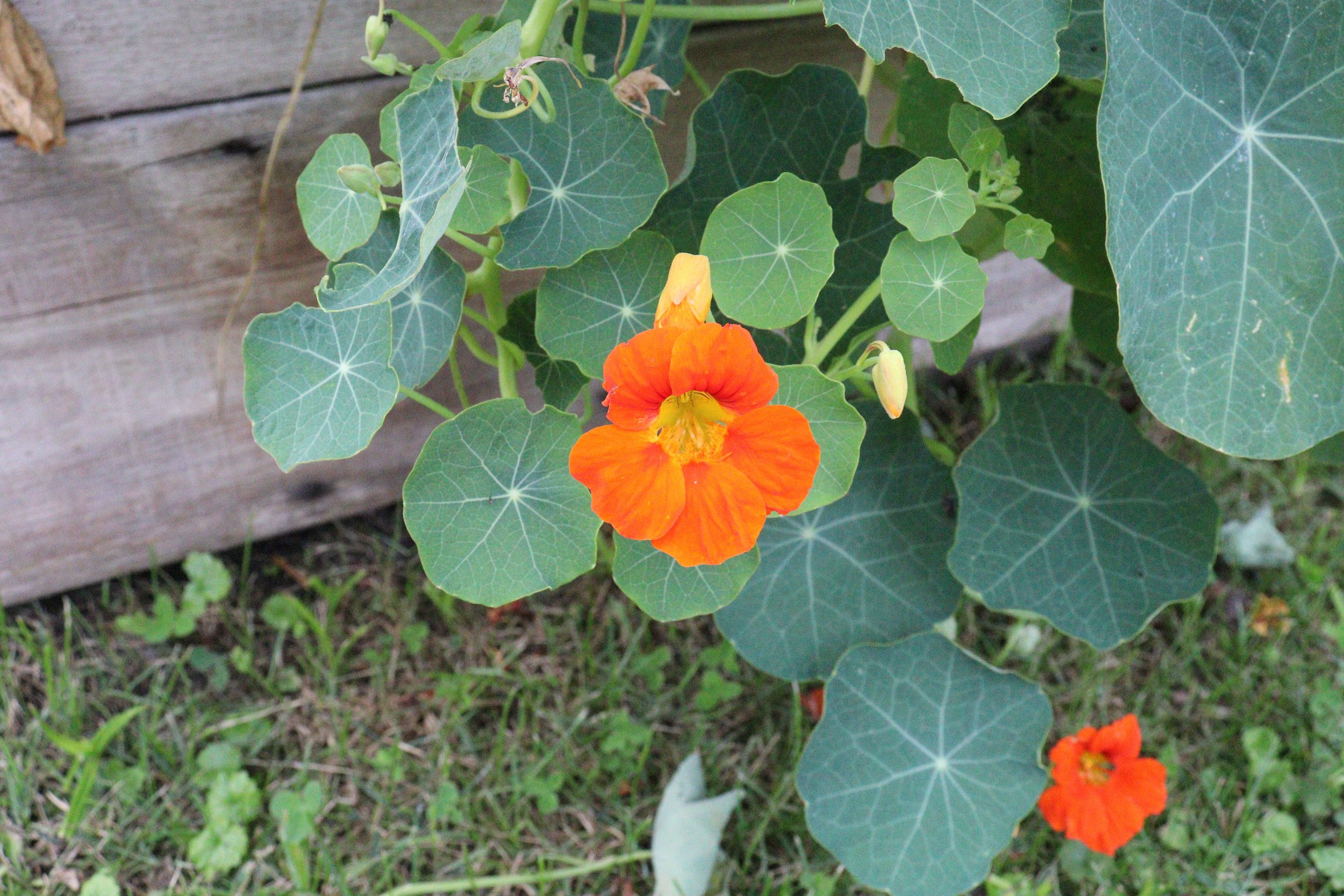
Brassicas + Nasturtiums
Nasturtiums are the ultimate companion for cabbage, broccoli, kale, and other brassicas. They act as a trap crop — aphids are so attracted to nasturtiums that they tend to colonize them instead of your vegetables. This makes it easy to spot and remove the pest pressure before it spreads.
Bonus: nasturtium flowers are edible and beautiful. They are my favorite flower!
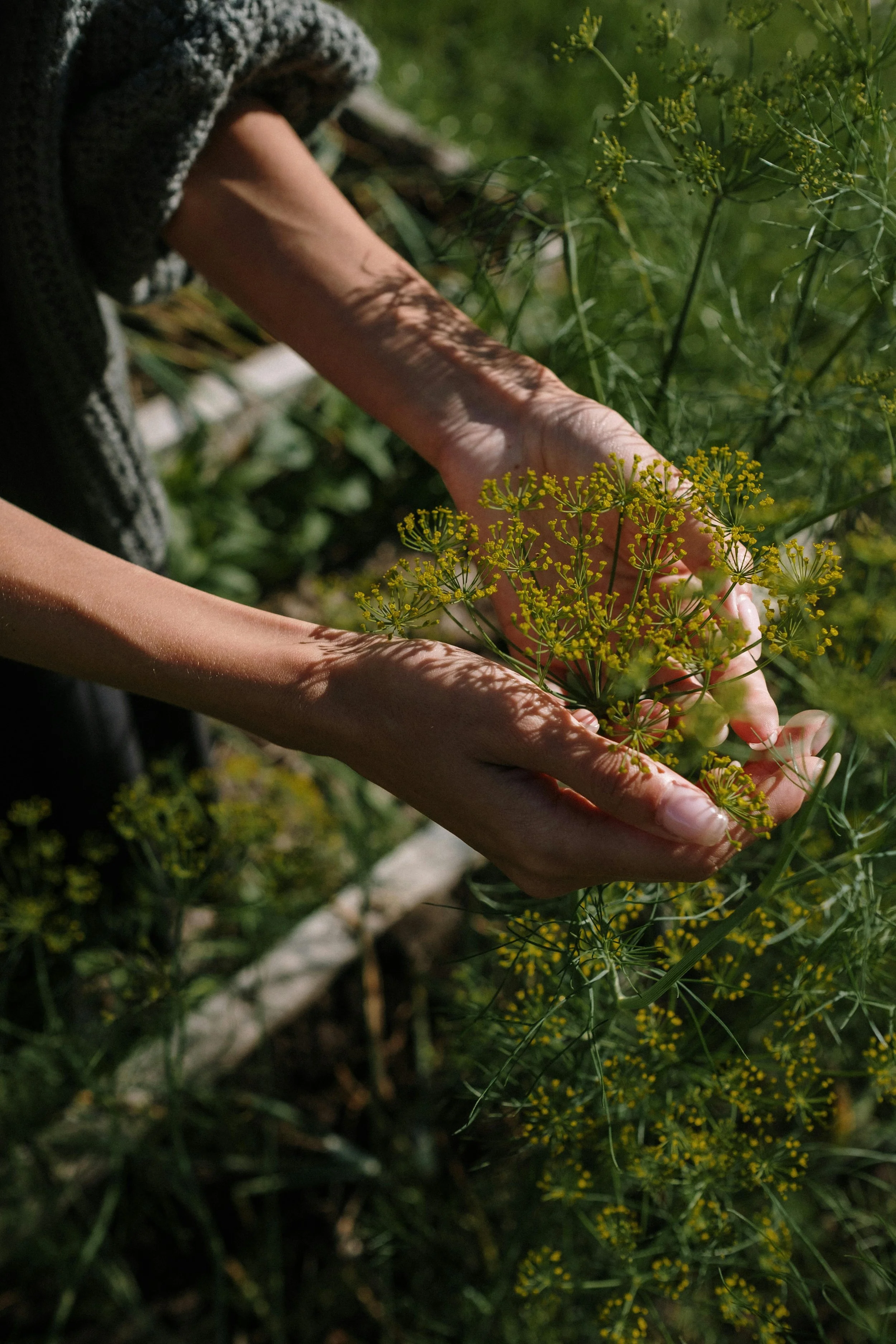
Cucumbers + Dill
Dill attracts predatory insects that feed on cucumber beetles and aphids. Just be careful not to let dill grow too close to tomatoes — they're not the best neighbors once the dill matures.
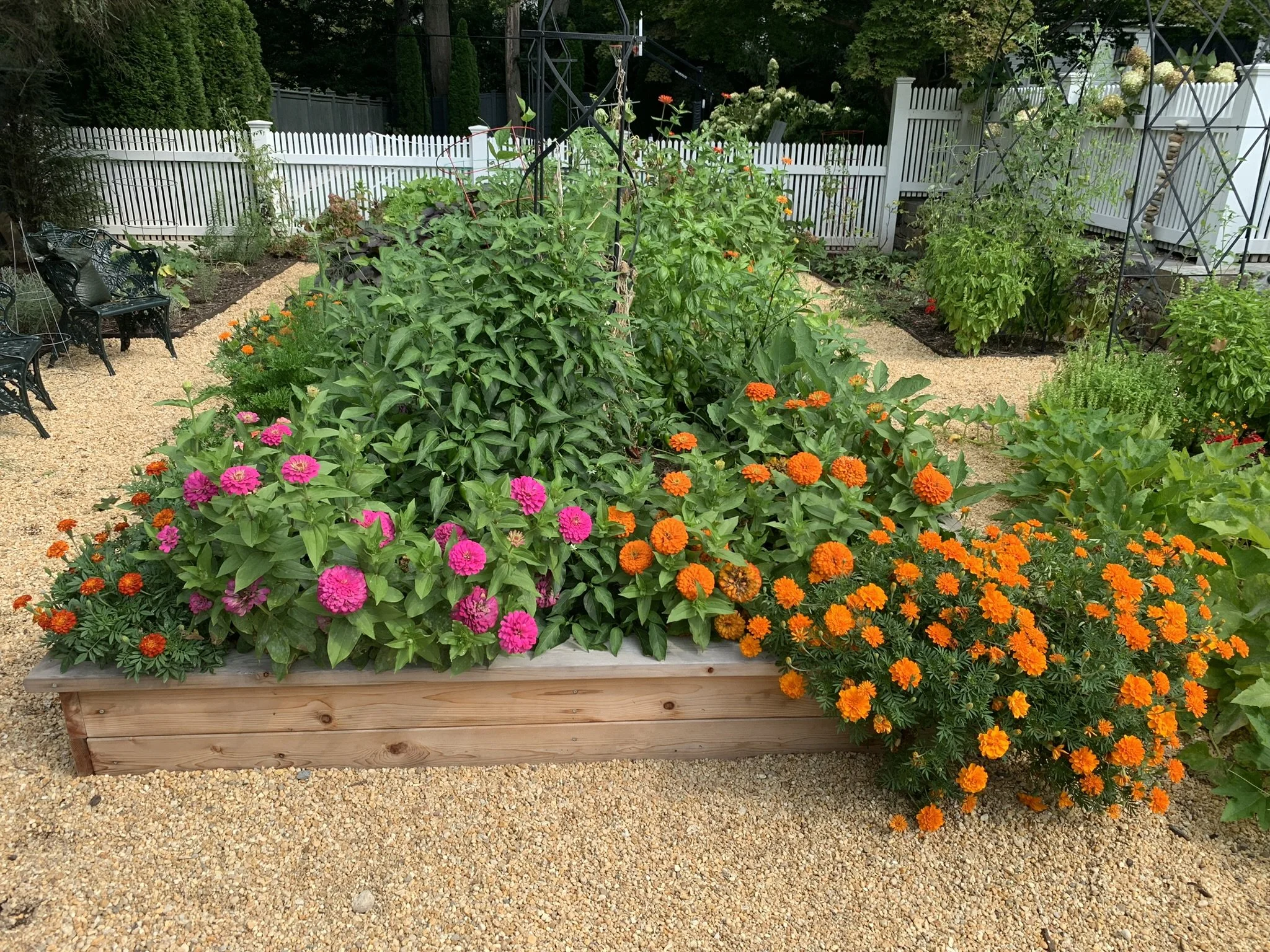
Peppers + Marigolds
French marigolds (Tagetes patula) are a powerhouse companion plant. Their roots release a substance that deters nematodes in the soil, and their strong scent confuses and repels a wide range of above-ground pests. Plant them as a border around your pepper bed and throughout your raised beds generally.
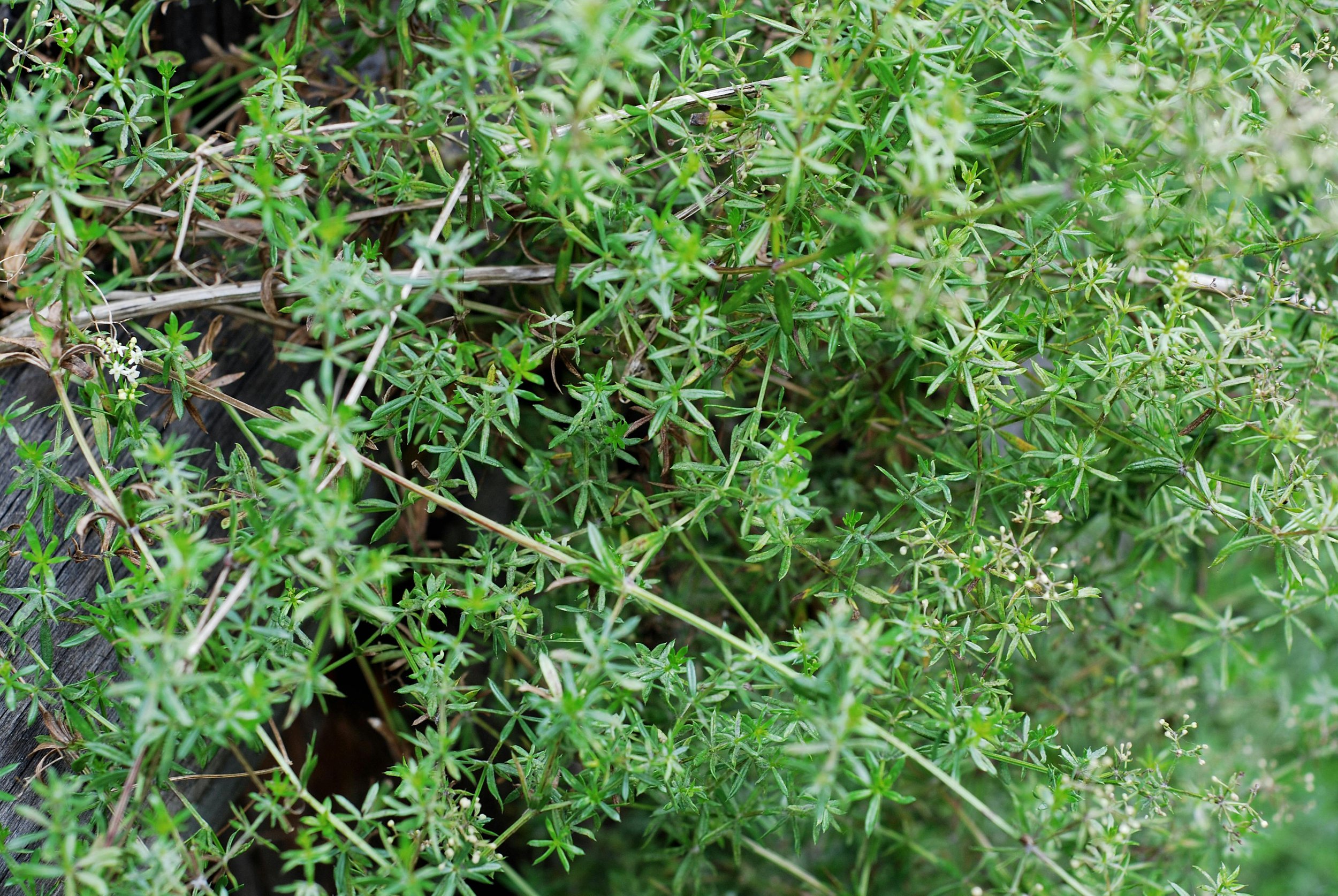
Beans + Summer Savory
Summer savory is a lesser-known herb that deters bean beetles and is said to improve the flavor of beans grown nearby. It's a simple pairing that packs a real punch.
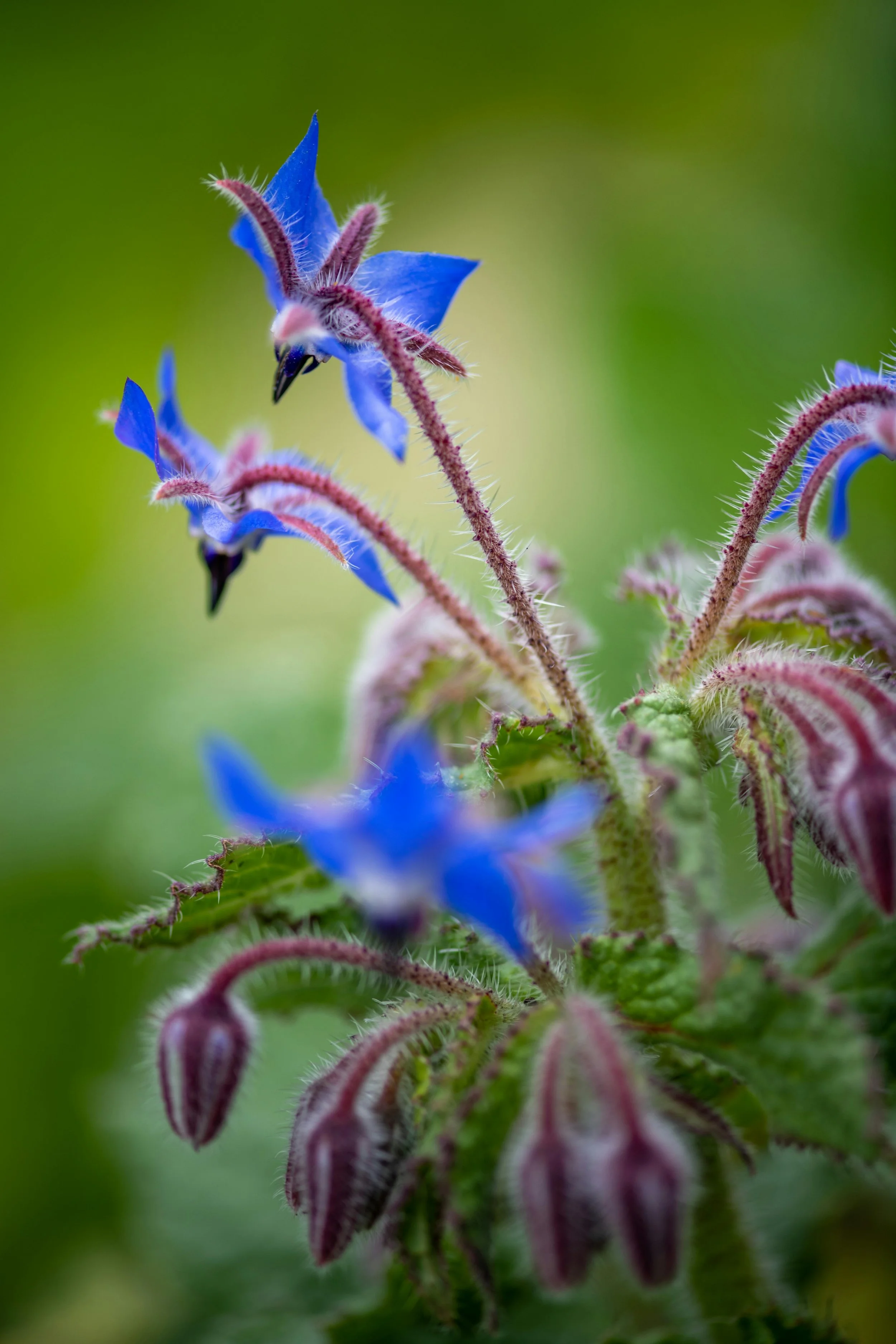
Squash + Borage
Borage is one of the most beneficial companion plants in the garden. It deters tomato hornworms and cabbage worms, attracts pollinators with its beautiful star-shaped flowers, and — as a bonus — the flowers are edible. Plant it near squash and zucchini to support pollination and deter pests simultaneously.
What Doesn't Work (And Why It Matters)
Companion planting is powerful, but it's not magic — and knowing the incompatible pairings is just as important as knowing the beneficial ones.
Fennel is notoriously difficult to companion plant. It inhibits the growth of most vegetables and herbs when planted nearby and is best grown in its own dedicated spot or in a container.
Onions and garlic are generally incompatible with beans and peas — they can inhibit legume growth. However, they work beautifully alongside most other vegetables and are excellent pest deterrents in their own right.
Understanding both sides of the equation is what transforms companion planting from a random act of hope into a genuinely intentional garden design strategy.
Building a Companion Planted Raised Bed
So how do you actually put this into practice? Here's a simple framework for thinking through companion planting in your raised beds:
Start with your anchor crops — the main vegetables you want to grow (tomatoes, cucumbers, peppers, brassicas, squash). These are your priority plants.
Next, identify pest deterrents for each anchor crop and tuck them in close — basil with tomatoes, marigolds around peppers, nasturtiums near brassicas.
Then add beneficial insect attractors — dill, fennel (in its own spot), borage, and cilantro allowed to flower — at the edges of your beds or in dedicated pockets throughout the garden.
Finally, consider trap crops like nasturtiums that you can use strategically to pull pest pressure away from your main crops. This layered approach turns your raised bed into a functioning ecosystem rather than a monoculture — and a functioning ecosystem is a resilient one.
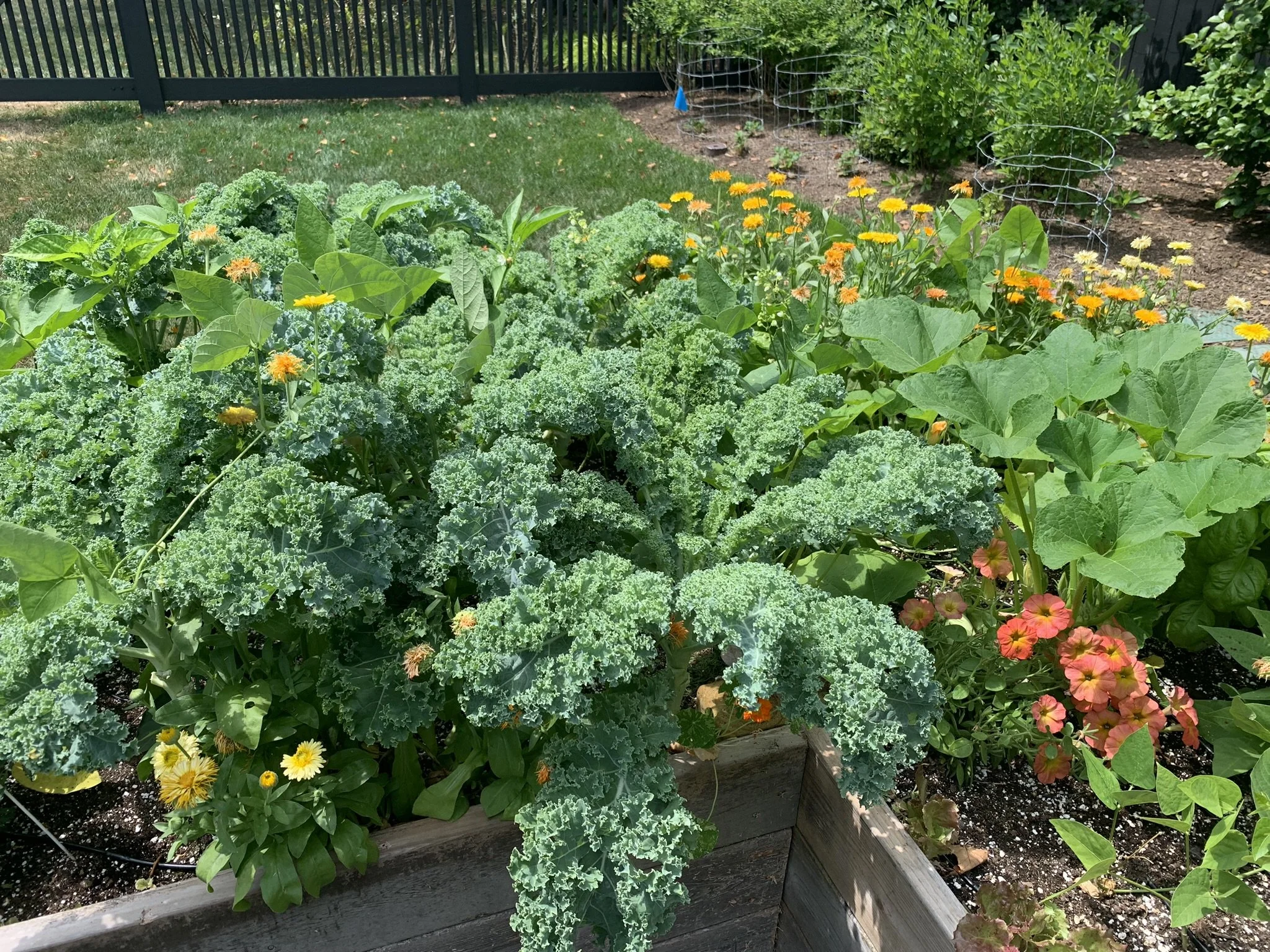
My Client's Garden, One Season Later
I checked in with her at the end of the growing season. Her beds had been full of basil, marigolds, nasturtiums, and borage woven between her vegetables. She'd had some pest pressure — every garden does — but nothing that had required intervention beyond hand-picking and a few targeted sprays of water. "I feel like my garden is actually working with me now," she said.
That's exactly it. That's the whole point. Companion planting isn't about eliminating every pest. It's about creating balance — a garden that supports itself, attracts allies, and reduces the conditions that allow pests to take over in the first place.
Want to Go Deeper?
If companion planting has captured your imagination, I have exciting news. I'm currently writing Green Harmony: The Science and Magic of Plant Partnerships — a companion planting guide designed specifically for beginner and intermediate gardeners who want to understand not just what to plant together, but why it works. It's the book I wished I'd had when I started, and it's coming soon.
In the meantime, if you're ready to design a raised bed that works smarter this season, my Garden Coaching services are here to help you build a planting plan with companion planting built right in. And the Homegrown Guild is always open — a community of gardeners who are figuring this out together, one bed at a time.
Your garden is ready to work with you. Let's build something that works