How to keep your garden going without burning out
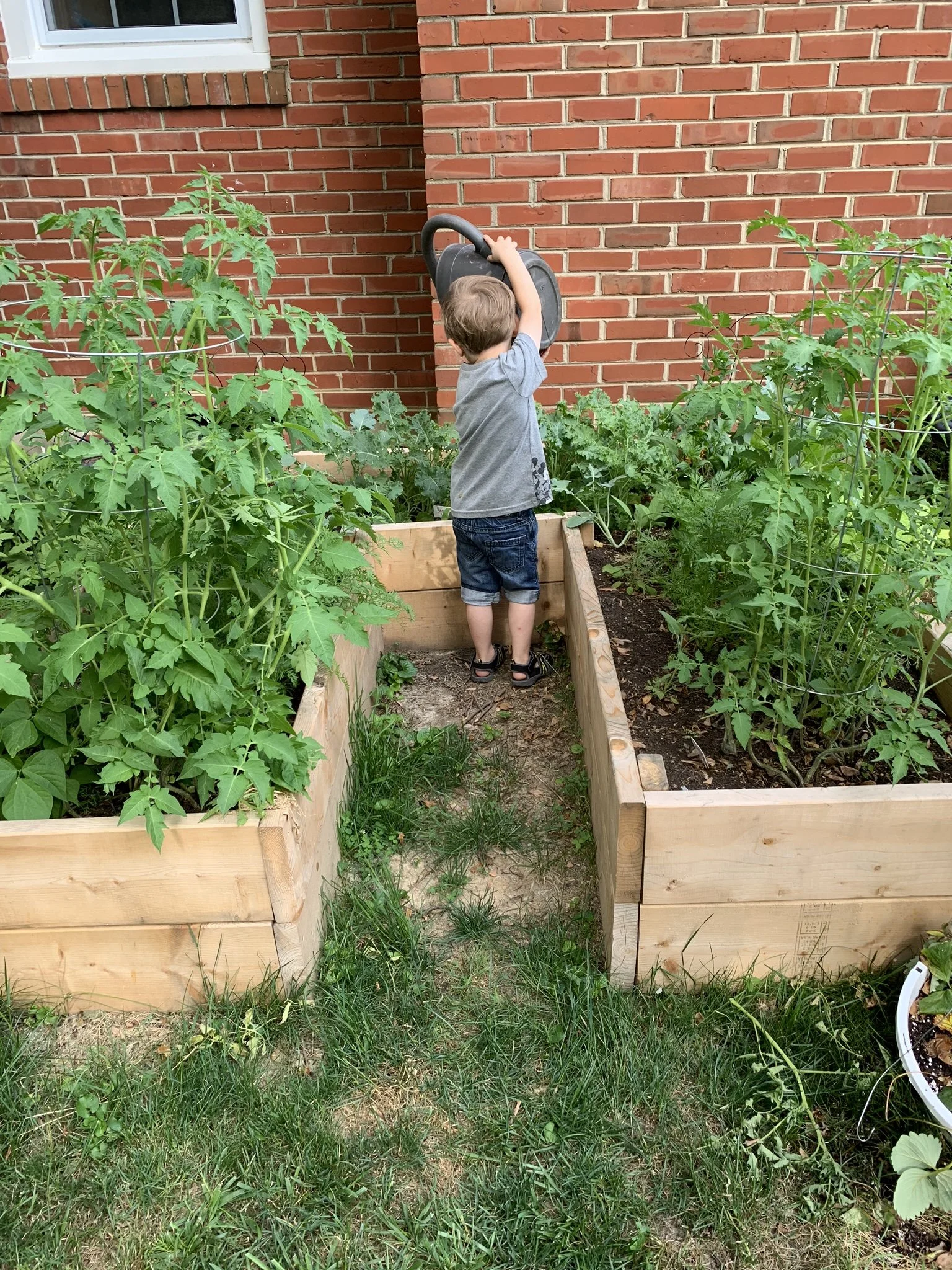
When I first started gardening, I had one little keyhole garden.
That was it.
One raised bed tucked into the yard with just enough room for a few tomatoes, herbs, and greens. At the time, it felt enormous. I remember standing in front of it wondering how people possibly managed larger gardens. Watering alone felt like an event. Harvesting felt exciting but overwhelming. Every pest looked catastrophic.
My first little garden
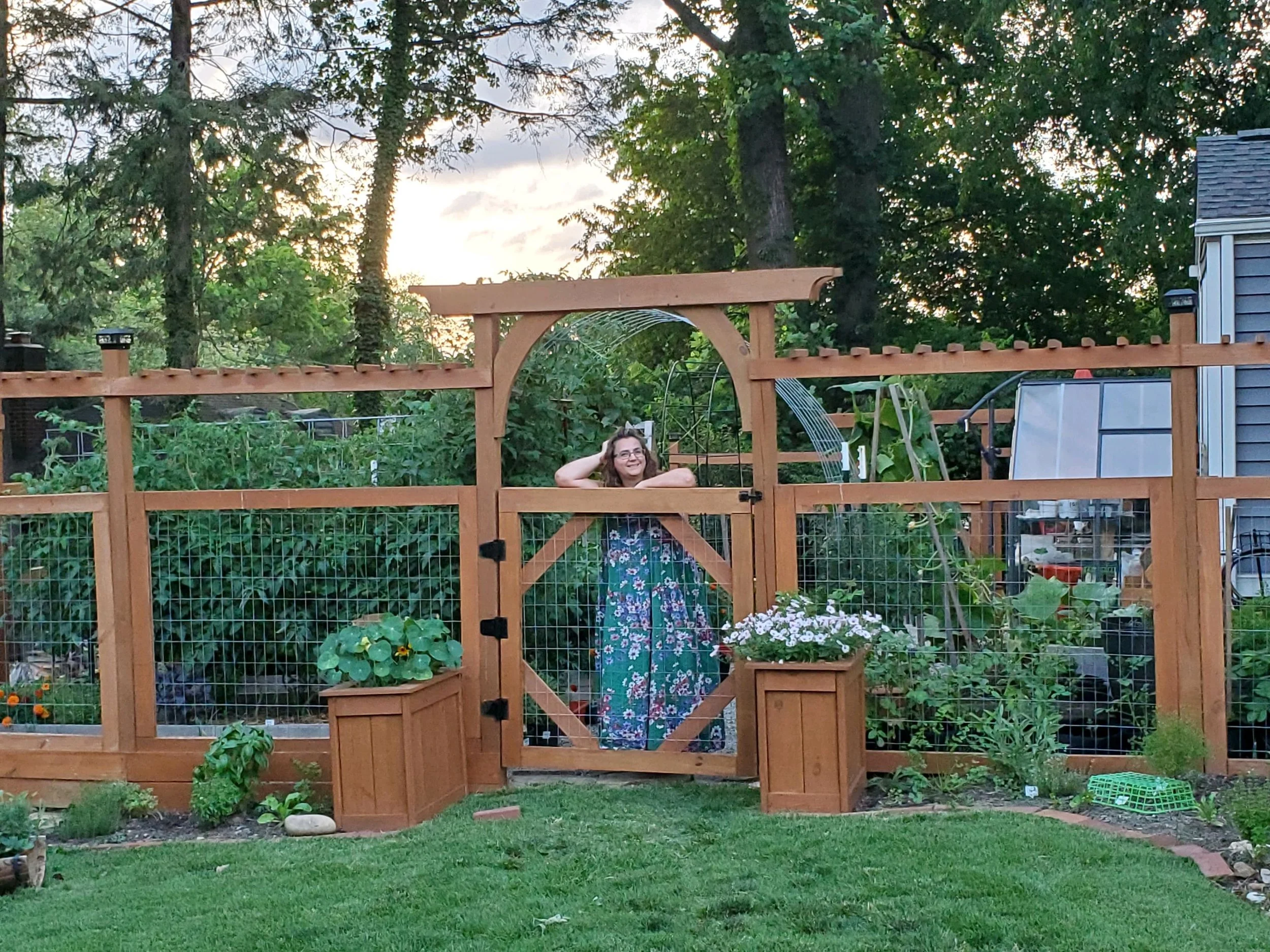
Fast forward many years, and now my garden stretches roughly 45 feet by 45 feet.
And honestly? If I had started with a garden this size, I probably would have quit gardening entirely.
That’s the truth most gardeners don’t talk about enough.
Gardens are meant to grow with us.
The reason I love gardening today is not because it became less work. It’s because over time, the maintenance itself became part of my therapy. The watering, pruning, harvesting, and even the quiet observation of the plants shifted from feeling like chores into moments that grounded me. But that transformation didn’t happen overnight. It happened because I learned something incredibly important: a healthy garden should support your life, not consume it.
And when we design our gardens with balance in mind, the garden becomes less of a responsibility and more of a sanctuary.
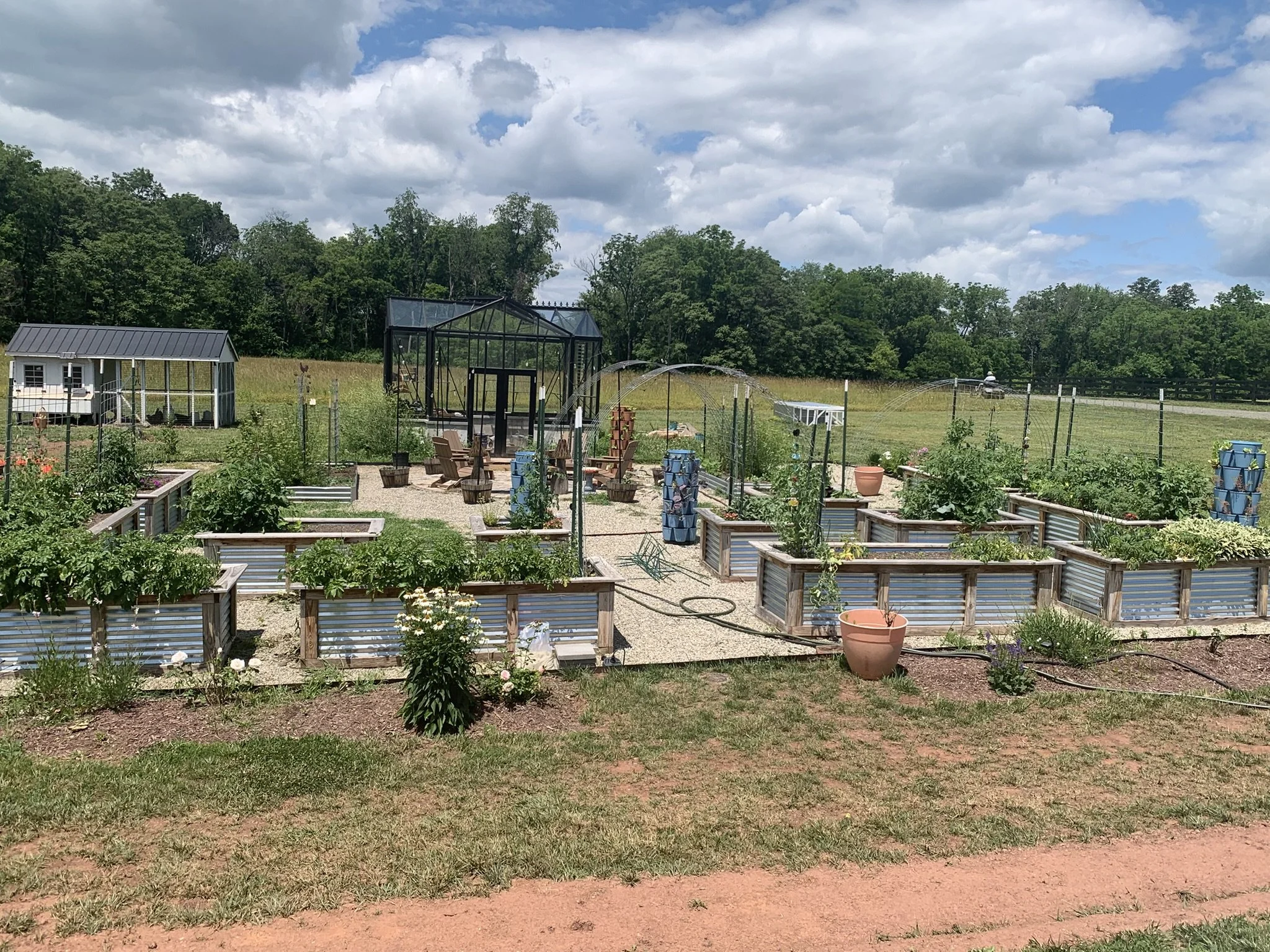
Can you tell I’m still building my pollinator garden?
Tending It All Without Feeling Like You’re Failing
One of the fastest ways gardeners burn out is by feeling like they’re constantly behind. I know I can feel that way, especially when it’s around planting time. There’s always another weed to pull. Another plant to prune. Another pest to monitor. Another crop ready to harvest.
And during peak summer? It can feel relentless.
The problem is that many gardeners unknowingly create systems that require constant intervention. Large empty spaces invite weeds. Poor spacing increases disease pressure. Overplanting without a plan creates chaos. And suddenly the garden begins demanding energy instead of giving it back.
This is why thoughtful garden design matters so much.
When plants are grouped intentionally, the garden begins working more naturally. Dense planting shades the soil and reduces weeds. Companion planting helps balance pests. Mulch retains moisture and reduces watering frequency. Vertical growing improves airflow and keeps harvesting manageable.
Little by little, the workload softens.
The goal isn’t to eliminate maintenance altogether. Gardens are living systems and living systems require care. But care should feel rhythmic, not frantic. One of the biggest mindset shifts that helped me was understanding that gardens are never truly “finished.” You are not behind. You are participating in an ongoing seasonal cycle.
That shift alone can remove an enormous amount of pressure.
Gardening Is Good for Us—If We Let It Be
Science continues to confirm what gardeners have known for generations: gardening is deeply beneficial for our mental health.
Gardening lowers cortisol levels, reduces anxiety, improves mood, and even supports cognitive health. Exposure to sunlight helps regulate circadian rhythms and increases vitamin D levels. Contact with soil microbes has even been linked to serotonin production, which plays a major role in mood regulation. But perhaps the greatest benefit is that gardening reconnects us to slower rhythms.
In the garden, growth takes time. Seasons matter. Observation matters. Patience matters.
That slowing down is powerful in a world where almost everything else moves too fast. The problem comes when we turn gardening into another overwhelming productivity project. If every moment in the garden becomes a checklist, we lose the very thing that makes gardening healing in the first place.
Your garden should not stress you out.
It should steady you.
That doesn’t mean every season will be perfect or easy. It simply means we must leave room for enjoyment alongside responsibility.
Succession Planting Without Overcomplicating It
Succession planting is one of the smartest ways to keep a garden productive without creating massive bursts of overwhelming work all at once.
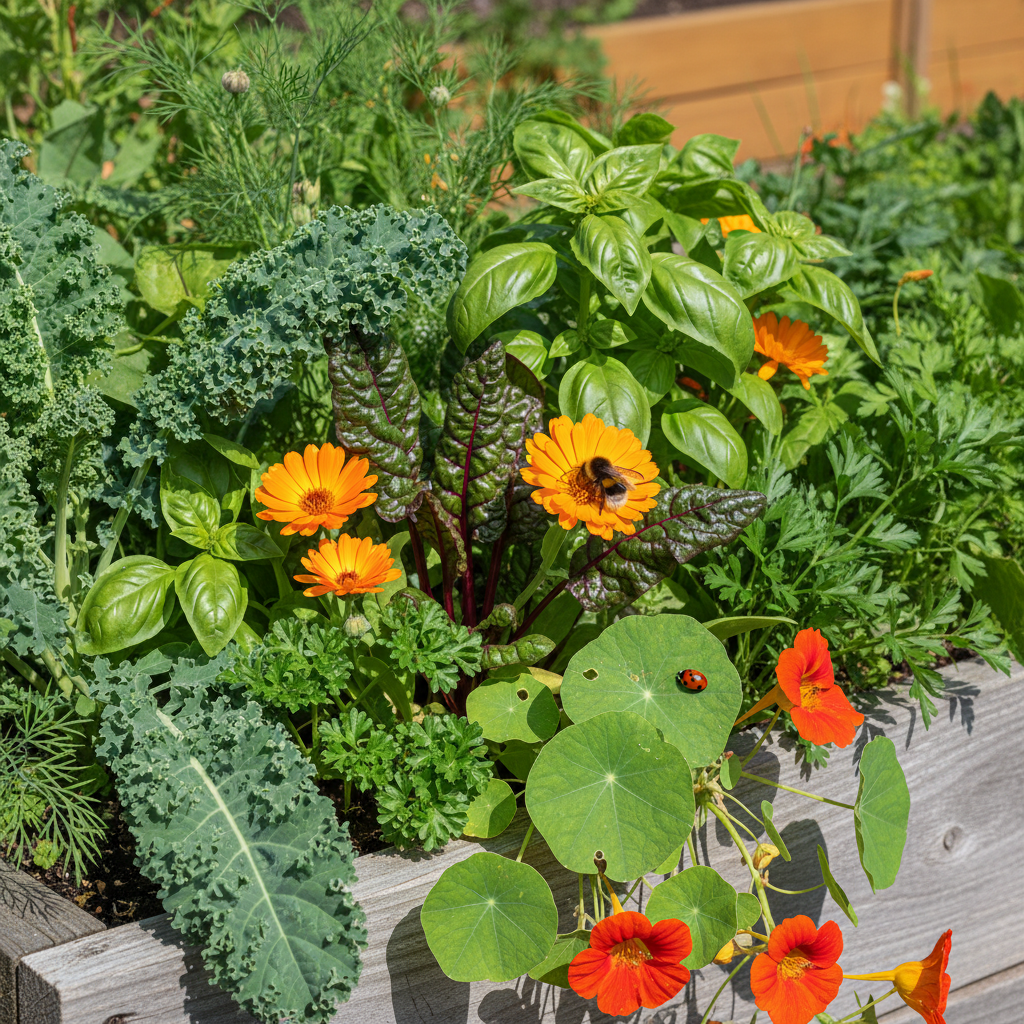
At its simplest, succession planting means staggering crops so everything doesn’t mature at the same time.
Instead of planting twenty heads of lettuce in one weekend, you might plant five every two weeks. Instead of sowing all your radishes at once, you plant small amounts steadily through the season
This creates manageable harvests instead of overwhelming ones. It also keeps the garden feeling active and balanced. Empty spaces are quickly replanted. Soil stays protected. Productivity stretches across the season rather than peaking all at once.
The key is keeping succession planting simple.
You do not need complicated spreadsheets or elaborate calendars to begin. Start with quick-growing crops like lettuce, spinach, radishes, arugula, and bush beans. Keep a small notebook or simple garden map and jot down planting dates as you go. And perhaps most importantly: give yourself permission to miss a succession. Every planting does not need to happen perfectly on schedule.
Gardens are forgiving.
Make Time to Enjoy the Garden, Not Just Work It
This may be the most important lesson of all.
You need to spend time in your garden that is not productive.

Sit in the chair.
Drink your coffee outside.
Watch the pollinators move through the flowers.
Walk the beds in the evening without carrying tools.
So many gardeners accidentally turn their gardens into work zones instead of restorative spaces.
But gardens are sensory experiences. The rustle of leaves in the wind. The smell of tomato vines in summer heat. The sound of bees moving between flowers. The warmth of the soil under your hands. These moments matter.
In fact, I would argue they are the entire point.
One of the reasons I love intensive planting and companion planting so much is because they create gardens that feel immersive. The beds become lush and layered. Flowers weave between vegetables. Herbs release fragrance when brushed against.
The garden becomes somewhere you want to linger. For those of you who know, I linger. And when we enjoy our gardens regularly, maintenance stops feeling so heavy because our relationship with the space changes. We’re no longer only taking care of the garden. The garden is taking care of us too.
Start Smaller Than You Think You Should
If there is one thing I wish every beginner gardener understood, it’s this:
Start smaller than you think you need.
A small successful garden builds confidence. An oversized stressful garden builds guilt. It is far better to deeply enjoy two raised beds than resent twelve. Your garden can always grow later. Mine certainly did. What began as one keyhole bed slowly evolved over many years into the larger space I care for today. But it grew alongside my skills, my systems, and my lifestyle. That pacing matters. Because sustainable gardening isn’t about growing the biggest garden possible. It’s about growing a garden you can consistently care for without losing your joy in the process.
Let the Garden Support You Too
Gardening should never feel like punishment. Yes, gardens require effort. They require observation, maintenance, and responsibility. But when approached thoughtfully, they also give something extraordinary back to us.
They calm us.
Ground us.
Slow us down.
Reconnect us to seasons, sunlight, and ourselves.
The key is balance.
Start small. Build slowly. Use succession planting to spread out the workload. Design your space intentionally. And most importantly, make time to actually enjoy the garden you’re working so hard to grow. Because when we balance responsibility with enjoyment, the garden stops feeling like another obligation.
It becomes a sanctuary.