The Season of Rest: Why Your Garden (and You) Need Winter Downtime
There’s a hush that falls over my garden every December, a gentle invitation to slow down, breathe deeply, and let go of the constant push for productivity. For so many of us, winter is the season we resist: the beds are bare, the air is cold, and the to-do list shrinks to almost nothing. (That is unless it’s kid related and then it increases) But what if this quiet time is exactly what we and our gardens need most?
The Gift of Stillness
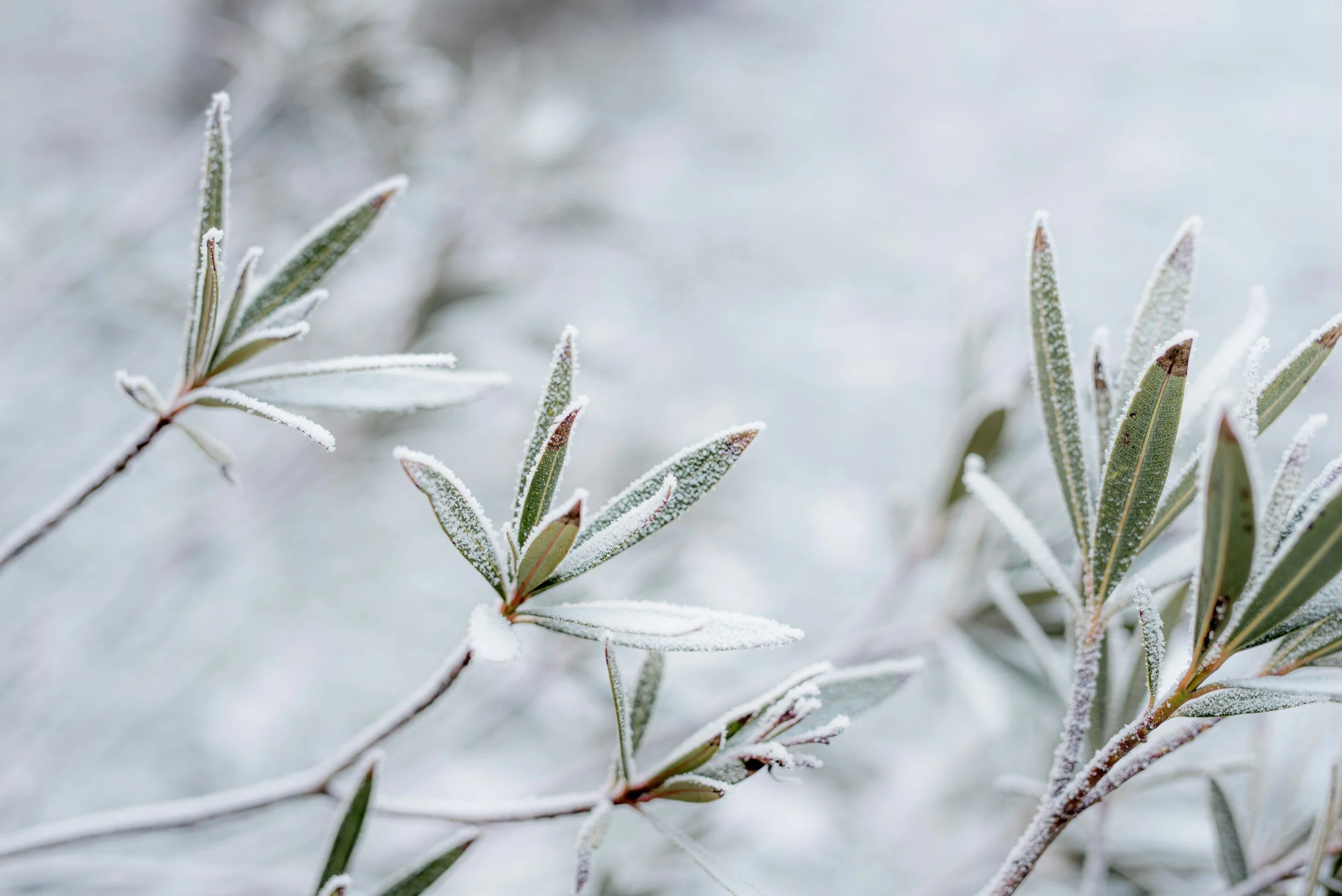
On the first truly cold morning of December, I bundle up in my thickest sweater, wrap my hands around a steaming mug of coffee, and step out into the garden. The world is silent except for the crunch of frost beneath my boots. My raised beds, once bursting with color and life, now rest beneath a thin blanket of mulch. There’s a kind of beauty in the simplicity, a reminder that not every season is meant for growth.
I stand for a moment, letting the cold air wake me up. My breath curls in the morning light, and I feel the quiet settle into my bones. This is the pause my heart has been craving. The garden, as always, is my greatest teacher. It reminds me that rest isn’t laziness, it’s wisdom.
Nature doesn’t fight the season of rest; it leans in. Roots dig deeper, soil life slows, and energy is quietly stored for the burst of spring. The soil beneath my feet is alive with microbes breaking down organic matter, building fertility for the future. Perennials and trees slip into dormancy, their buds tucked tight against the cold. Even the weeds take a break.
For gardeners, winter is a rare gift, a chance to step back, reflect, and let our bodies and minds recover from months of tending, weeding, and harvesting. It’s a time to remember that we are part of nature’s rhythms, not separate from them. When we rest, we’re not falling behind. We’re storing up energy for the next season’s abundance.
The Science of Dormancy
I love the science of winter. Dormancy isn’t just a pause; it’s an active process. Plants slow their metabolism, conserve water, and redirect their resources to roots and seeds. Soil organisms break down last season’s leaves and stems, creating the nutrients that will fuel next spring’s growth. Even the cold itself is necessary, some seeds require a period of freezing temperatures to germinate.
The garden’s rest is a strategy for survival, resilience, and renewal. It’s a lesson I try to bring into my own life, especially when the world feels like it’s demanding constant motion.
Rituals for Restoration
My favorite winter rituals are simple and restorative. I start a new garden journal each January, filling the first pages with reflections on the past year, what worked, what didn’t, and what surprised me.
I take slow walks through the sleeping beds, noticing the shapes of bare branches and the quiet beauty of frost. Sometimes, I do nothing at all, just breathe, rest, and let my mind drift. I’ve learned to trust that these quiet moments are as necessary as any day spent planting or harvesting.
Here are a few ways you can embrace the season of rest:
Start a winter garden journal or reflection notebook. Jot down memories, dreams, and lessons learned.
Light a candle or make a cup of herbal tea as a daily ritual of warmth and care.
Spend a few minutes outside, simply observing your garden’s winter form, the patterns of branches, the sparkle of frost, the stillness.
Allow yourself to nap, read, or enjoy creative hobbies without guilt.
Try a restorative yoga pose or a mindful breathing exercise to help your body settle into rest.
Give yourself permission to pause. It’s easy to feel restless in winter, especially when the world around us celebrates busyness. But just as the garden needs downtime to thrive, so do we. Rest is an act of trust, trust that renewal will come, that growth happens in its own time, and that we are enough, even in stillness.

The truth is, winter is not a gap in the action. It’s a vital part of the cycle. The best gardens and gardeners are made not just in the growing, but in the resting, too.
I’ll admit, I sometimes struggle with the quiet. There’s an itch to fill the silence with planning, cleaning, or scrolling through seed catalogs. But the longer I garden, the more I appreciate the emotional gifts of winter. There’s time to process the year’s triumphs and disappointments, to grieve what didn’t grow, and to celebrate what did.
Winter is a season of acceptance. It’s a chance to forgive ourselves for mistakes, to let go of perfectionism, and to remember that every garden, like every gardener, needs time to heal.
Family Rituals and Rest

In my house, winter rest is a family affair. We gather around the table for slow meals to share stories. My kids help me make herbal tea blends, crush our chicken eggs, and sometimes we bundle up for a short walk to see how the beds are doing. These gentle routines bring us together and remind us that rest is something to be celebrated, not endured.
We’ve created our own winter traditions, solstice walks, gratitude lists, and cozy afternoons spent dreaming about next year’s garden. These rituals are as nourishing as any summer harvest.
Resting is preparation for what is to come. It is not the end of the story. It’s the beginning of something new. As the weeks pass, I notice the days slowly lengthening, the light returning, and the first signs of life stirring beneath the mulch. The garden’s rest is preparing it for the wild rush of spring.
I find hope in this cycle. Winter downtime isn’t just about stopping; it’s about preparing, dreaming, and building the resilience we’ll need for the next season. When I honor this rest—in my garden and in myself—I’m better able to meet whatever comes next with energy and joy.
So this season, I invite you to join me in embracing winter’s pause. Let your garden (and your spirit) rest deeply. Savor the quiet, honor your need for restoration, and remember: the best gardens (and gardeners) are made not just in the growing, but in the resting, too.
What’s your favorite winter ritual for rest and renewal? Share your story or tip, or simply give yourself permission to pause, right now.